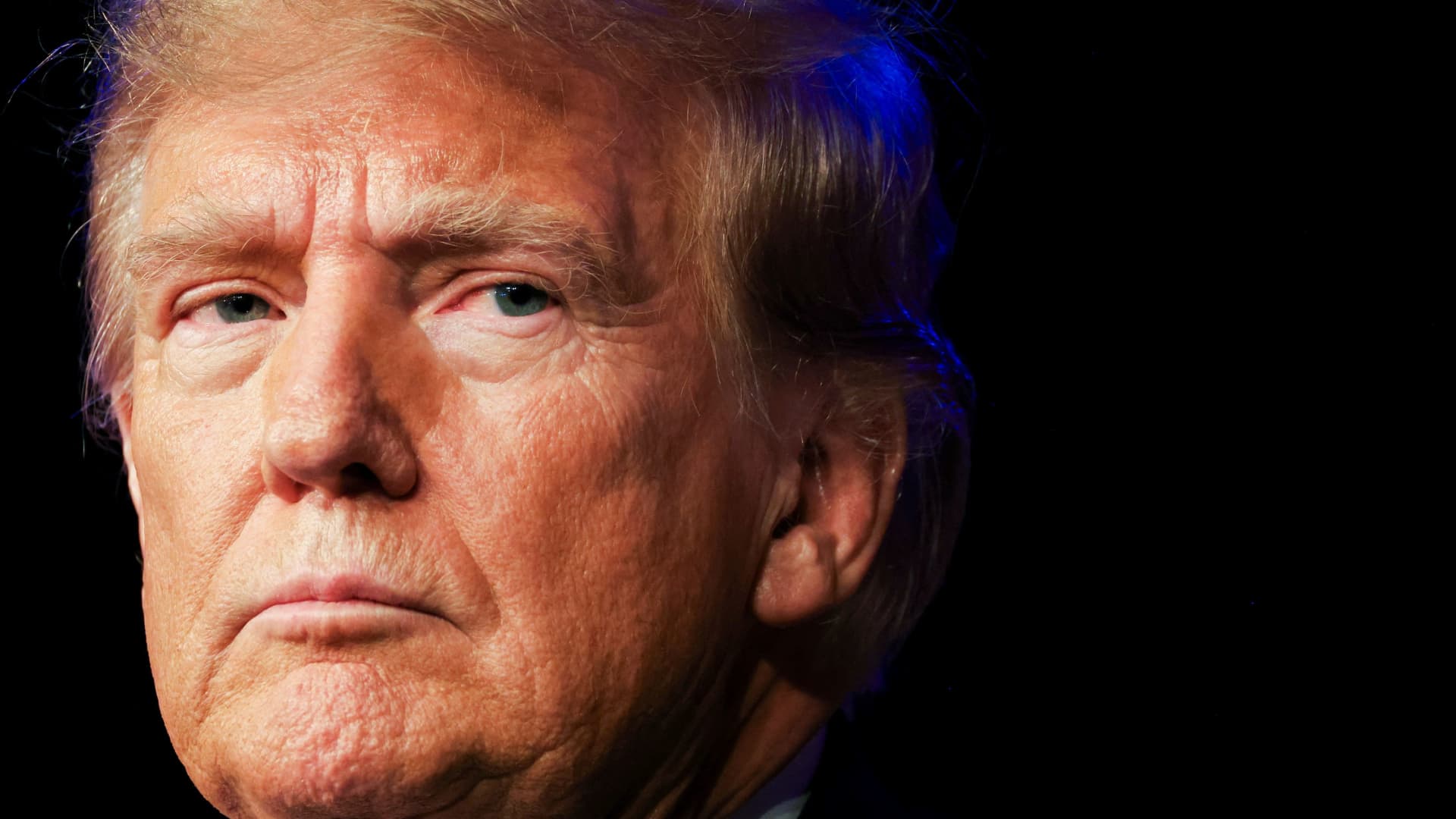
The Digital Rift: Unpacking the Tumultuous Feud Between Zuckerberg and Trump
In the vast expanse of the internet, few controversies have captured the attention of the global digital landscape quite like the contentious relationship between Mark Zuckerberg, CEO of Meta Platforms, and Donald Trump, the 45th President of the United States. The tumultuous feud between these two prominent figures has sparked heated debates, prompted spirited discussions, and left an indelible mark on the world of social media. In this comprehensive analysis, we will delve into the complex and multifaceted dynamics of the Zuckerberg-Trump feud, exploring its historical roots, key events, and underlying motivations.
The roots of this high-profile rivalry can be traced back to the 2016 presidential election, when Trump's candidacy and subsequent rise to power created a perfect storm of tension between the social media giant and the incoming administration. Zuckerberg's social media platforms, particularly Facebook, were scrutinized for their alleged role in spreading misinformation and influencing the election outcome. This led to a series of public spats and private dealings between the two men, as Trump lashed out at Zuckerberg for perceived biases and Zuckerberg pushed back against Trump's attempts to censor online content.
The Presidential Tweets: A Timeline of Tensions
Trump's aggressive approach to online engagement often involves unleashing a barrage of tweets targeting Zuckerberg and Meta Platforms. From accusations of anti-conservative bias to claims of meddling in the 2020 presidential election, Trump's tweets have frequently found their way onto the front pages of major news outlets. This on-again, off-again pattern of public insults has been both fuel for the fire and a reminder that, despite their seemingly intractable differences, Zuckerberg and Trump are still bound by a complex web of institutional and personal relationships.
Twitter Feuds and the Rise of Social Media Critics
In recent years, social media critics have emerged as key players in the Zuckerberg-Trump saga. These critics, often comprised of liberal pundits, activists, and researchers, have sought to expose the darker aspects of social media and the undue influence wielded by Meta Platforms. While some of these critics have unfairly maligned Zuckerberg's character and motives, others have contributed valuable insights into the digital underpinnings of this rivalry.
Why Social Media Matters: Understanding the Zuckerberg-Trump Feud
The stakes of this feud are not merely symbolic; they represent a fundamental clash between competing visions of the internet's role in modern society. Zuckerberg and Trump embody two divergent philosophies on social media's purpose and potential. For Zuckerberg, Meta Platforms represents a necessary tool for facilitating global connectivity, spreading knowledge, and promoting civic engagement. In contrast, Trump has often portrayed social media as a hub for spreading "fake news" and manipulating public opinion.
Deep Dives into Disinformation and its Impact
One of the core areas of contention between Zuckerberg and Trump concerns the handling of disinformation on social media platforms. Trump has frequently accused Zuckerberg of failing to prevent the spread of false information, often citing Russia's alleged interference in the 2016 election as a prime example. Zuckerberg, in turn, has pushed back against these claims, emphasizing the need for nuanced approaches to combating disinformation and counter-narratives.
While the Zuckerberg-Trump feud is often framed as a struggle between technology and politics, it also highlights the larger challenges of regulating online content and mitigating the harm caused by misinformation. To understand this complex issue, it's essential to delve into the science and sociology of disinformation, as well as the ways in which it can be addressed.
The Unyielding Critical Mass: Understanding Meta Platforms' Influence
Meta Platforms' influence is profound, with billions of users worldwide interacting with the company's platforms on a daily basis. This critical mass creates an environment in which information spreads rapidly and algorithmic priorities are shaped by a complex interplay of factors. Understanding the intricacies of Meta Platforms' operations is crucial to grasping the dynamics of the Zuckerberg-Trump feud and its implications for the broader digital landscape.
3 Key Factors Driving Meta Platforms' Rise
Several key factors have contributed to Meta Platforms' meteoric ascent, including:
- User acquisition and retention strategies
- Algorithmic innovation and evolution
- Investments in emerging technologies
Addressing Algorithmic Transparency and Bias
To unlock the full potential of social media platforms, it's essential to prioritize transparency and fairness in algorithmic decision-making processes. This entails implementing more comprehensive explanations for algorithmic decisions, providing users with actionable insights into how their content is being promoted or demoted, and continually monitoring and refining algorithms to prevent biases and ensure fairness.
Understanding the Policy Debates: Censorship, Content Moderation, and the Role of Government Regulation
The Zuckerberg-Trump feud has sparked intense debates about content moderation, censorship, and the role of government regulation in the digital sphere. While Trump has pushed for stricter regulations on social media platforms, Zuckerberg and Meta Platforms have emphasized the need for nuanced approaches to content moderation, emphasizing both the importance of protecting users from harm and the dangers of over-regulation.
Balancing Free Speech and Safety
As the online environment continues to evolve, finding a balance between free speech and safety is crucial. Social media platforms must navigate a complex landscape of competing interests, where competing values and loyalties vie for attention. To achieve this balance, platforms must implement robust moderation policies, invest in cutting-edge technology, and engage in open and transparent dialogue with users, policymakers, and other stakeholders.
The Aftershocks of the Feud: Assessing the Impact on Meta Platforms and Beyond
The far-reaching implications of the Zuckerberg-Trump feud extend far beyond the two men themselves, influencing not only Meta Platforms' public image but also the broader digital ecosystem. This article concludes by examining the aftershocks of this rivalry, assessing its impact on Meta Platforms, and exploring potential lessons
Recent Post
Unlocking The Secrets Of Menopause: Expert Insights On Navigating Life After 40 With Paolo Tantoco
Tensions Rise As Trump Officials Defend Tariffs Amid Market Volatility And Warnings For Savers And Retirees
Rosie O'Donnell Teases Trump Move, Posts Disruptive Selfie From Abroad
Wings For The Win: Capitals Edge Ducks 7-4 In Thrilling Matchup
Ducks Fall Short: Key Takeaways From Thrilling 7-4 Loss To Capitals
Article Recommendations
- Diddy: The Hip-Hop Mogul's Journey From The Bottom To The Top
- Dafne Keen: The Rising Hollywood Star And Her Breakthrough Roles
- Unveiling The Pillow Empire: My Pillow Net Worth Revealed