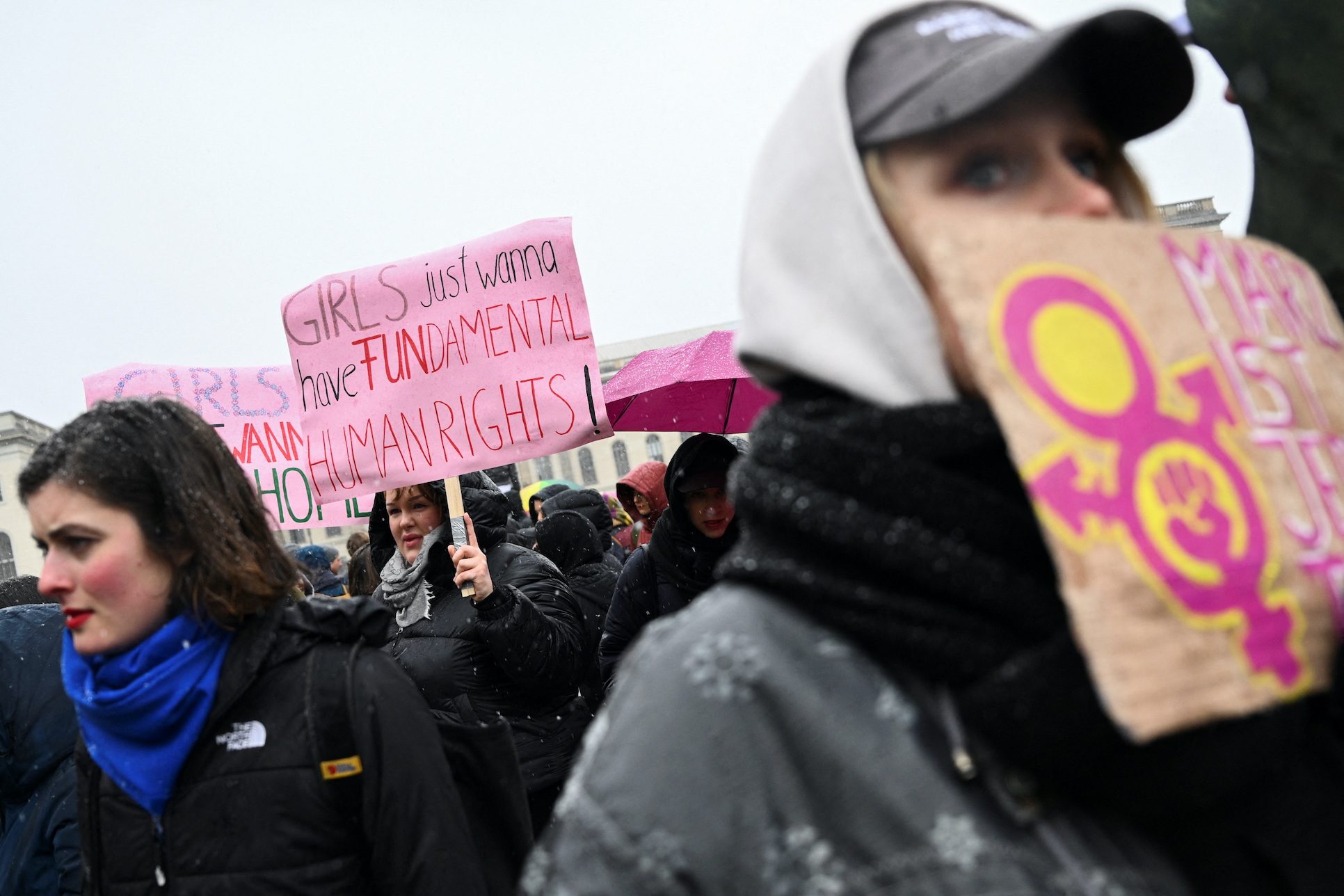
The Alarming Decline of Women's Rights: A Global Crisis
Women's rights have been a cornerstone of human progress for centuries, fighting for equality, justice, and empowerment. However, in recent years, the world has witnessed an unprecedented threat to these fundamental human rights. The erosion of women's rights is not just a local issue, but a global crisis that requires immediate attention and collective action. This article will delve into the current state of women's rights worldwide, highlighting the key challenges and obstacles that women face, and exploring potential solutions to address these issues.
The decline of women's rights is a complex and multifaceted phenomenon that affects various aspects of life, from education and employment to healthcare and social status. The root causes of this crisis are diverse and deeply ingrained, often reflecting deeply ingrained patriarchal attitudes and power structures. In many parts of the world, women continue to face significant barriers to accessing education, healthcare, and economic opportunities, limiting their ability to participate fully in society.
The Impact of COVID-19 on Women's Rights
The COVID-19 pandemic has had a disproportionate impact on women's rights, exacerbating existing inequalities and creating new challenges. Women have shouldered an unfair burden in the pandemic, caring for children, the elderly, and vulnerable relatives while also facing increased domestic violence, harassment, and exploitation. The loss of livelihoods and economic stability has left women more vulnerable to poverty, inequality, and social exclusion.
Many governments have responded to the pandemic by tightening labor laws, increasing working hours, and reducing social protections, further undermining women's rights. The consequences of these measures will be felt for years to come, as women are left to pick up the pieces and rebuild their lives.
The Rise of Hate Speech and Misogyny
Hate speech and misogyny have become increasingly prevalent in recent years, threatening women's rights and dignity. Online platforms and social media have become breeding grounds for hate speech, with women facing harassment, trolling, and cyberbullying on a daily basis. The normalization of hate speech has created a culture of fear and intimidation, silencing women's voices and preventing them from speaking out against injustice.
The consequences of hate speech and misogyny are far-reaching, perpetuating systemic inequalities and limiting women's access to education, employment, and social opportunities. It is essential that governments, policymakers, and civil society take decisive action to combat hate speech and misogyny, protecting women's rights and promoting a culture of respect and inclusivity.
The Role of Social Media in Promoting Women's Rights
Social media has become a powerful tool for promoting women's rights, providing a platform for women to share their stories, raise awareness, and mobilize action. However, social media has also been used to silence women's voices, perpetuate hate speech, and undermine women's rights.
To promote women's rights, social media companies must take responsibility for regulating hate speech, harassment, and misinformation. This requires implementing robust moderation policies, increasing transparency and accountability, and collaborating with civil society organizations to promote women's rights and dignity.
The Importance of Data-Driven Approaches
Data-driven approaches are critical to understanding the complexities of women's rights and identifying effective solutions. Governments, policymakers, and civil society must invest in data collection, analysis, and dissemination to track progress, monitor trends, and evaluate the impact of policies and programs.
By leveraging data and analytics, we can better understand the root causes of women's rights issues, identify areas of greatest need, and design targeted interventions to address these challenges. Data-driven approaches also enable us to measure the effectiveness of interventions, ensuring that resources are allocated efficiently and effectively.
The Need for Collective Action
The decline of women's rights is a global crisis that requires collective action. Governments, policymakers, civil society, and individuals must work together to address the root causes of women's rights issues, promote women's empowerment, and advance human rights.
To achieve this, we must prioritize women's rights and dignity, challenging patriarchal attitudes and power structures that perpetuate inequality and injustice. We must also support women's organizations, advocacy groups, and community initiatives, providing resources, funding, and technical assistance to help them amplify their voices and promote women's rights.
The Role of Education in Promoting Women's Rights
Education is critical to promoting women's rights, providing women with the knowledge, skills, and empowerment to participate fully in society. Women's education has been shown to have a multiplier effect, increasing girls' access to education, reducing poverty, and promoting economic growth.
Governments, policymakers, and civil society must prioritize women's education, investing in programs that provide quality education, increase access to education, and promote girls' empowerment. This requires addressing the root causes of women's lack of access to education, including poverty, inequality, and social exclusion.
The Impact of Violence Against Women
Violence against women is a pervasive problem that affects women's rights and dignity worldwide. The World Health Organization estimates that one in three women worldwide experiences physical or sexual violence in their lifetime, with women facing increased risk of violence in situations of conflict, poverty, and social inequality.
Governments, policymakers, and civil society must take decisive action to prevent violence against women, providing support services, increasing access to justice, and promoting a culture of respect and inclusivity. This requires addressing the root causes of violence, including patriarchal attitudes, social norms, and power imbalances.
The Role of Economic Empowerment in Promoting Women's Rights
Economic empowerment is critical to promoting women's rights, providing women with the economic independence to participate fully in society. Women's economic empowerment has been shown to have a multiplier effect, increasing girls' access to education, reducing poverty, and promoting economic growth.
Governments, policymakers, and civil society must prioritize women's economic empowerment, investing in programs that provide economic opportunities, increase access to finance, and promote women's entrepreneurship. This requires addressing the
Recent Post
Unlocking The Secrets Of Menopause: Expert Insights On Navigating Life After 40 With Paolo Tantoco
Tensions Rise As Trump Officials Defend Tariffs Amid Market Volatility And Warnings For Savers And Retirees
Rosie O'Donnell Teases Trump Move, Posts Disruptive Selfie From Abroad
Wings For The Win: Capitals Edge Ducks 7-4 In Thrilling Matchup
Ducks Fall Short: Key Takeaways From Thrilling 7-4 Loss To Capitals
Article Recommendations
- Meet Janice Nichole Rivera: Social Media Marketing Trailblazer And Thought Leader
- Tony Hinchcliff: Unveiling The Stand-Up Star's Marital Status
- Unleash Your SEO Dominance: Track Competitors Like A Hawk With Seopetitor's Rank Tracker


