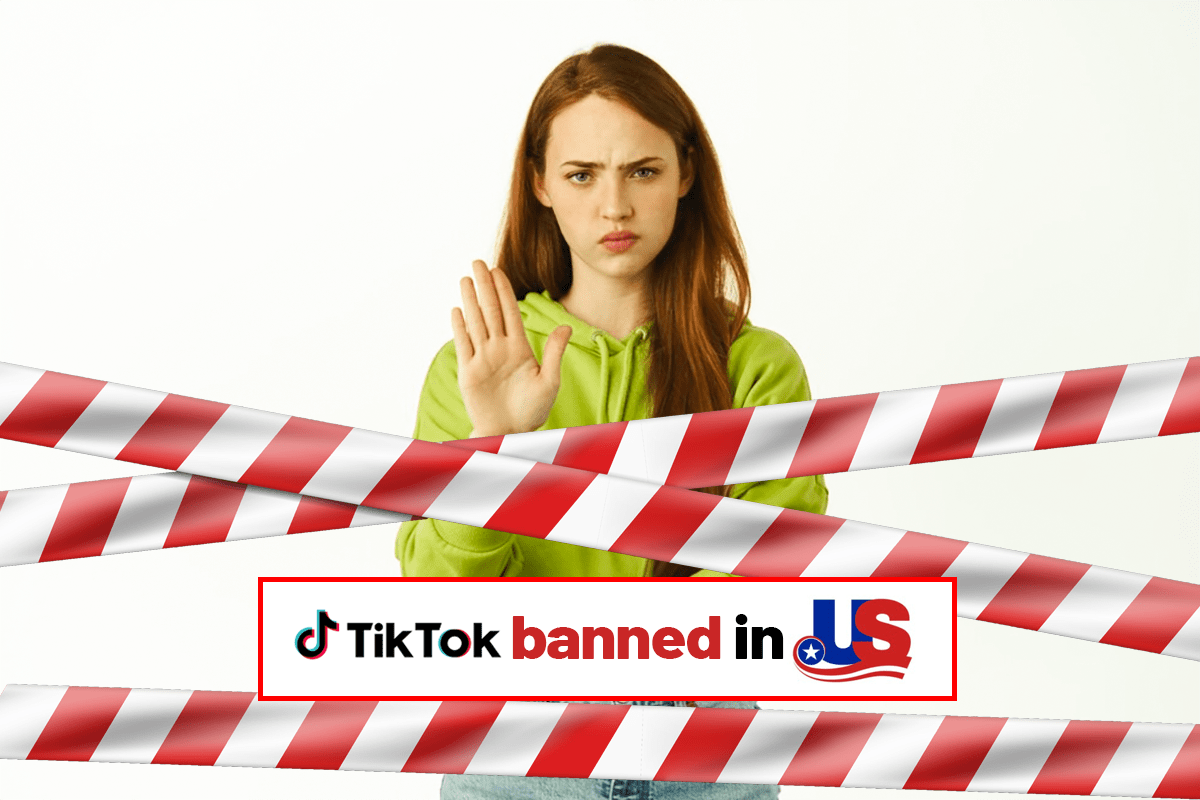
The Global Phenomenon that Shook the World: The Full Story of Why TikTok Was Banned
In the vast expanse of the digital landscape, few platforms have captured the imagination of the world quite like TikTok. This short-form video-sharing app, launched in China in 2016, has grown exponentially in popularity over the past few years, transcending geographical and cultural boundaries to become a global phenomenon. However, its meteoric rise has not been without controversy. In 2022, TikTok faced widespread bans in several countries, sparking a global debate about its role in spreading misinformation, promoting nationalism, and compromising national security. In this article, we'll delve into the full story of why TikTok was banned, exploring the events, issues, and controversies that led to this significant turning point.
The Rise of TikTok: A Platform that Redefined Viral Content
TikTok's rise to fame was nothing short of remarkable. The app's algorithm-driven "For You" page, which showcased short, bite-sized videos, proved to be a recipe for success. Users from all over the world flocked to the platform, creating and sharing content that was often humorous, entertaining, or thought-provoking. The app's focus on community engagement, allowing users to interact with each other through comments and hashtags, further fueled its growth. By 2020, TikTok had become the fastest-growing social media platform in history, with over a billion active users worldwide.
But as TikTok's popularity soared, concerns began to emerge about its impact on society. Some critics argued that the app was breeding a culture of toxicity, with users resorting to cyberbullying, harassment, and hate speech. Others raised concerns about the platform's moderation policies, which they claimed were inadequate in addressing issues related to online safety and security.
The Security Concerns: A Growing Source of Alarm
One of the primary reasons for TikTok's ban in several countries was its security vulnerabilities. In 2020, a report by the Committee on Foreign Investment in the United States (CFIUS) raised concerns about TikTok's ties to the Chinese government. The report claimed that ByteDance, TikTok's parent company, had shared user data with Chinese authorities, raising fears about the potential for censorship and espionage.
This concern was further exacerbated by a series of high-profile security breaches, including a 2020 incident in which hackers compromised the personal data of millions of TikTok users. The breach, which exposed sensitive information such as phone numbers, email addresses, and locations, led to widespread criticism of TikTok's security practices.
The Data Sharing Controversy: A Brewing Storm
The controversy surrounding TikTok's data sharing practices reached a boiling point in 2021, when it emerged that the app was collecting and sharing user data with Chinese authorities. The revelation sparked outrage among users and politicians, who claimed that TikTok was compromising user privacy and national security.
In response to the backlash, TikTok claimed that it was transparent about its data sharing practices and that it had robust safeguards in place to protect user data. However, the company's efforts to reassure users were met with skepticism, and the controversy surrounding its data sharing practices continued to simmer.
The Impact on Free Speech and Censorship
TikTok's ban in several countries was also motivated by concerns about its impact on free speech and censorship. Critics argued that the app was being used to promote nationalist sentiment and propaganda, with some users and politicians using the platform to spread hate speech and misinformation.
The Indian government's ban on TikTok in 2020, for example, was sparked by concerns about the app's role in promoting anti-India sentiment and nationalism. Similarly, the ban on TikTok in Pakistan was motivated by concerns about the app's spread of "un-Islamic" content and its potential to destabilize the country.
The Role of Governments and International Organizations
National Security Concerns
In the United States, the government's decision to ban TikTok was motivated by concerns about its national security. The Committee on Foreign Investment in the United States (CFIUS) had raised concerns about TikTok's ties to the Chinese government, citing the potential for censorship and espionage.
International Cooperation and Regulation
The ban on TikTok also highlighted the need for international cooperation and regulation. In response to the controversy, several countries, including the United States, Australia, and the United Kingdom, announced plans to regulate the social media industry and protect user data.
Emerging Issues and Challenges
The TikTok ban also raised new issues and challenges, including the potential for alternative platforms to emerge and the impact on small businesses and creators who rely on the app for advertising and revenue.
The Future of TikTok: A New Era of Regulation and Accountability
As the world continues to grapple with the implications of TikTok's ban, one thing is clear: the platform's future is uncertain. In response to the controversy, TikTok has announced plans to reorganize its corporate structure and establish new offices in the United States and Europe.
However, the future of TikTok also depends on the actions of governments and international organizations. Will regulatory bodies establish clear guidelines for social media platforms, or will they fail to address the growing concerns about online safety and security? Only time will tell.
Emerging Trends and Opportunities
The Rise of Alternative Platforms
The TikTok ban has also sparked the rise of alternative platforms, including YouTube Shorts, Instagram Reels, and Twitch. These platforms offer similar features to TikTok, but with varying levels of success.
The Impact on Small Businesses and Creators
The ban on TikTok has also had a significant impact on small businesses and creators who rely on the app for advertising and revenue. Will these users find alternative platforms, or will they be forced to abandon their content and careers?
The Story of Why TikTok Was Banned: A Complex and Multifaceted Issue
Recent Post
Unlocking The Secrets Of Menopause: Expert Insights On Navigating Life After 40 With Paolo Tantoco
Tensions Rise As Trump Officials Defend Tariffs Amid Market Volatility And Warnings For Savers And Retirees
Rosie O'Donnell Teases Trump Move, Posts Disruptive Selfie From Abroad
Wings For The Win: Capitals Edge Ducks 7-4 In Thrilling Matchup
Ducks Fall Short: Key Takeaways From Thrilling 7-4 Loss To Capitals
Article Recommendations
- Award-Winning Duo: Rami Malek And Portia Doubleday Team Up For Gripping Psychological Thriller
- Candy Mansoneath: The Unsolved Mystery Of The Candy Cane Killer
- Unveiling The Age Of Katiana Kay: Behind The Curtain Of A Rising Star