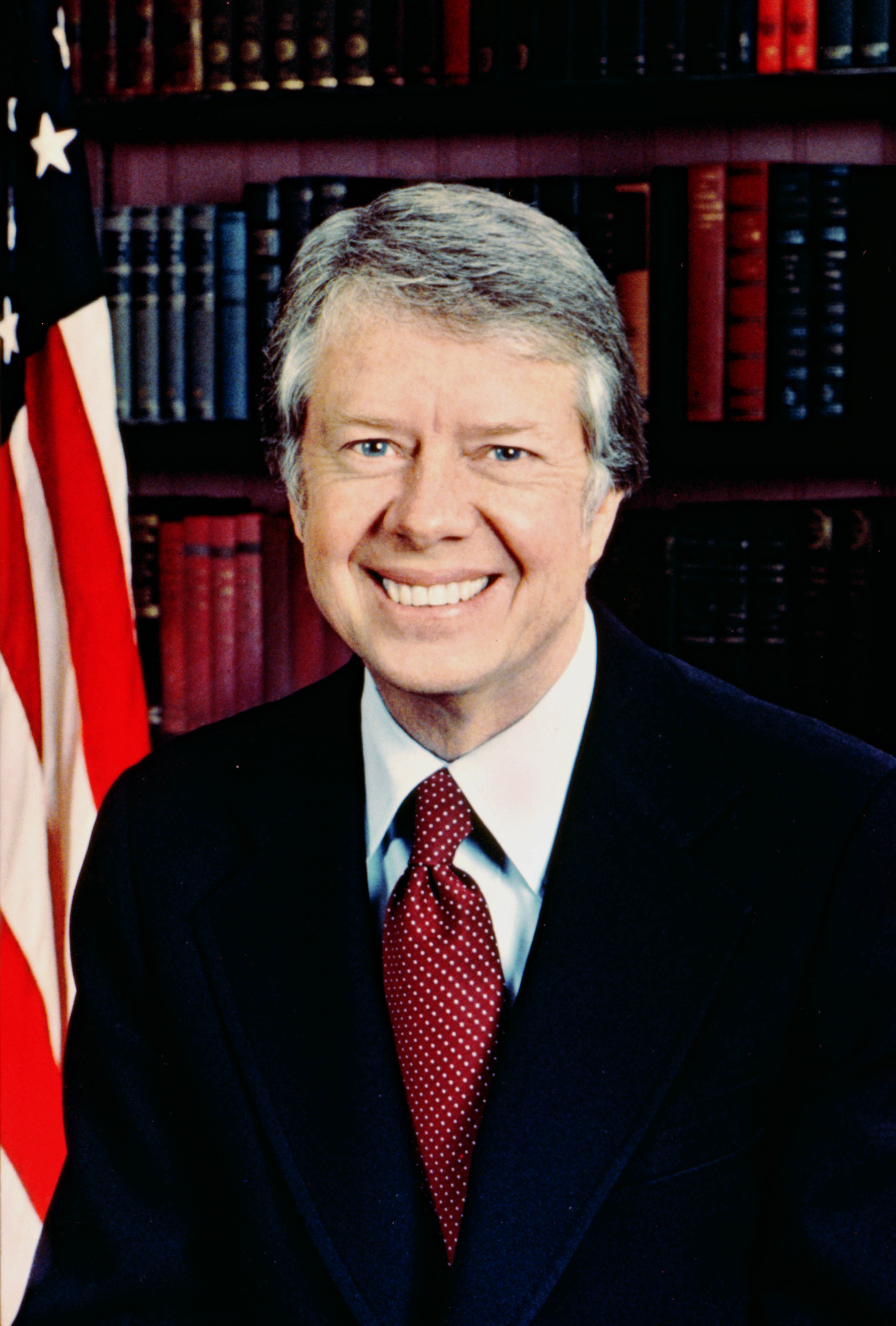
The Legacy of a Peaceful Leader: Remembering Jimmy Carter's Life of Service
Jimmy Carter, the 39th President of the United States, left an indelible mark on American history with his commitment to public service, human rights, and diplomacy. From his early days as a young naval officer to his post-presidency work as a humanitarian and Nobel laureate, Carter's life has been a testament to his unwavering dedication to the greater good. In this article, we will explore the life and legacy of Jimmy Carter, highlighting his achievements, challenges, and lasting impact on the world.
Jimmy Carter's early life and education played a significant role in shaping his future as a leader. Born on October 1, 1924, in Plains, Georgia, Carter grew up in a devoutly Christian family and was raised with strong values of compassion, humility, and public service. He attended the United States Naval Academy, graduating in 1946 and going on to serve in the Navy during the Korean War. After his military service, Carter returned to Georgia and began his career as a peanut farmer, a profession that would later influence his policy decisions.
The Rise to the Presidency
Carter's entry into politics was largely driven by his desire to serve his community and state. He was first elected to the Georgia State Senate in 1962 and later served as Governor of Georgia from 1971 to 1975. His experience in these roles helped him develop the skills and reputation necessary to secure the Democratic presidential nomination in 1976. Carter's campaign was marked by his focus on human rights, economic stagnation, and foreign policy issues, which resonated with many Americans.
Foreign Policy and Diplomacy
Jimmy Carter's foreign policy was characterized by his commitment to human rights, arms control, and diplomacy. He took a firm stance against apartheid in South Africa and supported the Israeli-Palestinian peace process. His administration also played a key role in brokering the Camp David Accords, a historic agreement between Israel and Egypt that led to a lasting peace in the region. However, Carter's diplomatic efforts were not without challenges, particularly with regards to the Iran hostage crisis, which ended his presidency.
The Iran Hostage Crisis
The Iran hostage crisis, which began in November 1979, was a major embarrassment for the Carter administration. Iranian students stormed the American embassy in Tehran, taking 52 American diplomats and citizens hostage. The crisis lasted for 444 days, straining relations between the United States and Iran. Carter's response was initially criticized as indecisive, but he ultimately took a firm stance against the hostage-takers, negotiating their release and ending the crisis.
Camp David Accords
The Camp David Accords were a major diplomatic achievement for Carter's administration. In September 1978, he invited Israeli Prime Minister Menachem Begin and Egyptian President Anwar El-Sadat to a summit at Camp David, Maryland. After weeks of tense negotiations, the two leaders reached a comprehensive agreement, which included a framework for peace in the Middle East. The Accords marked a significant turning point in the Israeli-Palestinian conflict and paved the way for future peace negotiations.
Post-Presidency and Humanitarian Work
After leaving office in 1981, Jimmy Carter remained active in public service, dedicating himself to humanitarian work and human rights advocacy. He founded the Carter Center, a non-profit organization that focuses on human rights, democracy, and global health. The Center has played a significant role in election monitoring, disease eradication, and conflict resolution around the world.
Human Rights and Democracy
Carter's commitment to human rights and democracy has been a hallmark of his post-presidency work. He has advocated for the rights of marginalized communities, including the poor, women, and minorities. The Carter Center has worked tirelessly to promote democracy and human rights in countries around the world, from Haiti to Afghanistan.
The Carter Center's Work
The Carter Center has a wide range of programs and initiatives, including:
- Election monitoring and observation
- Disease eradication and prevention
- Conflict resolution and peacebuilding
- Human rights advocacy and research
- Healthcare and medical research
Nobel Peace Prize
In 2002, Jimmy Carter was awarded the Nobel Peace Prize for his decades of work promoting peace, human rights, and economic development. The prize recognized his efforts to promote democracy and human rights around the world, as well as his commitment to conflict resolution and peacebuilding.
Conclusion
Jimmy Carter's life and legacy serve as a powerful reminder of the importance of public service, human rights, and diplomacy. From his early days as a young naval officer to his post-presidency work as a humanitarian and Nobel laureate, Carter has remained committed to the greater good. His achievements and challenges provide valuable lessons for future generations of leaders, and his work continues to inspire people around the world.
A Lasting Impact
Jimmy Carter's impact on American history and the world is immeasurable. His commitment to human rights, democracy, and diplomacy has inspired countless people, from world leaders to ordinary citizens. His legacy serves as a reminder that even in the face of adversity, courage, compassion, and determination can lead to lasting change.
Reflections on a Life of Service
As we reflect on Jimmy Carter's life and legacy, we are reminded of the power of public service and the importance of staying true to one's values. Carter's story is a testament to the impact that one person can have on the world, and a reminder that leadership is not just about power and position, but about serving others and making a difference.
A Final Message
As we remember Jimmy Carter's life and legacy, we are reminded of the importance of continuing his work. We can draw inspiration from his commitment to human rights, democracy, and diplomacy, and strive to make a positive difference in our own communities and the world at
Recent Post
Unlocking The Secrets Of Menopause: Expert Insights On Navigating Life After 40 With Paolo Tantoco
Tensions Rise As Trump Officials Defend Tariffs Amid Market Volatility And Warnings For Savers And Retirees
Rosie O'Donnell Teases Trump Move, Posts Disruptive Selfie From Abroad
Wings For The Win: Capitals Edge Ducks 7-4 In Thrilling Matchup
Ducks Fall Short: Key Takeaways From Thrilling 7-4 Loss To Capitals
Article Recommendations
- Lori Greiner's Incredible Journey To Shark Tank Success: Behind The Scenes With The Queen Of QVC
- Unveiling Dingdongantes Heights: A Pinnacle Of Nature And Adventure
- Unveiling The Dark Side: Crime And Karlanenio's Notorious Underbelly