BRICS: The Emerging Powerhouse Reshaping the Global Order
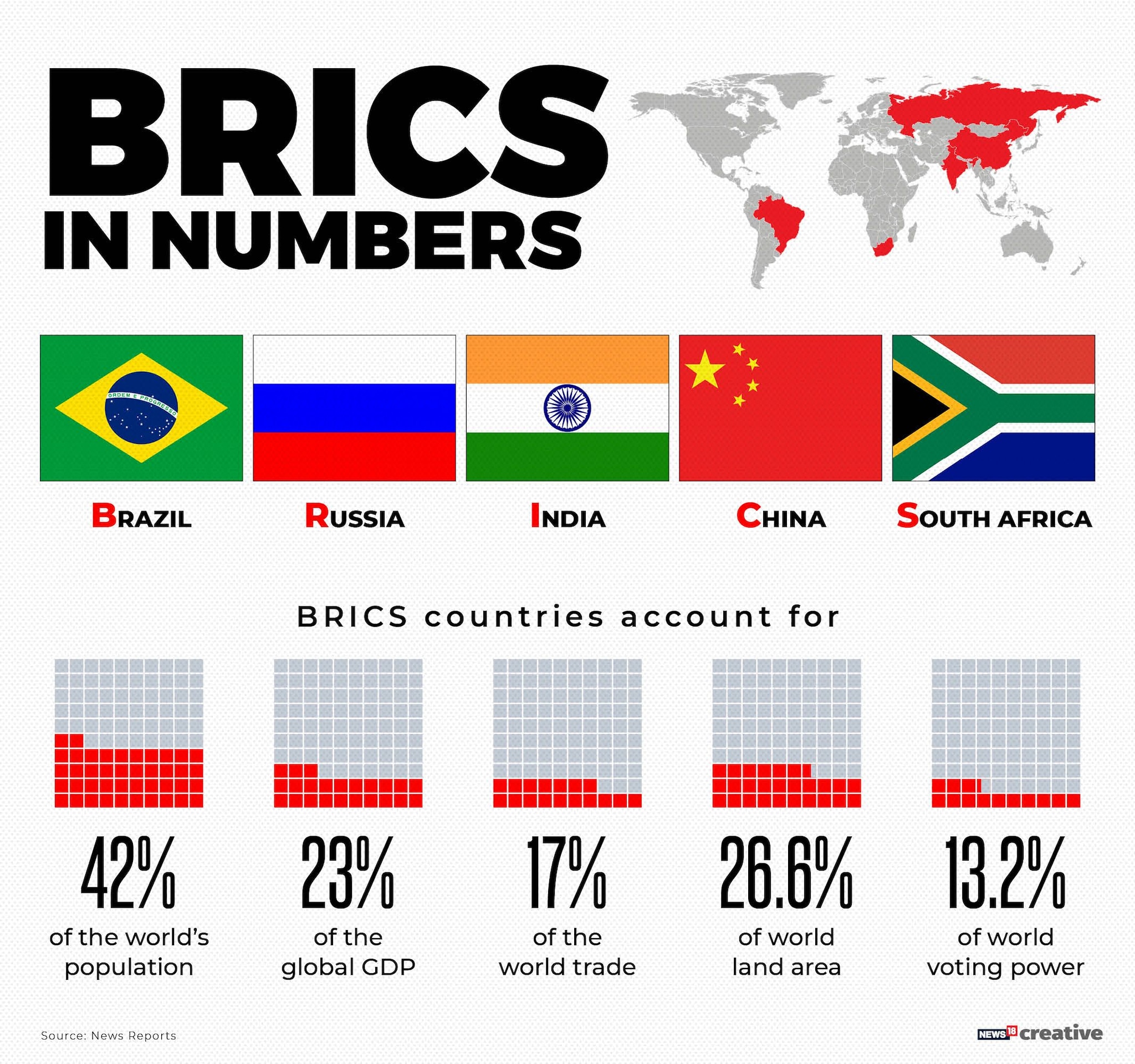
In the ever-changing landscape of global politics, economies, and power dynamics, one group of nations has emerged as a force to be reckoned with: the BRICS nations. Brazil, Russia, India, China, and South Africa, these five countries have collectively formed a formidable alliance that is redefining the global order. As the world grapples with the challenges of the 21st century, from economic inequality to climate change, the BRICS nations are poised to play a increasingly significant role in shaping the future of humanity.
The term BRICS was first coined in 2006, and since then, the group has undergone significant transformations. The five nations have worked together to promote economic cooperation, cultural exchange, and strategic collaboration. The BRICS Economic Council, established in 2014, has facilitated regular meetings among the leaders of the member states to discuss pressing global issues. Through their collective efforts, the BRICS nations have created a new paradigm for international relations, one that prioritizes cooperation, mutual respect, and collective progress.
The BRICS nations have a diverse range of economic and cultural profiles. Brazil, for example, is the largest economy in Latin America, with a thriving agricultural sector and a rich cultural heritage. Russia, with its vast natural resources and strategic military presence, is a major player in global energy markets. India, the world's fastest-growing major economy, is a leader in the tech industry and a hub for innovation. China, the world's second-largest economy, is a global manufacturing powerhouse and a major driver of trade and investment. South Africa, with its rich mineral resources and strategic location, is a key player in the African continent.
A Shift in Global Power Dynamics
The rise of the BRICS nations has marked a significant shift in global power dynamics. The traditional Western-dominated order, which had long been characterized by the dominance of the United States and Europe, is being challenged by a new center of gravity. The BRICS nations have collectively gained significant economic, political, and cultural influence, and are increasingly asserting their interests on the global stage.
The BRICS nations have also been working to promote alternative global governance structures, ones that prioritize collective action and cooperation over the dominance of Western powers. The BRICS nations have established a range of new institutions, including the BRICS Contingent Reserve Arrangement, which provides a multilateral alternative to the International Monetary Fund (IMF) for crisis management. These institutions are designed to promote greater economic and financial cooperation among the member states, and to provide a more inclusive and equitable global economic order.
Promoting Economic Cooperation
The BRICS nations have been working to promote economic cooperation through a range of initiatives. One key area of focus has been the promotion of trade and investment. The BRICS nations have established a range of new trade agreements, including the BRICS Trade Agreement, which aims to increase economic cooperation and facilitate the exchange of goods and services.
The BRICS nations have also been working to promote infrastructure development, particularly in the areas of energy, transportation, and communication. The New Development Bank (NDB), established in 2015, is a multilateral development bank that provides financing for infrastructure projects in the member states. The NDB has already made significant progress in promoting economic cooperation and development in the BRICS nations.
A Focus on Infrastructure Development
Infrastructure development is a critical area of focus for the BRICS nations. The group has recognized the importance of investing in infrastructure, particularly in the areas of energy, transportation, and communication. The BRICS nations have established a range of new initiatives to promote infrastructure development, including the BRICS Infrastructure Development Bank.
The BRICS Infrastructure Development Bank is a new multilateral development bank that provides financing for infrastructure projects in the member states. The bank is designed to promote economic cooperation and development, particularly in the areas of energy, transportation, and communication. The BRICS nations have committed to providing a total of $400 billion in financing for infrastructure projects over the next 10 years.
Promoting Cultural Exchange
In addition to economic cooperation, the BRICS nations have also been working to promote cultural exchange. The group has established a range of new cultural institutions, including the BRICS Culture and Exchange Initiative.
The BRICS Culture and Exchange Initiative is a new program that aims to promote cultural exchange and cooperation among the member states. The initiative includes a range of new cultural events and programs, including a BRICS Cultural Festival, which will take place every two years. The festival will feature music, dance, theater, and other cultural performances from across the member states.
A Focus on Education and Research
Education and research are also critical areas of focus for the BRICS nations. The group has recognized the importance of investing in education and research, particularly in the areas of science, technology, engineering, and mathematics (STEM).
The BRICS nations have established a range of new initiatives to promote education and research, including the BRICS Education and Research Council. The council is a new institution that aims to promote cooperation and collaboration among the member states in the areas of education and research. The council has already made significant progress in promoting economic cooperation and development in the BRICS nations.
Addressing Global Challenges
The BRICS nations have also been working to address a range of global challenges, including climate change, economic inequality, and pandemics. The group has recognized the importance of international cooperation in addressing these challenges, and has established a range of new initiatives to promote global cooperation.
One key area of focus has been climate change. The BRICS nations have recognized the importance of addressing climate change, and have established a range of new initiatives to promote sustainable development and reduce greenhouse gas emissions. The BRICS nations have also been working to promote sustainable agriculture and forestry practices, which are critical for addressing climate change.
A Focus on Sustainable Development
Sustainable development is a critical area of focus for
Recent Post
Unlocking The Secrets Of Menopause: Expert Insights On Navigating Life After 40 With Paolo Tantoco
Tensions Rise As Trump Officials Defend Tariffs Amid Market Volatility And Warnings For Savers And Retirees
Rosie O'Donnell Teases Trump Move, Posts Disruptive Selfie From Abroad
Wings For The Win: Capitals Edge Ducks 7-4 In Thrilling Matchup
Ducks Fall Short: Key Takeaways From Thrilling 7-4 Loss To Capitals
Article Recommendations
- Unveiling The Tragic Fate Of Hisashi Ouchi: The Real Story Behind The Horrific Nuclear Accident
- Unlock Clarity: How To Have A Truly Understandable And Nice Day
- Unveiling The Age Of Katiana Kay: Behind The Curtain Of A Rising Star