Coping With Sudden Loss: Finding Support When Trauma Strikes
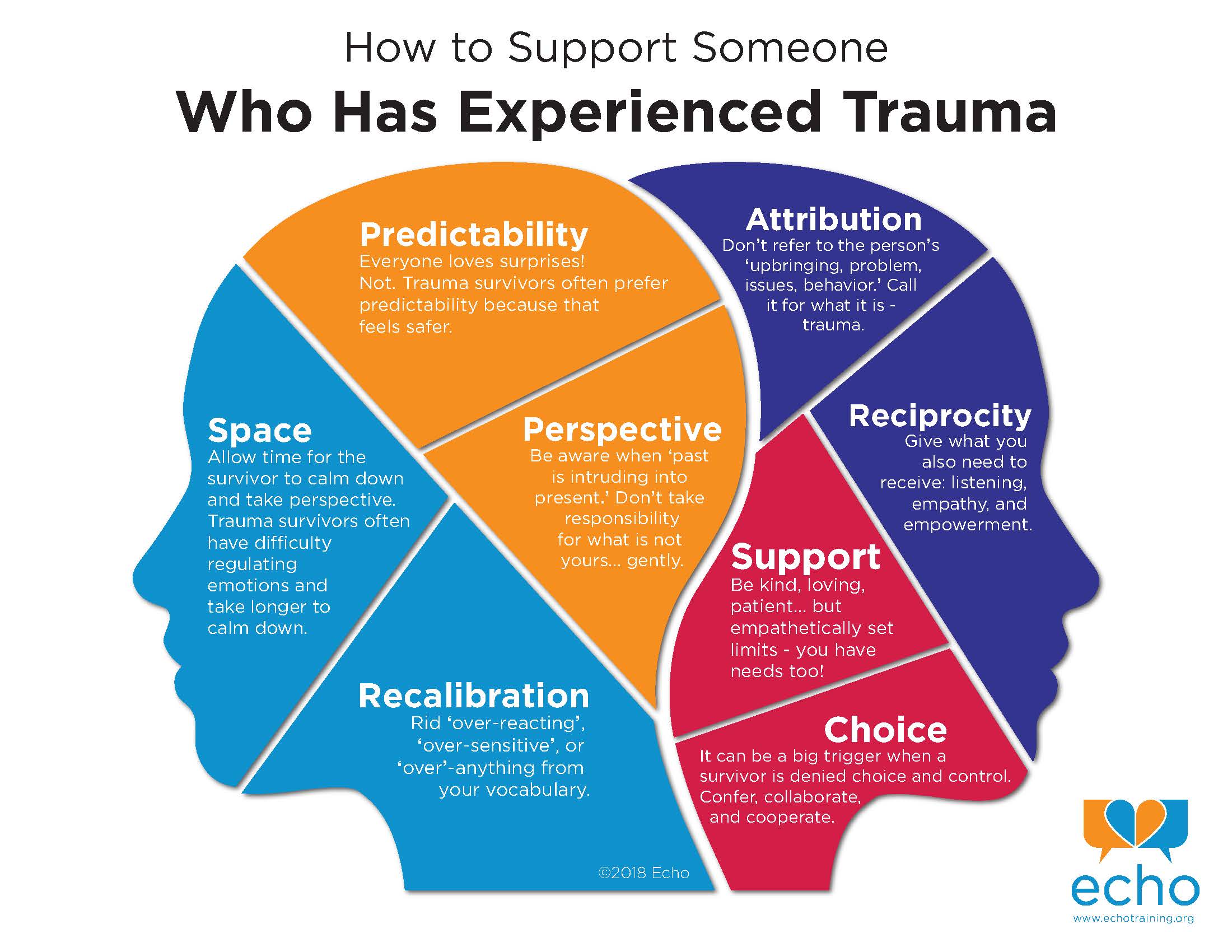
Losing a loved one can be a devastating experience, and the aftermath can be even more challenging when it comes unexpectedly. Sudden loss can leave individuals feeling isolated, overwhelmed, and struggling to cope with their emotions. In such situations, finding support and help becomes crucial to navigate the healing process. When trauma knocks, someone lends a hand, and seeking support from family, friends, or professionals can be a significant step towards recovery.
The grieving process is unique to each individual, and the experience of sudden loss can be particularly intense due to the sudden nature of the event. The loss of a loved one can evoke a range of emotions, including shock, denial, anger, sadness, and grief. The physical and emotional toll of sudden loss can be significant, making it essential to seek support and help from those around them or from professional resources.
Types of Support Available
Various types of support are available to individuals experiencing sudden loss, including:
- Family and Friends: Loved ones can provide emotional support, practical help, and a listening ear during difficult times. The presence of family and friends can be a significant source of comfort and strength.
- Professional Counseling: Trained therapists and counselors can provide a safe and non-judgmental space to process emotions and work through the grieving process. They can also offer coping strategies and support to manage complex emotions.
- Support Groups: Joining a support group can connect individuals with others who have experienced similar losses. Sharing experiences and emotions with others who understand the challenges of sudden loss can be a powerful way to heal and find support.
- Hotlines and Online Resources: Hotlines and online resources can provide immediate support and guidance. These resources can offer a listening ear, coping strategies, and access to professional counseling services.
Finding Support at Work
The workplace can be a significant source of support during difficult times. Employers can provide resources and accommodations to help employees cope with sudden loss, such as:
- Paid Leave: Paid leave can provide employees with time to grieve and attend to personal matters without the burden of financial stress.
- Flexible Work Arrangements: Flexible work arrangements can help employees manage their workload and balance work and personal responsibilities during a difficult time.
- Employee Assistance Programs (EAPs): EAPs can provide employees with access to counseling services, stress management techniques, and other resources to help them cope with sudden loss.
Finding Support in the Community
The community can also provide support during times of sudden loss. Local resources can include:
- Community Centers: Community centers can offer counseling services, support groups, and other resources to help individuals cope with sudden loss.
- Churches and Places of Worship: Places of worship can provide emotional support, counseling services, and other resources to help individuals navigate the grieving process.
- Volunteer Opportunities: Volunteering can provide a sense of purpose and fulfillment during difficult times.
Finding Support Online
The internet can also be a valuable resource for finding support during times of sudden loss. Online resources can include:
- Online Support Groups: Online support groups can connect individuals with others who have experienced similar losses. Sharing experiences and emotions with others who understand the challenges of sudden loss can be a powerful way to heal and find support.
- Online Counseling Services: Online counseling services can provide individuals with access to professional counseling services from the comfort of their own homes.
- Online Resources: Online resources can offer coping strategies, support, and guidance to help individuals navigate the grieving process.
Finding Support for Children and Teenagers
Sudden loss can also affect children and teenagers, who may experience a range of emotions and challenges. Finding support for children and teenagers is essential to help them cope with their emotions and navigate the grieving process. Support for children and teenagers can include:
- Parental Support: Parents can provide emotional support, guidance, and counseling to help children and teenagers cope with sudden loss.
- School Counselors: School counselors can provide emotional support, guidance, and counseling to help children and teenagers cope with sudden loss.
- After-School Programs: After-school programs can provide children and teenagers with a safe and supportive environment to process emotions and work through the grieving process.
Finding Support for Pets
Sudden loss can also affect pets, who may experience stress and anxiety during difficult times. Finding support for pets is essential to help them cope with sudden loss. Support for pets can include:
- Veterinary Care: Veterinarians can provide emotional support, guidance, and counseling to help pets cope with sudden loss.
- Pet Therapists: Pet therapists can provide emotional support, guidance, and counseling to help pets cope with sudden loss.
- Pet Loss Support Groups: Pet loss support groups can connect individuals with others who have experienced similar losses. Sharing experiences and emotions with others who understand the challenges of sudden loss can be a powerful way to heal and find support.
Finding Support After a Sudden Loss
Finding support after a sudden loss is essential to navigate the grieving process and find healing. Support can come from various sources, including:
- Family and Friends: Loved ones can provide emotional support, practical help, and a listening ear during difficult times.
- Professional Counseling: Trained therapists and counselors can provide a safe and non-judgmental space to process emotions and work through the grieving process.
- Support Groups: Joining a support group can connect individuals with others who have experienced similar losses. Sharing experiences and emotions with others who understand the challenges of sudden loss can be a powerful way to heal and find support.
- Hotlines and Online Resources: Hotlines and online resources can provide immediate support and guidance. These resources can offer a listening ear, coping strategies, and access to professional
Recent Post
Unlocking The Secrets Of Menopause: Expert Insights On Navigating Life After 40 With Paolo Tantoco
Tensions Rise As Trump Officials Defend Tariffs Amid Market Volatility And Warnings For Savers And Retirees
Rosie O'Donnell Teases Trump Move, Posts Disruptive Selfie From Abroad
Wings For The Win: Capitals Edge Ducks 7-4 In Thrilling Matchup
Ducks Fall Short: Key Takeaways From Thrilling 7-4 Loss To Capitals
Article Recommendations
- Vikram's Staggering Cinematic Journey: A Legacy Of Unparalleled Excellence
- Discover The Inspiring Journey Of Mary Marquardt: A Trailblazer In Business And Life
- Unveiling The Enigmatic Husband Of Hollywood A-Lister: Naomi Watts