- The Impact of Trade Tensions on the Stock Market
- The Impact of Slowing Global Economic Growth on the Stock Market
- The Impact of Rising Interest Rates on the Stock Market
- The Impact of the US Government's Decision to Impose Tariffs on the Stock Market
- The Impact of a Decrease in Consumer Spending on the Stock Market
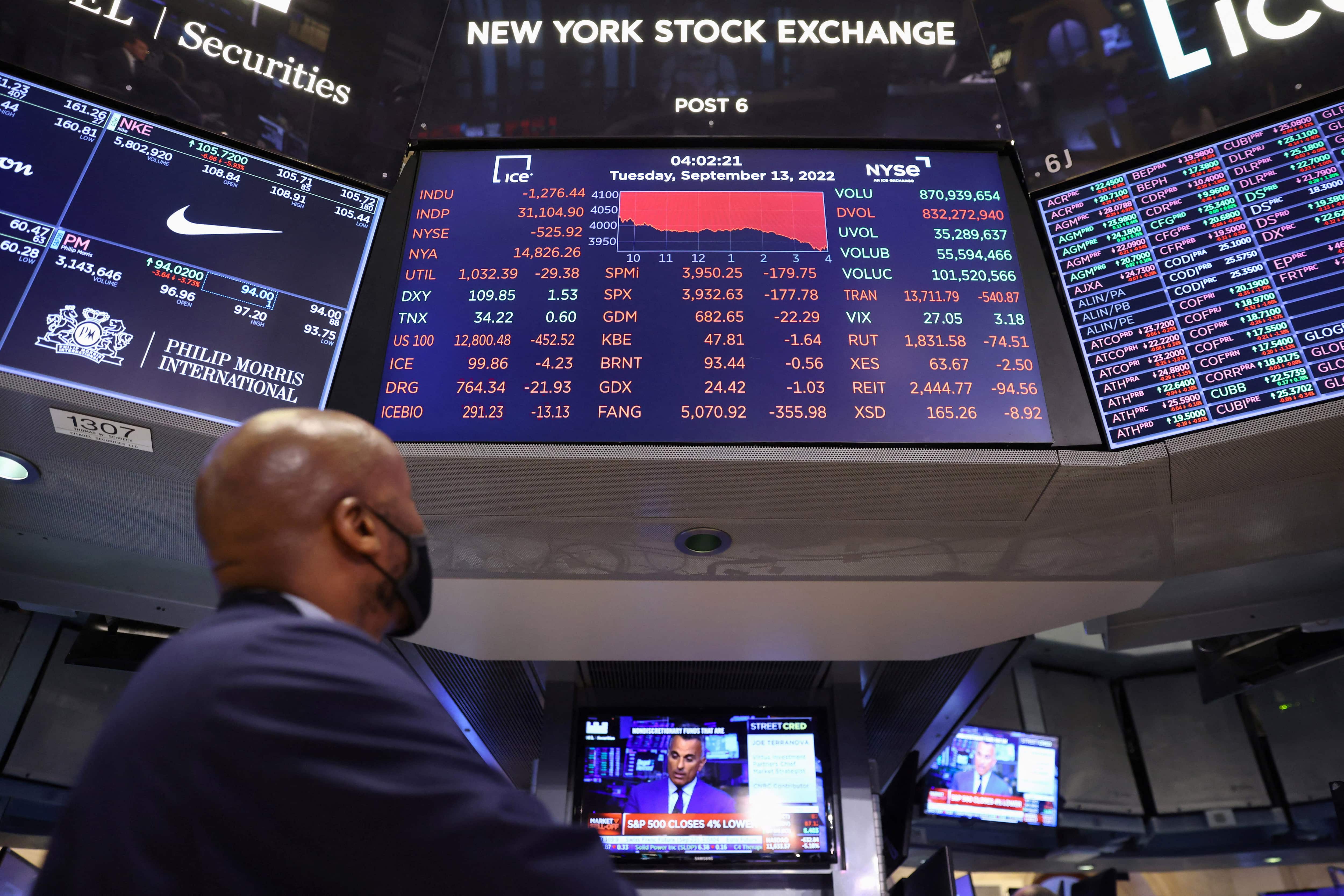
Stock Market Plunges Amid US Economic Concerns: A Growing Fear For Investors
The stock market has been on a rollercoaster ride lately, with sudden and unexpected dips that have left investors scratching their heads. The recent plunge in the market has sent shockwaves through the financial world, with many experts warning of a growing fear among investors. In this article, we will delve into the reasons behind the stock market's downturn and what it means for investors.
The current economic climate in the US is indeed a cause for concern. The ongoing trade tensions between the US and China, the slowing down of global economic growth, and the rising interest rates have all contributed to the market's instability. The US government's decision to impose tariffs on Chinese goods has led to a decline in exports, which has had a ripple effect on the entire economy. Additionally, the Federal Reserve's decision to raise interest rates has made borrowing more expensive, which has led to a decrease in consumer spending.
The stock market's plunge has also been fueled by the growing concerns about the US economy's growth prospects. The GDP growth rate has been slowing down, and the labor market has been experiencing a slowdown in job growth. The yield curve, which is a key indicator of the economy's health, has also inverted, which is a sign of an impending recession.
The impact of the stock market's plunge on investors cannot be overstated. Many investors have seen their portfolios take a hit, with some even losing money. The fear of a recession is now at an all-time high, and many investors are trying to time the market. However, timing the market is a challenging task, and many experts warn that trying to do so can lead to significant losses.
The Causes of the Stock Market's Plunge
The stock market's plunge can be attributed to a combination of factors. Some of the key causes include:
- Trade Tensions
- Slowing Global Economic Growth
- Rising Interest Rates
- US Government's Decision to Impose Tariffs
- Growing Concerns about the US Economy's Growth Prospects
The Impact of Trade Tensions on the Stock Market
The trade tensions between the US and China have had a significant impact on the stock market. The tariffs imposed by the US government on Chinese goods have led to a decline in exports, which has had a ripple effect on the entire economy. The Chinese government has also retaliated with its own tariffs, which has further exacerbated the situation.
The trade tensions have also had a negative impact on the global economy. The global supply chain has been disrupted, leading to a shortage of raw materials and a rise in production costs. The trade tensions have also led to a decrease in investment, as companies have become more cautious about investing in the global economy.
The Impact of Slowing Global Economic Growth on the Stock Market
The slowing down of global economic growth has also had a significant impact on the stock market. The global economy has been growing at a slower pace, which has led to a decrease in consumer spending and investment. The slowdown in economic growth has also led to a decrease in business confidence, which has made it more difficult for companies to invest and expand.
The slowing down of global economic growth has also led to a decrease in commodity prices. The decline in commodity prices has had a negative impact on the stock market, as many companies that rely on commodity prices to drive their profits have seen their earnings decline.
The Impact of Rising Interest Rates on the Stock Market
The rising interest rates have also had a significant impact on the stock market. The increase in interest rates has made borrowing more expensive, which has led to a decrease in consumer spending. The rise in interest rates has also led to a decrease in the value of the dollar, which has made imports more expensive.
The rise in interest rates has also led to a decrease in the stock market's sentiment. The increase in interest rates has made investors more cautious, which has led to a decrease in investment. The rise in interest rates has also led to a decrease in the stock market's volatility, which has made it more difficult for investors to time the market.
The Impact of the US Government's Decision to Impose Tariffs on the Stock Market
The US government's decision to impose tariffs on Chinese goods has had a significant impact on the stock market. The tariffs have led to a decline in exports, which has had a ripple effect on the entire economy. The tariffs have also led to a decrease in consumer spending, as companies have become more cautious about investing in the global economy.
The tariffs have also led to a decrease in the stock market's sentiment. The imposition of tariffs has made investors more cautious, which has led to a decrease in investment. The tariffs have also led to a decrease in the stock market's volatility, which has made it more difficult for investors to time the market.
The Impact of Growing Concerns about the US Economy's Growth Prospects on the Stock Market
The growing concerns about the US economy's growth prospects have also had a significant impact on the stock market. The concerns about the economy's growth prospects have led to a decrease in consumer spending and investment. The concerns have also led to a decrease in business confidence, which has made it more difficult for companies to invest and expand.
The concerns about the US economy's growth prospects have also led to a decrease in the stock market's sentiment. The concerns have made investors more cautious, which has led to a decrease in investment. The concerns have also led to a decrease in the stock market's volatility, which has made it more difficult for investors to time the market.
The Impact of a Decrease in Consumer Spending on the Stock Market
A decrease in consumer spending has had a significant impact on the stock market. The decrease in consumer spending has led to a decrease in demand for goods and services, which has led to a decrease in sales for companies. The decrease in
Recent Post
Unlocking The Secrets Of Menopause: Expert Insights On Navigating Life After 40 With Paolo Tantoco
Tensions Rise As Trump Officials Defend Tariffs Amid Market Volatility And Warnings For Savers And Retirees
Rosie O'Donnell Teases Trump Move, Posts Disruptive Selfie From Abroad
Wings For The Win: Capitals Edge Ducks 7-4 In Thrilling Matchup
Ducks Fall Short: Key Takeaways From Thrilling 7-4 Loss To Capitals
Article Recommendations
- Rebbie Jackson: A Lifetime Of Music, Family, And Fame
- Unveil The Enigmatic Stature Of Brad Pitt: Height In Feet Revealed
- Unveiling The Enigmatic Jules Ari: The Artist Behind The Masterful Portraits