HAWAII Volcano ERUPTION: Is Your Island Safe?
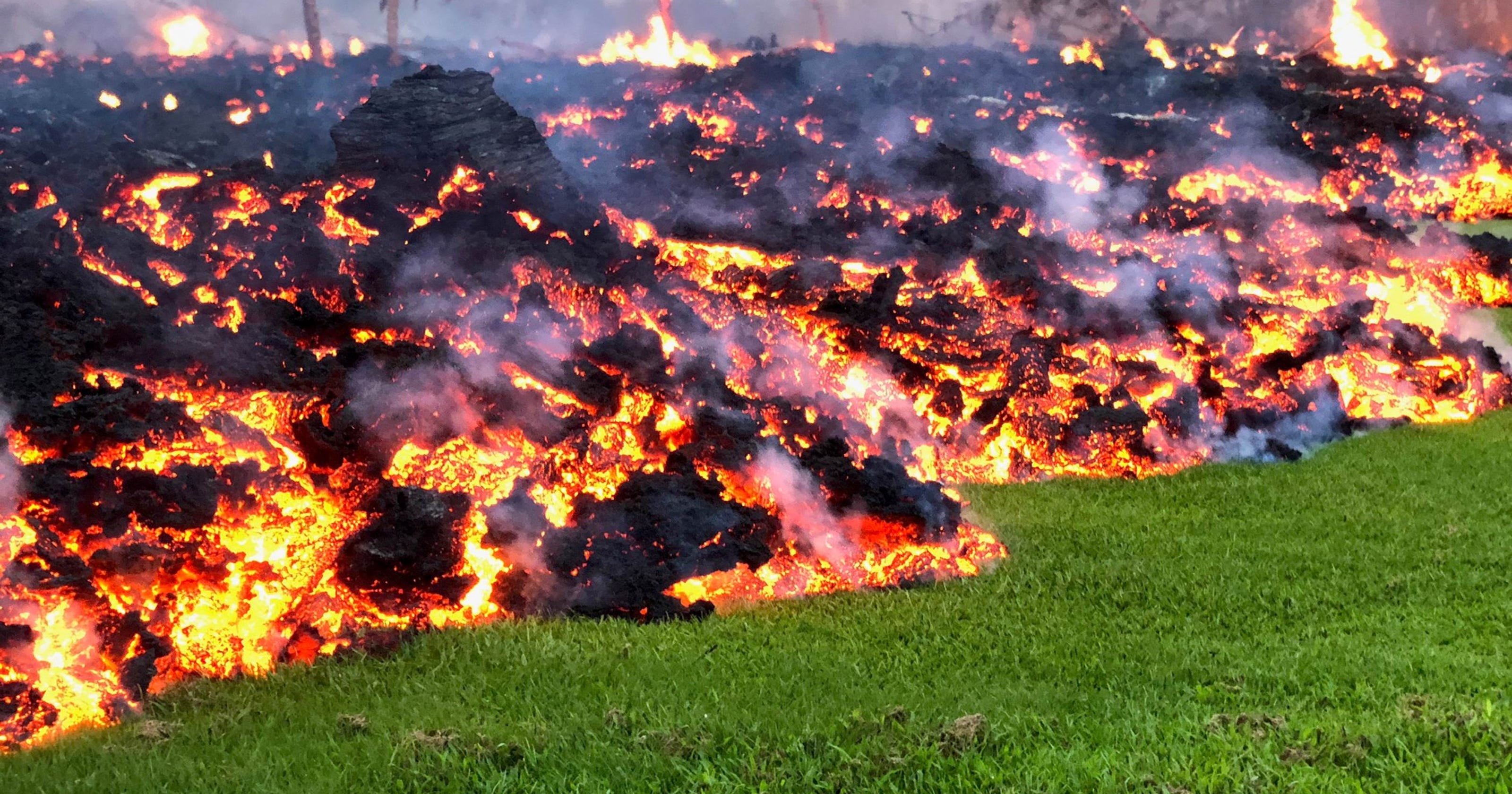
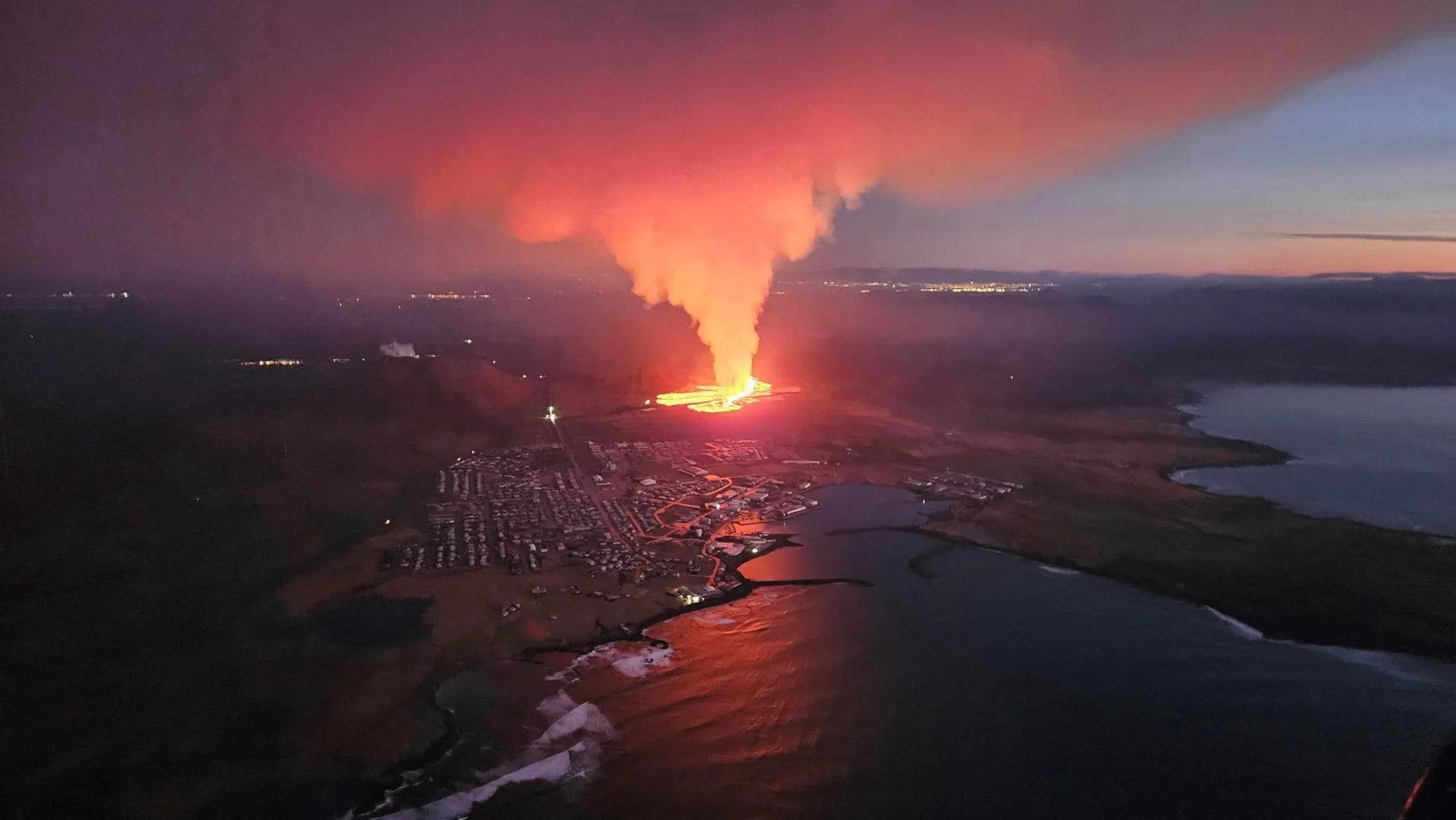
Located in the Pacific Ocean, Hawaii is a chain of volcanic islands that are known for their stunning natural beauty and unique geological features. However, with this comes the risk of volcanic eruptions, which can have devastating effects on the islands and their inhabitants. In recent years, there have been several significant volcanic eruptions in Hawaii, including the 2018 Kilauea eruption, which caused widespread damage and displacement. In this article, we will explore the risks and consequences of volcanic eruptions in Hawaii, and provide information on how to stay safe.
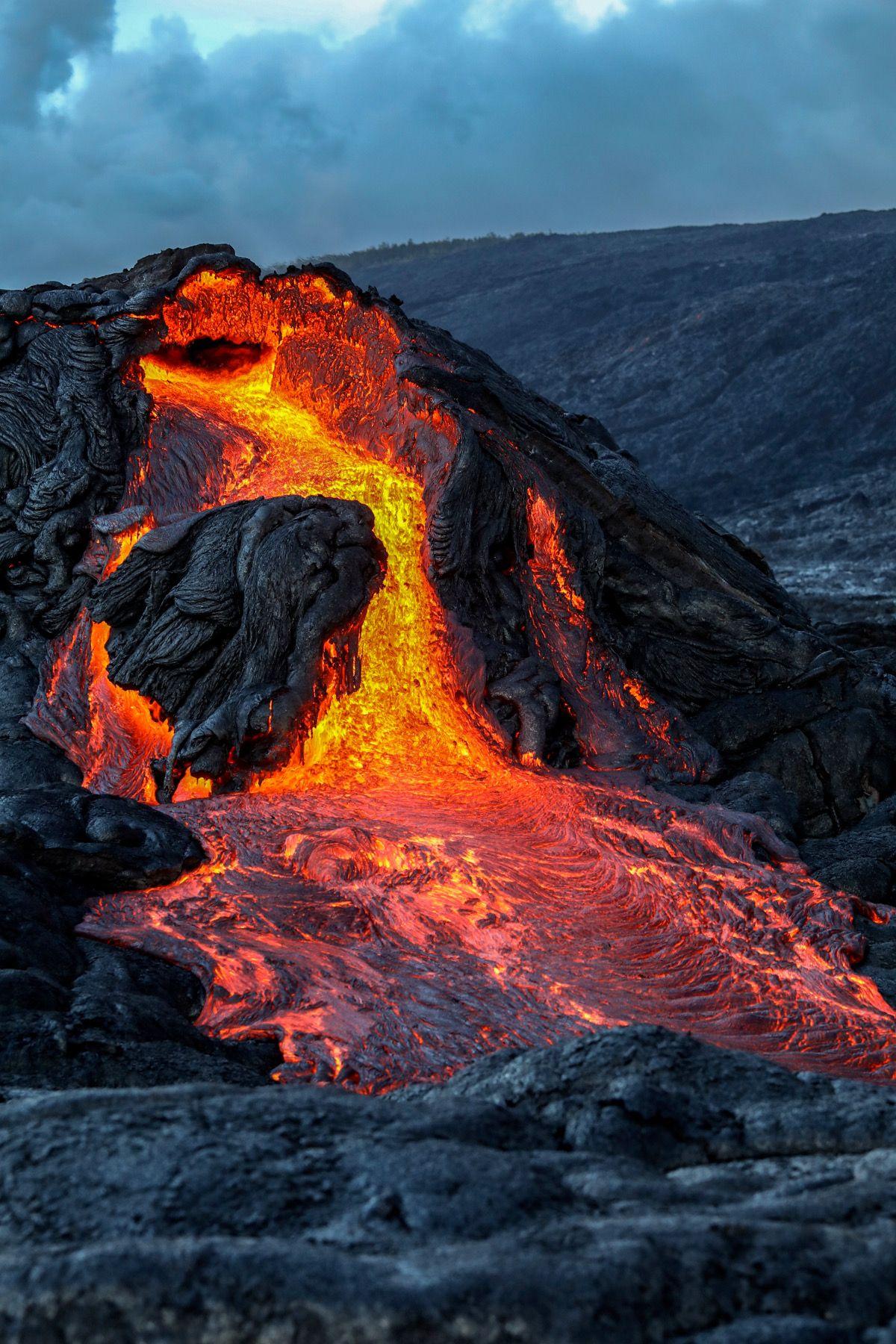
Volcanic eruptions are a natural phenomenon that occurs when magma from the Earth's interior rises to the surface, resulting in the release of molten rock, ash, and gas. Hawaii is located over a hotspot, where magma from the Earth's core rises to the surface, creating new land and shaping the islands. However, this process can also lead to volcanic eruptions, which can have significant impacts on the environment and human populations.
Understanding the Risks
Volcanic eruptions in Hawaii can pose significant risks to the islands and their inhabitants. Some of the most significant risks include:
• Lahars: Mudflows that occur when volcanic ash and debris mix with water, causing widespread damage and displacement.
• Pyroclastic flows: Fast-moving clouds of ash, gas, and rock that can cause widespread destruction and loss of life.
• Ash fall: The release of ash into the atmosphere, which can cause respiratory problems and disrupt air travel.
• Gas emissions: The release of toxic gases, such as sulfur dioxide and hydrogen chloride, which can cause respiratory problems and damage crops.
Where Are the Volcanoes Located?
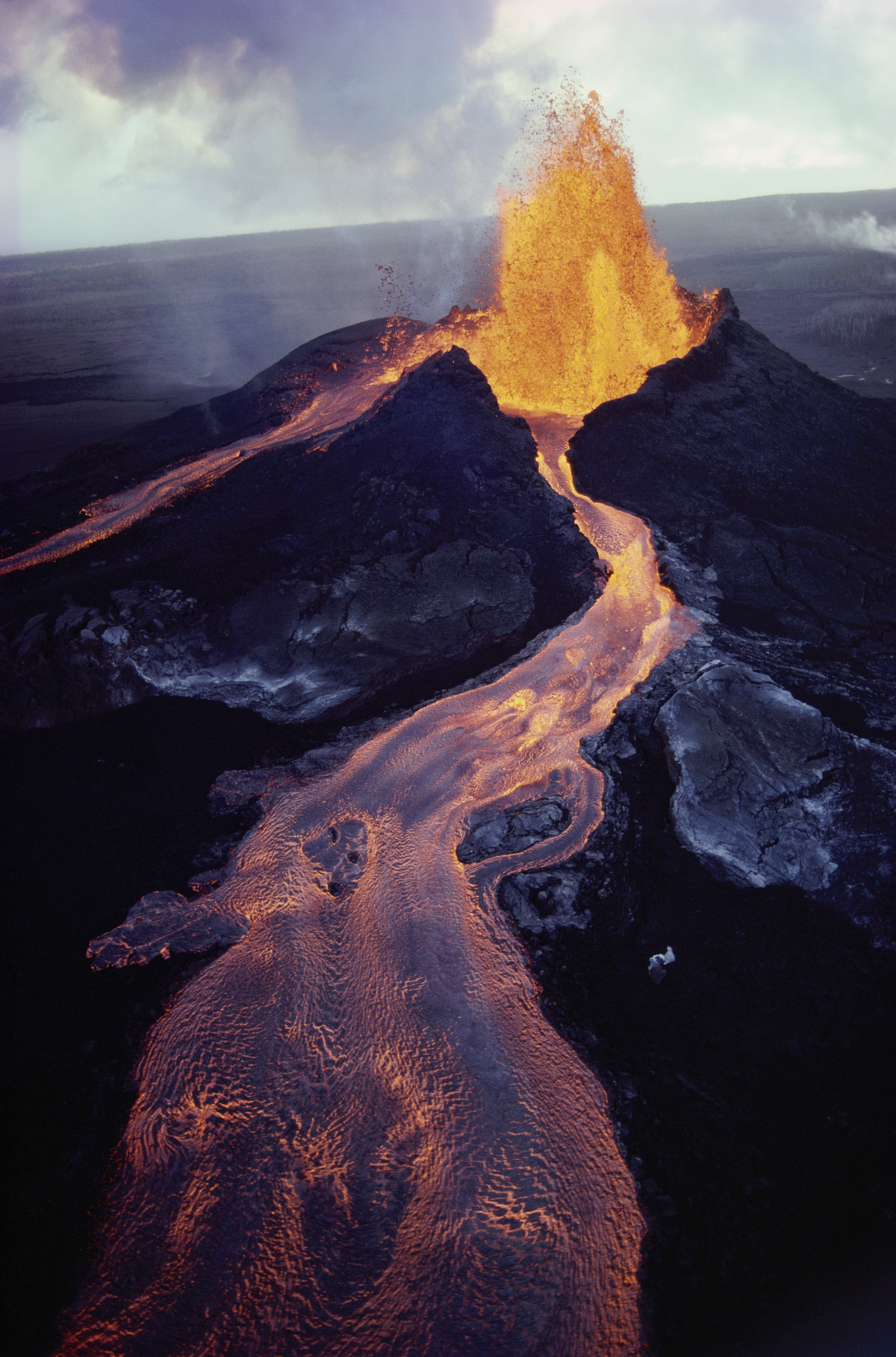
Hawaii is home to several active volcanoes, including Kilauea, Mauna Loa, and Haleakala. Kilauea, located on the Big Island, is one of the most active volcanoes in the world and has been erupting continuously since 1983. Mauna Loa, also located on the Big Island, is the largest volcano on Earth and is considered to be in a state of dormancy. Haleakala, located on Maui, is a dormant volcano that last erupted in 1790.
Volcano Locations and their Risks
Here is a breakdown of the locations of the volcanoes in Hawaii and the risks associated with each:
• Kilauea: Located on the Big Island, Kilauea is considered to be one of the most active volcanoes in the world. Its proximity to populated areas makes it a significant risk, with the potential for lahars and pyroclastic flows.
• Mauna Loa: Located on the Big Island, Mauna Loa is the largest volcano on Earth and is considered to be in a state of dormancy. However, its size and potential for eruption make it a significant risk.
• Haleakala: Located on Maui, Haleakala is a dormant volcano that last erupted in 1790. While it is considered to be a lower risk, its proximity to populated areas still makes it a concern.
Staying Safe
While volcanic eruptions can be devastating, there are steps that can be taken to stay safe. Here are some tips:
• Monitor volcanic activity: Stay informed about volcanic activity through the United States Geological Survey (USGS) and the Hawaiian Volcano Observatory (HVO).
• Follow evacuation orders: If an evacuation order is issued, follow it immediately and move to a safe location.
• Stay indoors: During an eruption, stay indoors and avoid traveling to areas that are at risk.
• Use protective gear: Wear protective gear, such as masks and goggles, when venturing outdoors.
Emergency Preparedness
Here are some steps that can be taken to prepare for a volcanic eruption:
• Create a family emergency plan: Develop a plan with your family that includes a safe meeting point and evacuation route.
• Stock an emergency kit: Stock an emergency kit with essentials, such as food, water, and first aid supplies.
• Stay informed: Stay informed about volcanic activity through the USGS and HVO.
• Follow instructions: Follow instructions from local authorities and emergency management officials.
Economic Impact
Volcanic eruptions can have significant economic impacts on Hawaii, including:
• Damage to infrastructure: Volcanic eruptions can cause significant damage to infrastructure, such as roads and buildings.
• Loss of tourism: Volcanic eruptions can also impact the tourism industry, which is a significant contributor to Hawaii's economy.
• Agricultural impacts: Volcanic eruptions can also impact agriculture, with ash fall and gas emissions potentially damaging crops.
Economic Consequences
Here are some of the economic consequences of a volcanic eruption in Hawaii:
• Loss of property: Volcanic eruptions can cause significant damage to property, including homes and businesses.
• Loss of revenue: Volcanic eruptions can also impact revenue, particularly in the tourism industry.
• Economic disruption: Volcanic eruptions can also cause economic disruption, particularly in industries that rely on tourism.
Conclusion
Volcanic eruptions in Hawaii can have devastating effects on the islands and their inhabitants. Understanding the risks and taking steps to stay safe can help minimize the impact of a volcanic eruption. By staying informed, following evacuation orders, and taking protective measures, you can help ensure your safety during a volcanic eruption. Remember, preparation is key, and having a family emergency plan and stockpiling emergency supplies can help ensure your safety.
Recent Post
Unlocking The Secrets Of Menopause: Expert Insights On Navigating Life After 40 With Paolo Tantoco
Tensions Rise As Trump Officials Defend Tariffs Amid Market Volatility And Warnings For Savers And Retirees
Rosie O'Donnell Teases Trump Move, Posts Disruptive Selfie From Abroad
Wings For The Win: Capitals Edge Ducks 7-4 In Thrilling Matchup
Ducks Fall Short: Key Takeaways From Thrilling 7-4 Loss To Capitals
Article Recommendations
- 'Girl Meets Farm' Abruptly Cancelled: Fans Devastated As Series Ends Abruptly
- Emmanuel Lewis: From "Webster" To Hollywood Icon
- Discover Es Foo: A Taste Of Authentic Korean Cuisine