The Wildfire Menace: Understanding the Dangers of Vegetation Fires in California's Wildlands
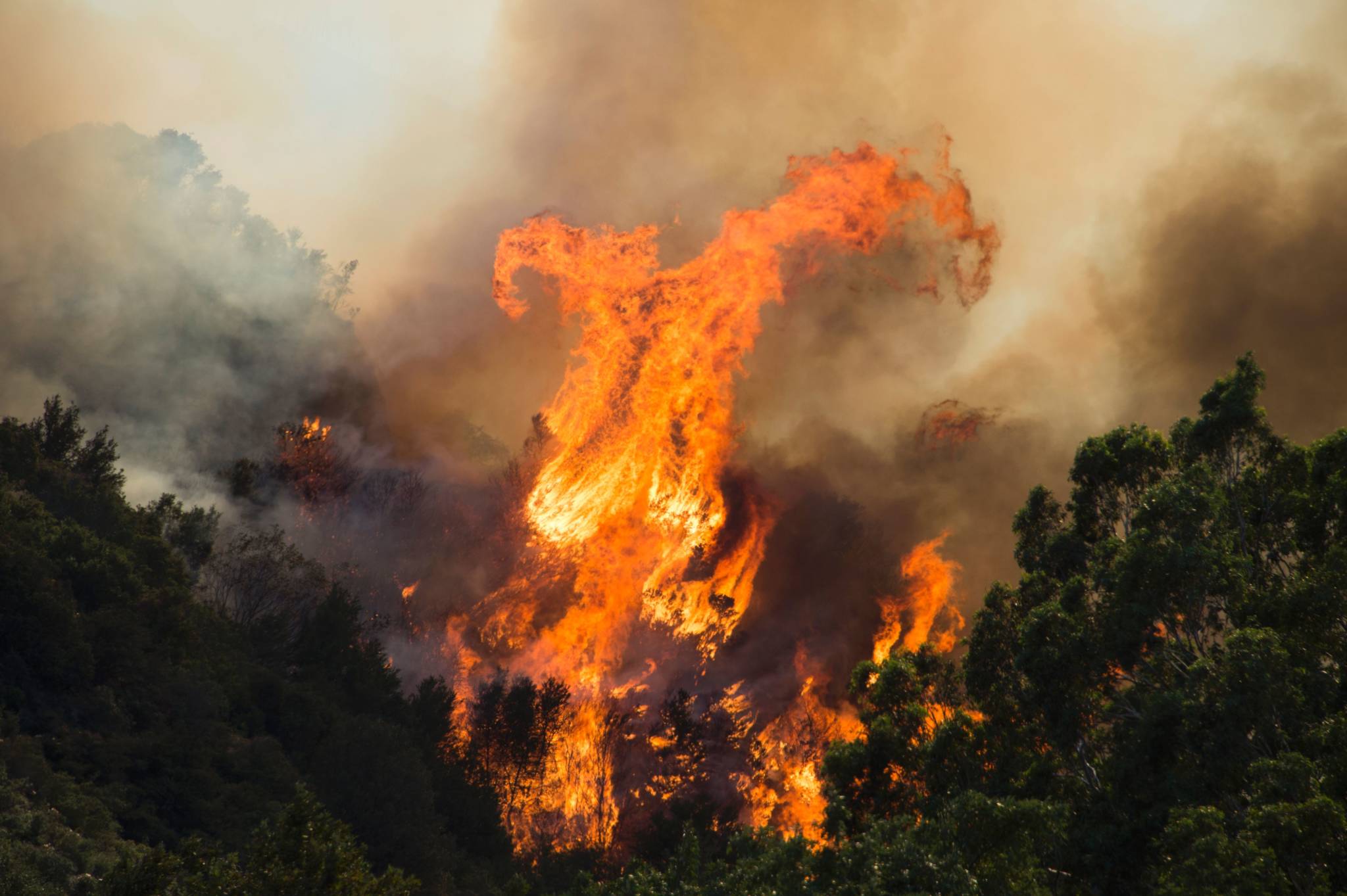
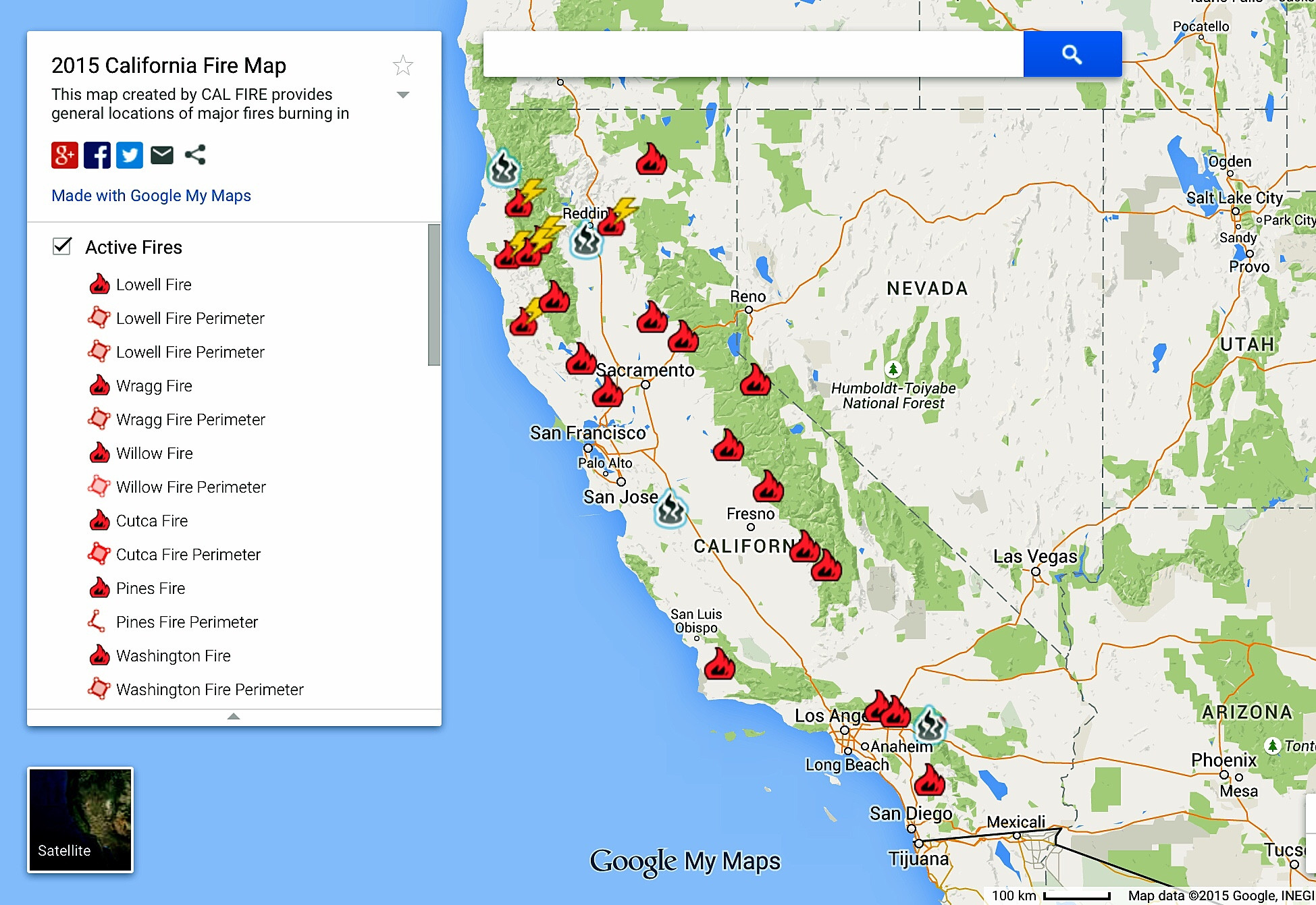
California, known for its diverse landscape and picturesque natural beauty, is facing an unprecedented threat to its wildlands. Vegetation fires, often referred to as the silent threat, are igniting in the state's forests, grasslands, and scrublands, leaving a trail of destruction and devastation in their wake. These fires are not just a natural disaster, but a complex problem that requires a comprehensive understanding of its causes, consequences, and prevention strategies.
California's unique combination of climate, geography, and vegetation makes it a hotspot for vegetation fires. The state's Mediterranean climate, characterized by hot and dry summers, creates a tinderbox of dry vegetation that is susceptible to ignition. The confluence of human activity, such as prescribed burns, and natural factors, like lightning strikes, has created a perfect storm of conditions that favor the spread of vegetation fires.
The economic and social impacts of vegetation fires in California are significant. According to the California Department of Forestry and Fire Protection (CAL FIRE), vegetation fires cost the state an estimated $1.5 billion in damages each year. The emotional toll of these fires is also substantial, with many communities forced to evacuate their homes and businesses. The psychological trauma experienced by those affected by vegetation fires is a significant concern, with many individuals struggling to cope with the loss of their property and the trauma of witnessing a fire.
Understanding the Causes of Vegetation Fires
Human Activity
Human activity is a significant contributor to the outbreak of vegetation fires in California. Some of the most common causes of vegetation fires include:
• Prescribed burns: While prescribed burns are intended to reduce fuel loads and promote forest health, they can sometimes get out of control, spreading to surrounding areas and igniting vegetation fires.
• Accidental ignition: Human error, such as unattended campfires or discarded cigarettes, can spark vegetation fires.
• Vehicle collisions: Cars can collide with power lines or other vehicles, sparking vegetation fires.
• Arson: Intentionally set fires, often for insurance payouts or as a form of vandalism, are a significant concern in California.
Natural Factors
Natural factors, such as lightning strikes, play a significant role in the outbreak of vegetation fires. Lightning can strike the ground or ignite dry vegetation, starting a fire that can spread rapidly. Other natural factors, such as strong winds and drought, can also contribute to the spread of vegetation fires.
Weather Conditions
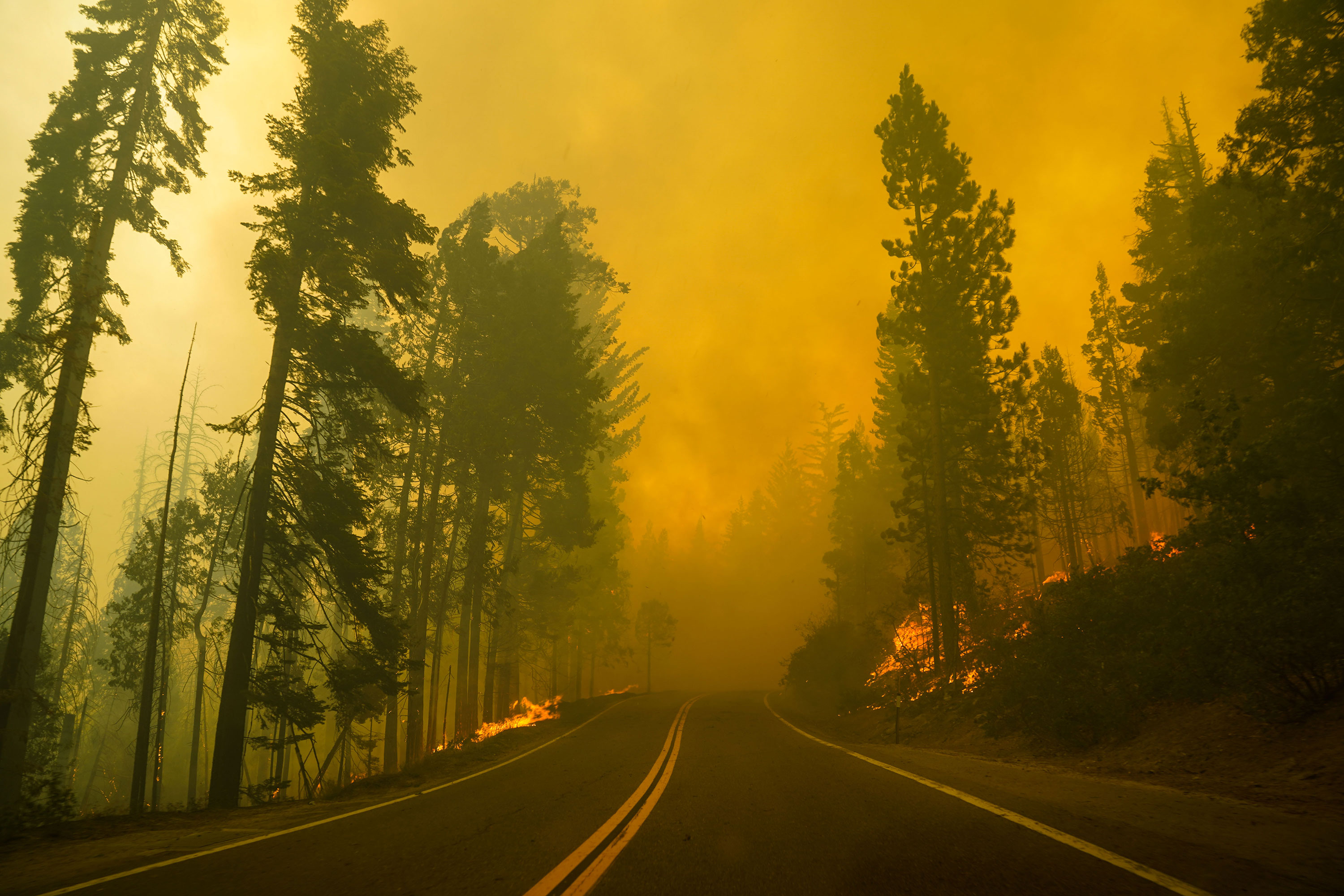
Weather conditions, such as heatwaves and droughts, create an environment that is conducive to vegetation fires. Dry vegetation is more susceptible to ignition, and the heat from the sun can cause fires to spread quickly. Strong winds can also fan the flames, making it difficult to contain vegetation fires.
Consequences of Vegetation Fires
Environmental Impact
Vegetation fires have a significant impact on the environment. They can destroy habitats, alter ecosystems, and affect wildlife populations. The smoke from vegetation fires can also have a negative impact on air quality, making it difficult for people to breathe.
Economic Impact
The economic impact of vegetation fires in California is significant. The cost of fighting fires, repairing damage, and rebuilding affected communities is substantial. The tourism industry, which is a significant contributor to California's economy, is also affected by vegetation fires, with many popular destinations being closed due to fire danger.
Human Impact
Vegetation fires can have a significant impact on human health. The smoke from these fires can cause respiratory problems, and the emotional toll of witnessing a fire can be substantial. Many people are forced to evacuate their homes and businesses, leading to a significant increase in housing costs and a strain on local resources.
Social Impact
Vegetation fires can also have a significant social impact. Many communities are forced to come together to support those affected by a fire, leading to a sense of community and resilience. However, the trauma experienced by those affected by vegetation fires can also lead to long-term psychological effects, such as post-traumatic stress disorder (PTSD).
Prevention Strategies
Fire Breaks
Fire breaks, which are areas of cleared vegetation, can help contain vegetation fires. By creating a fire break, firefighters can prevent the spread of a fire and give residents more time to evacuate.
Prescribed Burns
Prescribed burns, when conducted properly, can help reduce fuel loads and promote forest health. These burns are typically conducted during the cooler months, when the risk of ignition is lower.
Vegetation Management
Vegetation management, such as thinning and pruning, can help reduce the risk of vegetation fires. By removing dead and dying vegetation, firefighters can create a more fire-resistant forest.
Education and Awareness
Education and awareness are critical in preventing vegetation fires. By teaching residents and visitors about fire safety, CAL FIRE and other agencies can reduce the risk of ignition.
Firefighting Techniques
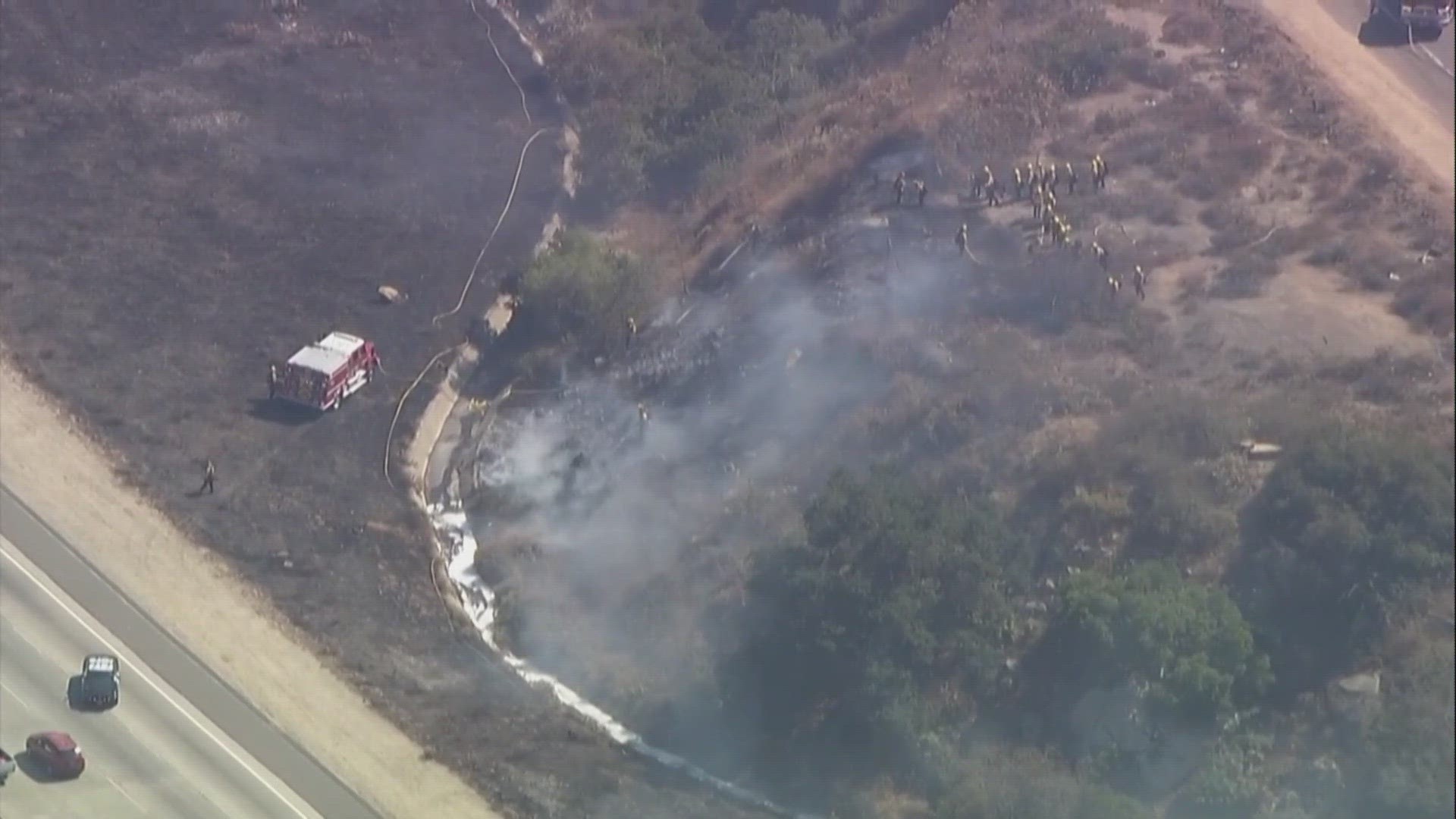
Firefighting techniques, such as aerial attacks and ground crews, are critical in containing vegetation fires. By using a combination of these techniques, firefighters can quickly respond to a fire and prevent its spread.
Emergency Preparedness
Emergency preparedness is essential in the event of a vegetation fire. By having a plan in place, residents can quickly evacuate and seek shelter in safe locations.
Air Quality Monitoring
Air quality monitoring is critical in understanding the impact of vegetation fires on air quality. By monitoring air quality, firefighters and public health officials can determine the level of risk and take necessary precautions.
Conclusion
Vegetation fires are a silent threat that is igniting California's wildlands. Understanding the causes, consequences, and prevention strategies is critical in mitigating this threat. By working together, CAL FIRE, residents, and visitors can reduce the risk of vegetation fires and create a safer, more resilient community.
Recent Post
Unlocking The Secrets Of Menopause: Expert Insights On Navigating Life After 40 With Paolo Tantoco
Tensions Rise As Trump Officials Defend Tariffs Amid Market Volatility And Warnings For Savers And Retirees
Rosie O'Donnell Teases Trump Move, Posts Disruptive Selfie From Abroad
Wings For The Win: Capitals Edge Ducks 7-4 In Thrilling Matchup
Ducks Fall Short: Key Takeaways From Thrilling 7-4 Loss To Capitals
Article Recommendations
- Vikram's Staggering Cinematic Journey: A Legacy Of Unparalleled Excellence
- Unveiling The Height And Health Of Barron Trump: An Exclusive Insight
- Unveiling Sabrina Carpenter's Weight Loss Journey: Insights And Inspiration