The Eerie Legacy of Nosferatu: A Cinematic Masterpiece That Will Haunt Your Dreams
As the sun sets on another day, the shadows creep in, and the creatures of the night begin to stir. Among the most iconic and enduring figures of the undead is Count Orlok, the rat-like creature from the 1922 masterpiece, Nosferatu. Directed by F.W. Murnau, this German silent horror film is a cinematic masterpiece that continues to captivate audiences with its eerie and haunting atmosphere. In this article, we will delve into the world of Nosferatu, exploring its history, themes, and the reasons why it remains a must-see classic of the horror genre.
The Origins of Nosferatu: A Dark Adaptation
Nosferatu is an unauthorized adaptation of Bram Stoker's Dracula, with the names and some characters altered to avoid copyright infringement. The story follows Hutter, a young merchant who travels to Transylvania to finalize the sale of a property to Count Orlok, a mysterious and grotesque figure with a penchant for darkness and the night. As Hutter delves deeper into the heart of the Carpathian Mountains, he becomes entangled in a web of terror and deceit, leading to a descent into madness and despair.
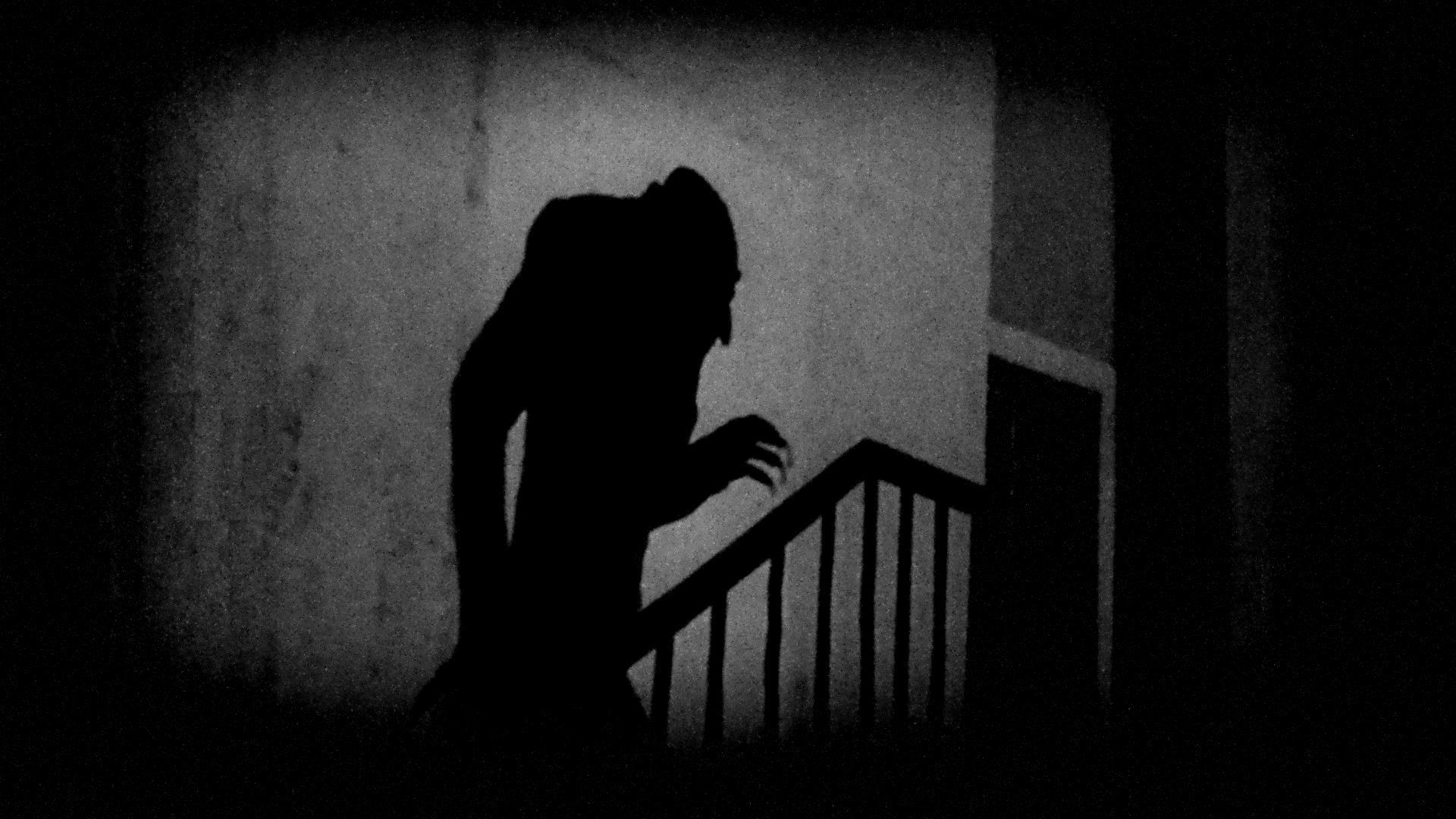
One of the most striking aspects of Nosferatu is its use of atmospheric tension and visual metaphors to create a sense of unease and foreboding. The film's black-and-white cinematography, coupled with its stark and muted color palette, adds to the sense of unease, while the use of shadows and silhouettes creates an atmosphere of perpetual darkness.
The Art of Expressionism: A Style Born of Revolution
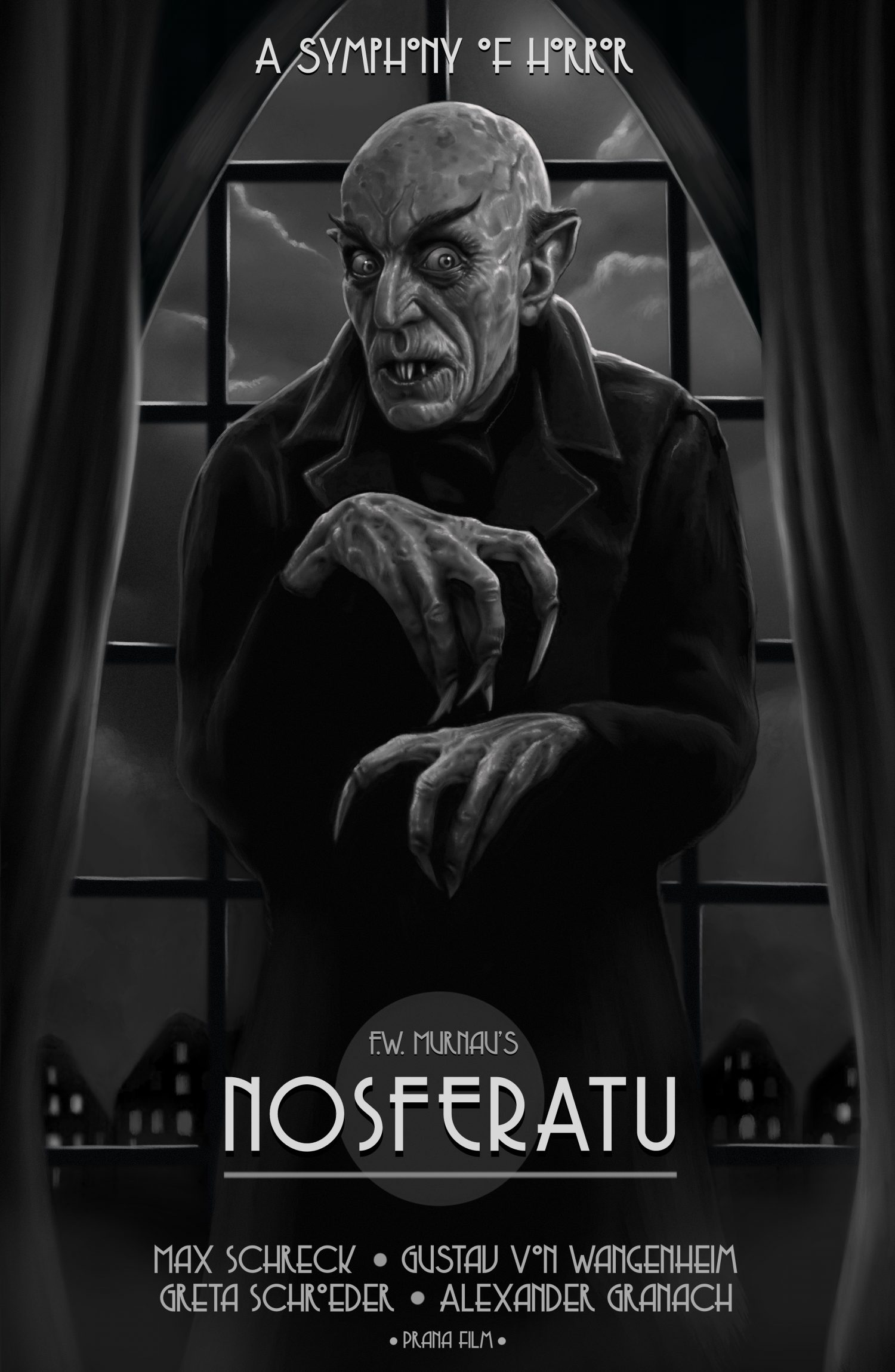
Nosferatu is a prime example of Expressionist cinema, a movement that emerged in the 1920s in response to the chaos and devastation of World War I. Expressionist films sought to convey the turmoil and anxiety of the post-war era through distorted and exaggerated sets, lighting, and costumes. In Nosferatu, this style is evident in the depiction of Count Orlok, who appears as a monstrous, rat-like creature with long fingers and a grotesque face.
The film's use of Expressionist techniques also extends to its portrayal of the human characters. Hutter, for example, is depicted as a timid and uncertain individual, struggling to cope with the horrors that surround him. The use of low-angle shots and Dutch angles creates a sense of unease and disorientation, further emphasizing the feeling of vulnerability that pervades the film.
The Influence of German Expressionism on Horror
Nosferatu's use of Expressionist techniques has had a lasting impact on the horror genre. Many horror films have borrowed from the film's use of atmospheric tension, visual metaphors, and distorted sets to create a sense of unease and fear. The influence of German Expressionism can be seen in films such as The Cabinet of Dr. Caligari, Un Chien Andalou, and The Cabinet of Dr. Caligari, all of which share a similar sense of unease and uncertainty.
The Legacy of Nosferatu: A Haunting Influence
Nosferatu's influence can be seen in a wide range of films, from the Hammer Horror series to modern films such as Tim Burton's Sleepy Hollow. The film's use of atmospheric tension, visual metaphors, and distorted sets has become a hallmark of the horror genre, and its influence can be seen in many aspects of popular culture.
- The film's use of shadows and silhouettes has become a staple of horror filmmaking, with many films using similar techniques to create a sense of unease and fear.
- The character of Count Orlok has become an iconic figure in horror cinema, with many films borrowing from the character's use of makeup and prosthetics to create a sense of unease and fear.
- The film's themes of death, decay, and the supernatural have become a staple of horror cinema, with many films exploring similar themes in a variety of ways.
The Themes of Nosferatu: A Film of Darkness and Redemption
Nosferatu is a film that explores a wide range of themes, including death, decay, and the supernatural. The film's use of atmospheric tension and visual metaphors creates a sense of unease and fear, while the character of Count Orlok serves as a symbol of the dangers of unchecked ambition and desire.
One of the most striking aspects of Nosferatu is its portrayal of the human condition. Hutter, the protagonist, is depicted as a timid and uncertain individual, struggling to cope with the horrors that surround him. The film's use of low-angle shots and Dutch angles creates a sense of unease and disorientation, further emphasizing the feeling of vulnerability that pervades the film.
The Symbolism of Count Orlok
Count Orlok is a symbol of the dangers of unchecked ambition and desire. The character's use of makeup and prosthetics creates a sense of unease and fear, while his actions serve as a cautionary tale about the dangers of unchecked desire.
- The character's use of rats and other small animals serves as a symbol of his connection to the underground and the forces of darkness.
- The character's use of dark and foreboding colors serves as a symbol of his connection to the shadows and the night.
- The character's actions serve as a cautionary tale about the dangers of unchecked ambition and desire.
The Theme of Death and Decay
Death and decay are two of the most prominent themes in Nosferatu. The film's use of dark and foreboding colors creates a sense of unease and fear, while the character of Count Orlok serves as a symbol of the dangers of death and decay.
- The film's use of shadows and silhouettes serves as a symbol of the darkness and fear that death and decay can bring.
Recent Post
Unlocking The Secrets Of Menopause: Expert Insights On Navigating Life After 40 With Paolo Tantoco
Tensions Rise As Trump Officials Defend Tariffs Amid Market Volatility And Warnings For Savers And Retirees
Rosie O'Donnell Teases Trump Move, Posts Disruptive Selfie From Abroad
Wings For The Win: Capitals Edge Ducks 7-4 In Thrilling Matchup
Ducks Fall Short: Key Takeaways From Thrilling 7-4 Loss To Capitals
Article Recommendations
- Unveiling The True Identities: Inside Chaun Woo's Real Family Album
- Unveiling The Age Mystery: Isavid Muir's Wife's Surprising Age Revealed
- Unveiling The Riches: Rick Harrison's Astonishing Net Worth