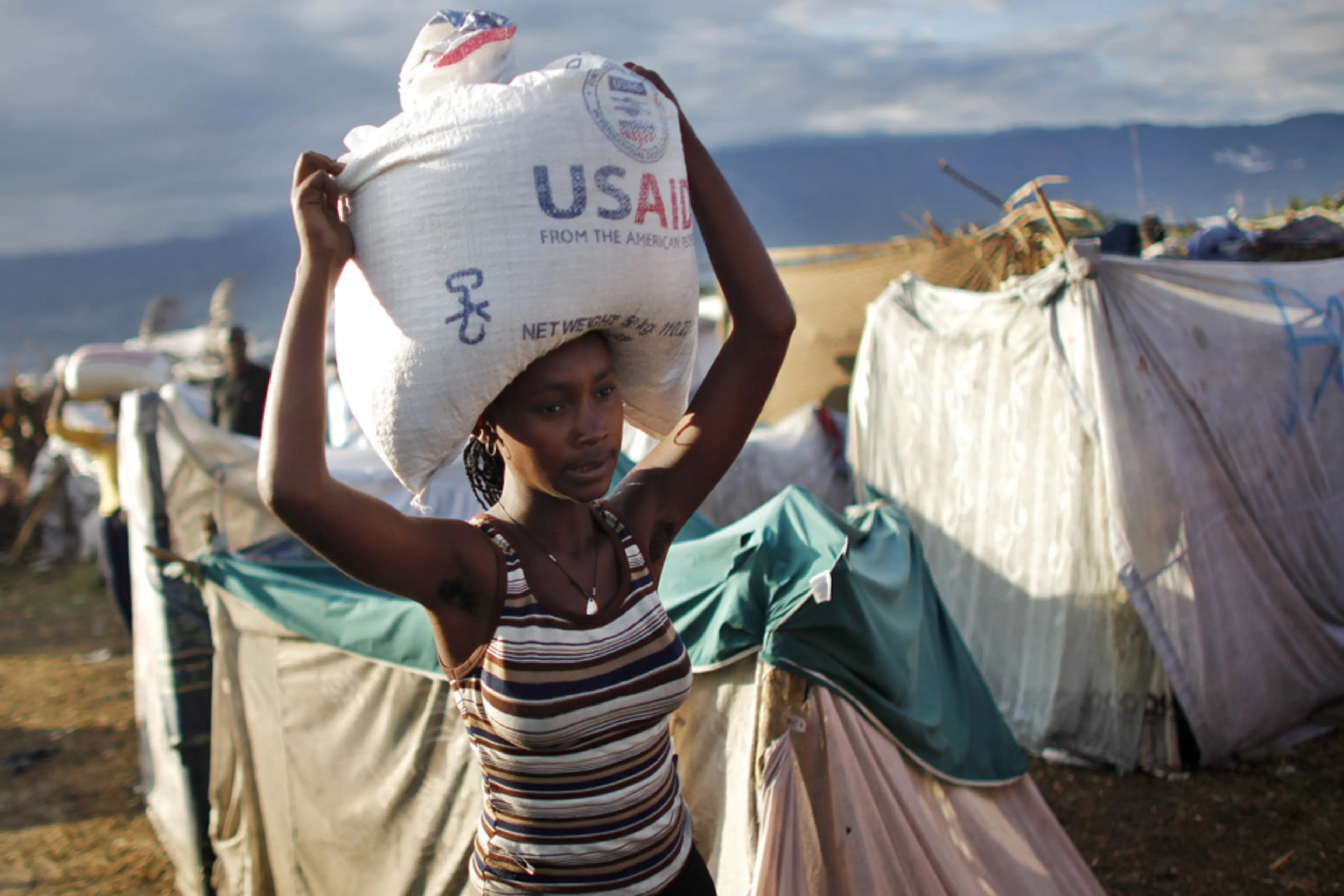
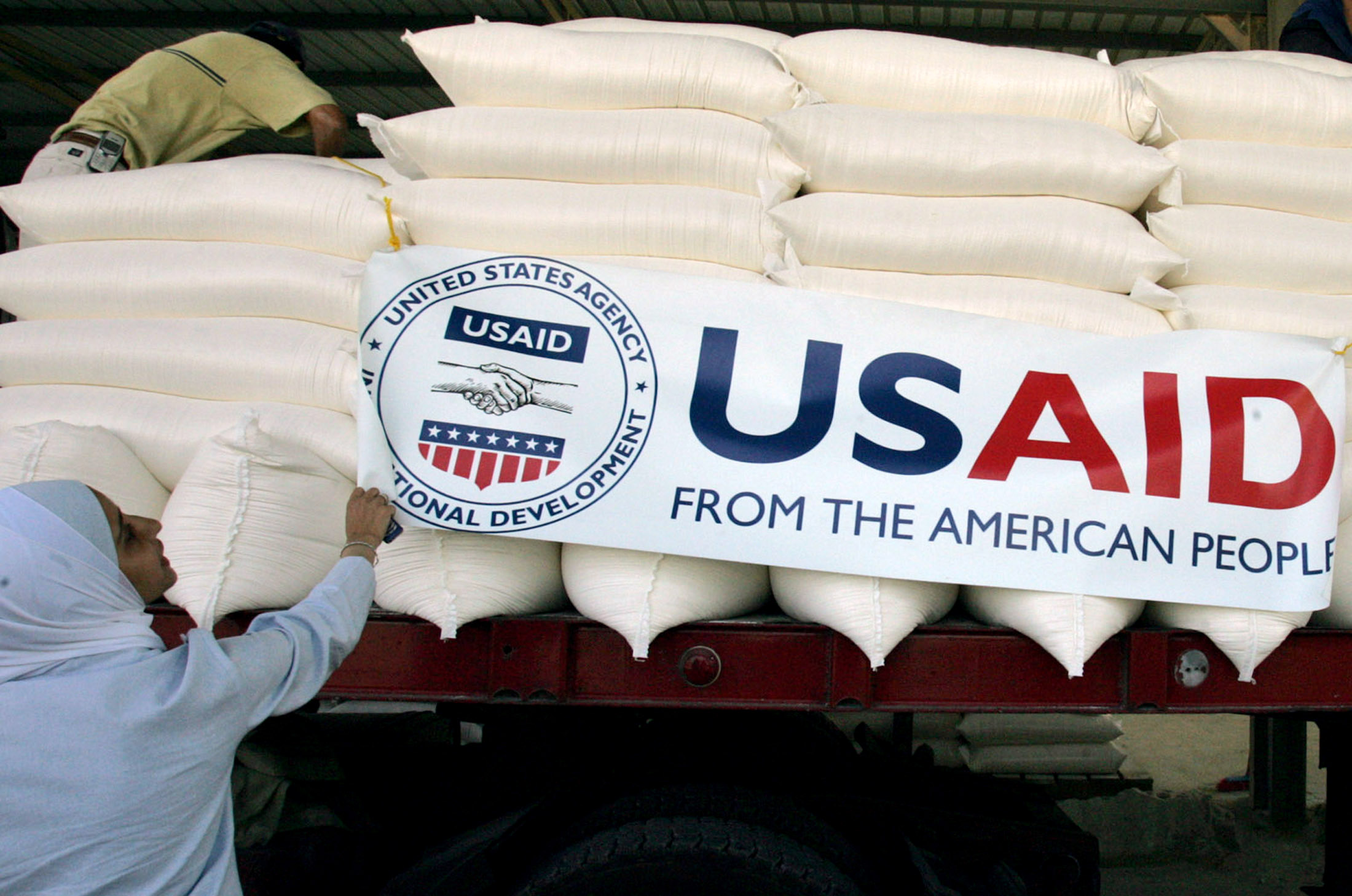
USAID Faces Criticism for Foreign Aid Expenditure: A Global Conundrum
As the world's largest international development agency, USAID has been at the forefront of providing humanitarian assistance and development aid to over 100 countries since its inception in 1961. With an annual budget of over $40 billion, USAID plays a vital role in addressing some of the world's most pressing development challenges, including poverty, inequality, and disease. However, despite its laudable efforts, USAID has faced growing criticism in recent years for its foreign aid expenditure, with many questioning the effectiveness and efficiency of its operations.
One of the primary concerns surrounding USAID's foreign aid expenditure is the lack of transparency and accountability in its operations. Many critics argue that USAID's complex and bureaucratic structure, which includes a multitude of programs and offices, creates an environment in which wasteful spending and misallocated resources can thrive. Furthermore, the agency's reliance on congressional appropriations can lead to a lack of long-term planning and strategic direction, resulting in a fragmented and ineffective response to global development challenges.
Another area of criticism surrounding USAID's foreign aid expenditure is the agency's reliance on foreign contractors and partners. While partnerships with local organizations and governments are essential to achieving development goals, many critics argue that USAID's reliance on foreign contractors has led to a lack of accountability and oversight. This has resulted in allegations of corruption and mismanagement, with some critics suggesting that USAID's contracts with foreign contractors are opaque and lacking in transparency.
The Role of USAID in Global Development
USAID plays a critical role in addressing some of the world's most pressing development challenges, including poverty, inequality, and disease. The agency's programs and operations are focused on promoting economic growth, improving access to healthcare and education, and enhancing food security. However, despite its laudable efforts, USAID's foreign aid expenditure has been the subject of growing criticism in recent years.
Key Areas of Focus
- Poverty Reduction: USAID has implemented a range of programs aimed at reducing poverty, including the Feed the Future initiative, which provides support to smallholder farmers in developing countries.
- Global Health: USAID has been a leader in global health efforts, including the fight against HIV/AIDS, malaria, and tuberculosis.
- Education: USAID has implemented programs aimed at improving access to education, including the Learning Initiative, which provides support to schools and educational institutions in developing countries.
Effectiveness and Efficiency
Despite its efforts, USAID's foreign aid expenditure has been criticized for its lack of effectiveness and efficiency. Many critics argue that the agency's programs and operations are often duplicated or redundant, resulting in wasted resources and a lack of impact on the ground. Furthermore, the agency's reliance on foreign contractors and partners has led to allegations of corruption and mismanagement.
The Need for Reform
Given the growing criticism surrounding USAID's foreign aid expenditure, there is a growing need for reform and oversight. This could include increasing transparency and accountability in USAID's operations, improving the efficiency and effectiveness of its programs and operations, and strengthening its partnerships with local organizations and governments.
The Impact of Criticism on USAID's Operations
The criticism surrounding USAID's foreign aid expenditure has had a significant impact on the agency's operations. Many critics argue that the agency's reputation and credibility have been damaged by the allegations of corruption and mismanagement, which have led to a decline in public support and trust.
The Consequences of Criticism
- Reduced Funding: The criticism surrounding USAID's foreign aid expenditure has led to reduced funding for the agency, which has resulted in a decline in its ability to address global development challenges.
- Decreased Public Support: The allegations of corruption and mismanagement have led to a decline in public support and trust for USAID, which has resulted in a decrease in public engagement and participation.
- Difficulty in Attracting Talent: The criticism surrounding USAID's foreign aid expenditure has made it difficult for the agency to attract top talent and experienced professionals, which has resulted in a decline in its ability to deliver effective programs and operations.
The Future of USAID's Foreign Aid Expenditure
As the criticism surrounding USAID's foreign aid expenditure continues to grow, the agency will need to take a number of steps to address the concerns of critics and improve its operations. This could include increasing transparency and accountability in its operations, improving the efficiency and effectiveness of its programs and operations, and strengthening its partnerships with local organizations and governments.
Steps for Reform
- Increase Transparency and Accountability: USAID will need to increase transparency and accountability in its operations, including the publication of annual reports and the disclosure of contracts and partnerships.
- Improve Efficiency and Effectiveness: USAID will need to improve the efficiency and effectiveness of its programs and operations, including the elimination of redundant or duplicated programs and the strengthening of partnerships with local organizations and governments.
- Strengthen Partnerships: USAID will need to strengthen its partnerships with local organizations and governments, including the development of more effective and sustainable partnerships that prioritize the needs and priorities of local communities.
Conclusion
The criticism surrounding USAID's foreign aid expenditure is a complex and multifaceted issue that requires a comprehensive and sustained response. By increasing transparency and accountability in its operations, improving the efficiency and effectiveness of its programs and operations, and strengthening its partnerships with local organizations and governments, USAID can improve its operations and deliver more effective programs and services to those in need.
Recent Post
Unlocking The Secrets Of Menopause: Expert Insights On Navigating Life After 40 With Paolo Tantoco
Tensions Rise As Trump Officials Defend Tariffs Amid Market Volatility And Warnings For Savers And Retirees
Rosie O'Donnell Teases Trump Move, Posts Disruptive Selfie From Abroad
Wings For The Win: Capitals Edge Ducks 7-4 In Thrilling Matchup
Ducks Fall Short: Key Takeaways From Thrilling 7-4 Loss To Capitals
Article Recommendations
- Honey Toon: The Ultimate Animated Marketing Tool For Businesses
- Uncover The Secrets To Local Google Ranking Success: A Comprehensive Guide
- Nikki Catsouras: The Tragic Story Of The Unedited Death Tape