The Crushing Burden of Debt: Unpacking the US National Debt Crisis
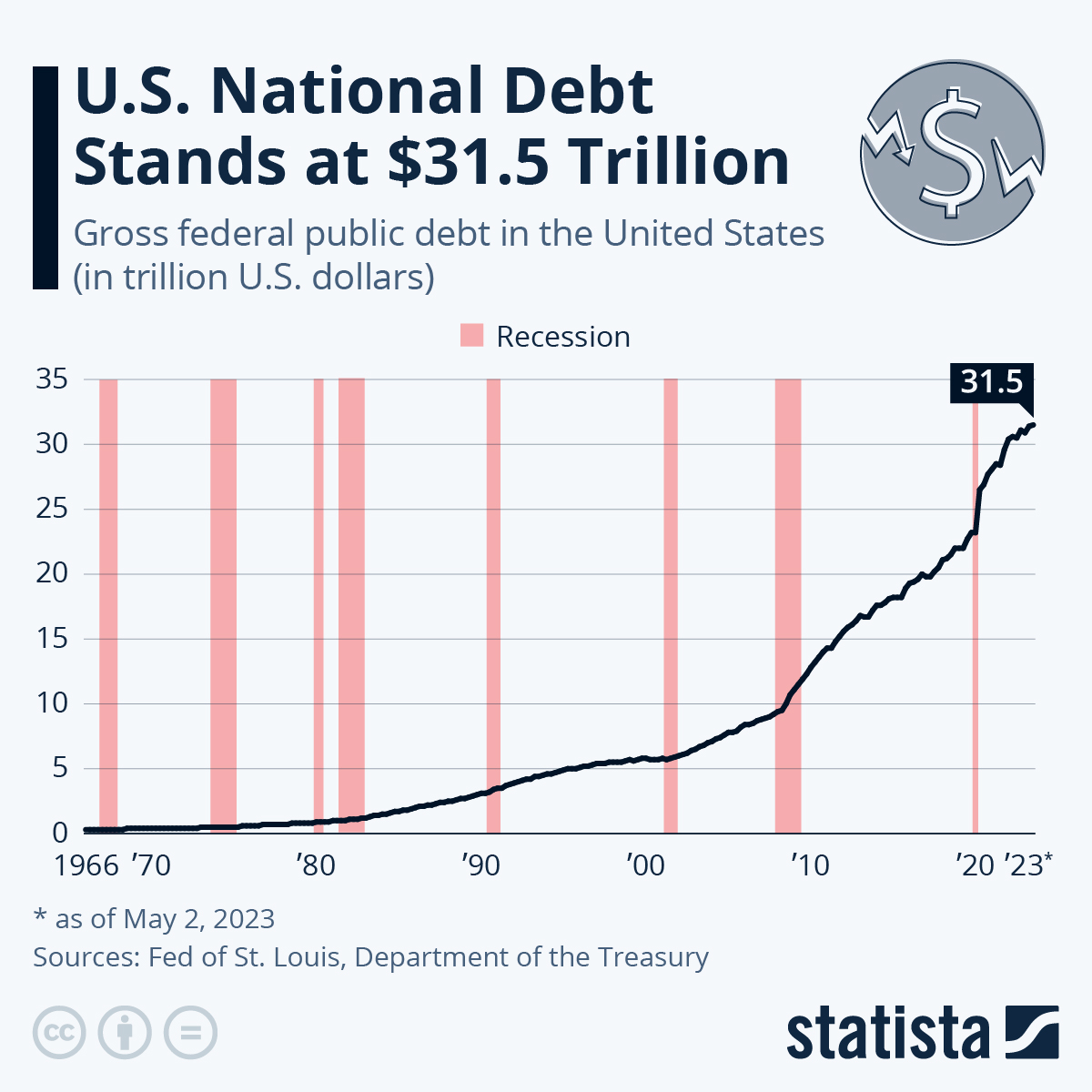
The United States is no stranger to economic downturns, but few crises have had as profound an impact on the nation's financial health as the national debt. With a staggering national debt of over $28 trillion, the US is facing a daunting challenge that threatens the very foundations of its economy. In this article, we will delve into the causes, consequences, and potential solutions to the national debt crisis, providing a comprehensive understanding of this complex issue.
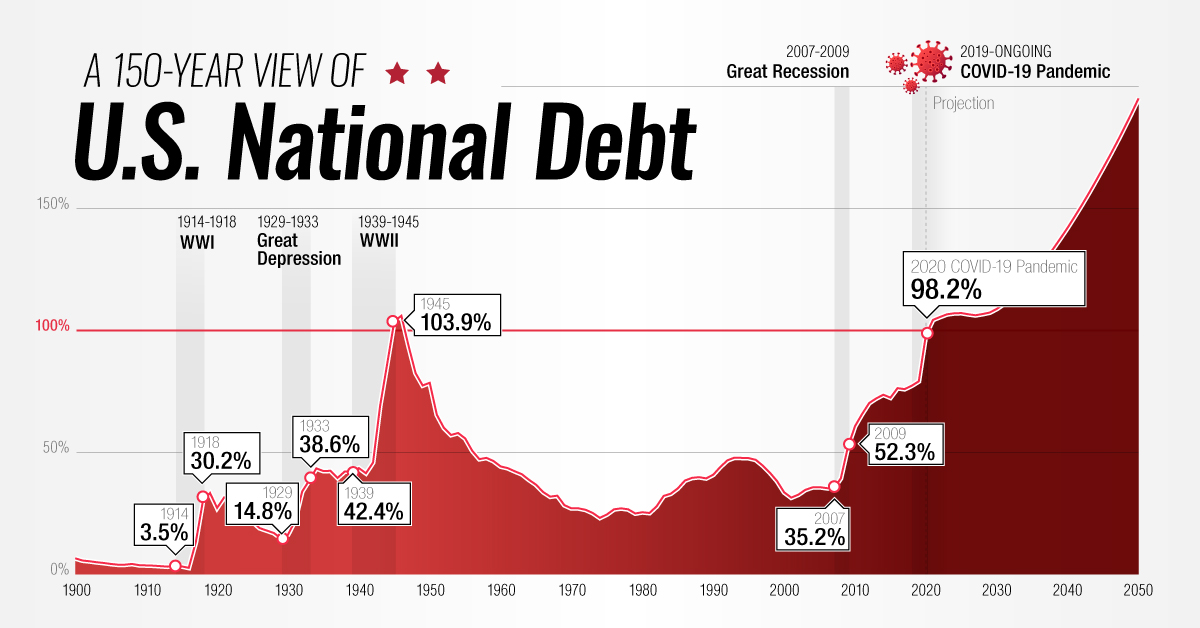
The national debt has been a persistent problem in the US for decades, but it has accelerated in recent years under the weight of rising government spending, decreasing tax revenues, and a surge in entitlement programs. The current debt ceiling of $28.4 trillion is a significant increase from the $17.3 trillion in 2010, and it represents a whopping 104% of the country's GDP. This has serious implications for the nation's economic stability, as the increased borrowing costs and reduced ability to respond to economic downturns can lead to a loss of investor confidence, reduced economic growth, and increased unemployment.
Understanding the Sources of the National Debt
The national debt is comprised of several key components, including:
- Sovereign Debt: This refers to the amount of debt owed by the US government to its citizens, other governments, and international organizations. Sovereign debt includes Treasury bills, bonds, and other securities issued by the government to finance its operations.
- Entitlement Programs: These programs include Social Security, Medicare, Medicaid, and other government-funded entitlements that provide essential services to citizens. Entitlement programs account for a significant portion of the national debt, as they are projected to increase in cost over the coming decades.
- Military Spending: The US spends a staggering amount on military operations, personnel, and equipment, which contributes significantly to the national debt. Military spending is not only a major driver of the national debt but also has implications for the country's economic stability and global security.
The Impact of Entitlement Programs on the National Debt
Entitlement programs are a major contributor to the national debt, and their growth is projected to continue in the coming decades. The largest entitlement programs in the US include:
- Social Security: With over 64 million beneficiaries, Social Security is the largest entitlement program in the US. The program's trust funds are projected to be depleted by 2035, requiring the government to either increase taxes or cut benefits.
- Medicare: With over 60 million beneficiaries, Medicare is the second-largest entitlement program in the US. The program's growth is projected to continue, with the estimated cost of the program increasing from $1.3 trillion in 2020 to $1.8 trillion by 2030.
- Medicaid: With over 80 million beneficiaries, Medicaid is a critical safety net program that provides healthcare services to low-income individuals and families. The program's growth is projected to continue, with the estimated cost of the program increasing from $643 billion in 2020 to $1.1 trillion by 2030.
The Consequences of Unchecked Entitlement Program Growth
The growth of entitlement programs has significant implications for the nation's economic stability and long-term fiscal sustainability. If left unchecked, entitlement programs could lead to:
- Increased Taxes: To finance growing entitlement programs, the government may be forced to increase taxes, which could lead to reduced economic growth, increased unemployment, and decreased consumer spending.
- Reduced Economic Growth: The increased burden of entitlement programs could lead to reduced economic growth, as the government devotes more resources to financing these programs rather than investing in infrastructure, education, and innovation.
- Inflation: The increased demand for goods and services could lead to higher inflation, as the government prints more money to finance its operations.
The Role of Interest Rates in the National Debt Crisis
Interest rates play a critical role in the national debt crisis, as they determine the cost of borrowing for the government. When interest rates rise, the cost of borrowing increases, leading to a decrease in the government's ability to respond to economic downturns and an increase in the national debt.
- The Impact of Rising Interest Rates: Rising interest rates can lead to a decrease in the value of the dollar, increased borrowing costs, and reduced economic growth.
- The Impact of Low Interest Rates: Low interest rates can lead to increased borrowing, reduced economic growth, and inflation.
The Impact of Low Interest Rates on the National Debt
Low interest rates have a significant impact on the national debt, as they make borrowing cheaper and increase the government's ability to finance its operations. However, low interest rates also have implications for the nation's economic stability, as they can lead to:
- Inflation: The increased demand for goods and services could lead to higher inflation, as the government prints more money to finance its operations.
- Reduced Economic Growth: The increased borrowing and reduced interest rates could lead to reduced economic growth, as the government devotes more resources to financing its operations rather than investing in infrastructure, education, and innovation.
The Potential Solutions to the National Debt Crisis
The national debt crisis is a complex issue that requires a comprehensive solution. Some potential solutions include:
- Tax Reform: Tax reform could help reduce the national debt by increasing tax revenues and reducing tax evasion.
- Entitlement Program Reform: Entitlement program reform could help reduce the national debt by increasing efficiency, reducing waste, and promoting fiscal sustainability.
- Increased Defense Spending: Increased defense spending could help reduce the national debt by reducing the budget deficit and increasing economic growth.
The Importance of Fiscal Discipline
Fiscal discipline is critical to addressing the national debt crisis. Fiscal discipline involves maintaining a balanced budget, reducing spending, and increasing revenue. Some ways to achieve fiscal discipline include:
- Reducing Spending: Reducing spending can help reduce the national
Recent Post
Unlocking The Secrets Of Menopause: Expert Insights On Navigating Life After 40 With Paolo Tantoco
Tensions Rise As Trump Officials Defend Tariffs Amid Market Volatility And Warnings For Savers And Retirees
Rosie O'Donnell Teases Trump Move, Posts Disruptive Selfie From Abroad
Wings For The Win: Capitals Edge Ducks 7-4 In Thrilling Matchup
Ducks Fall Short: Key Takeaways From Thrilling 7-4 Loss To Capitals
Article Recommendations
- Metro Boomin's Remarkable Stature: Uncovering The Producer's Towering Presence
- Unveiling The Enchanting Visual Mastery Of Billie Eilish: A Photographic Journey
- Brandon David Jackson: The Journey Of A Rising Star