US Jobs Report: The Numbers Are IN – Are We Headed for a Recession?
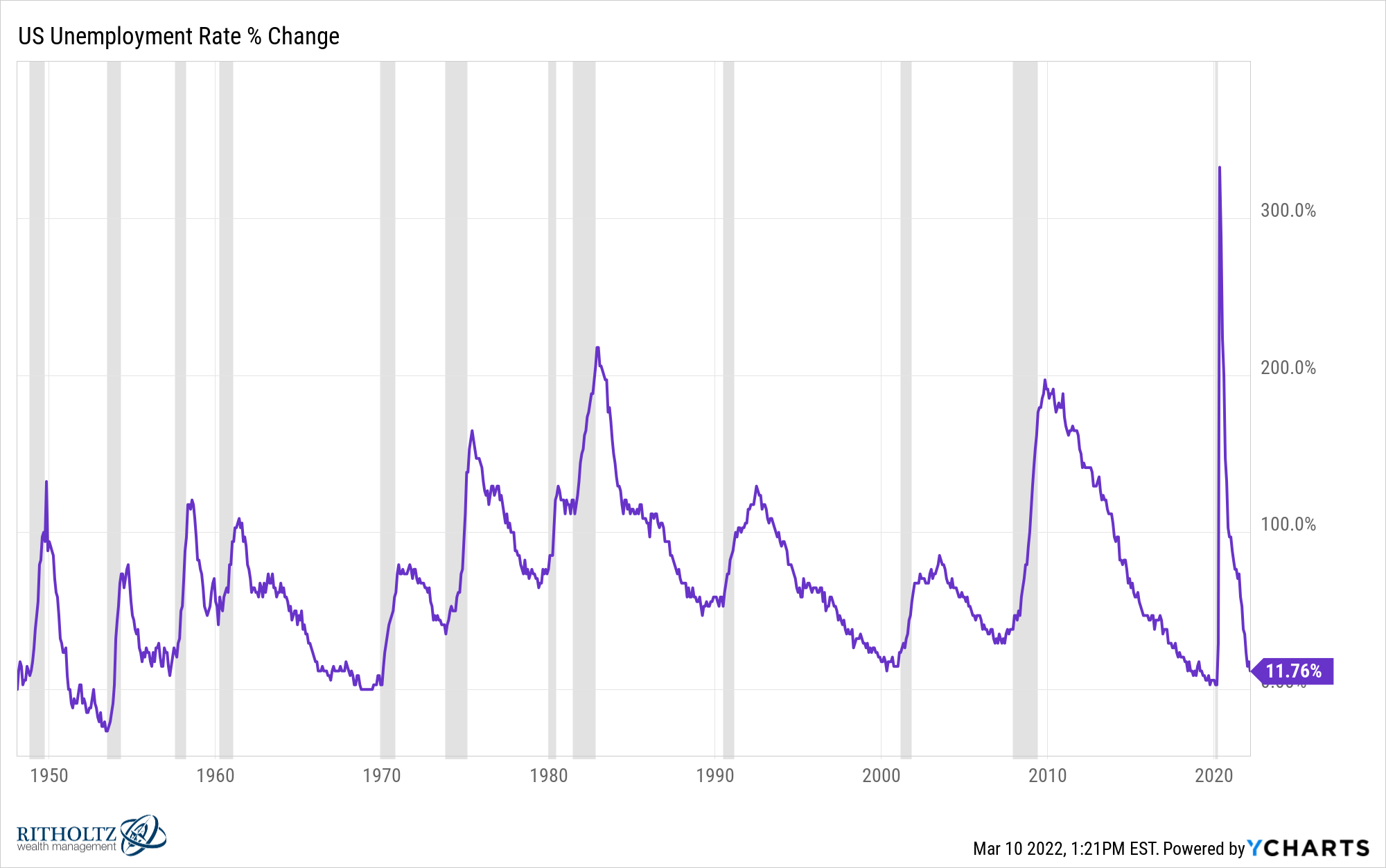
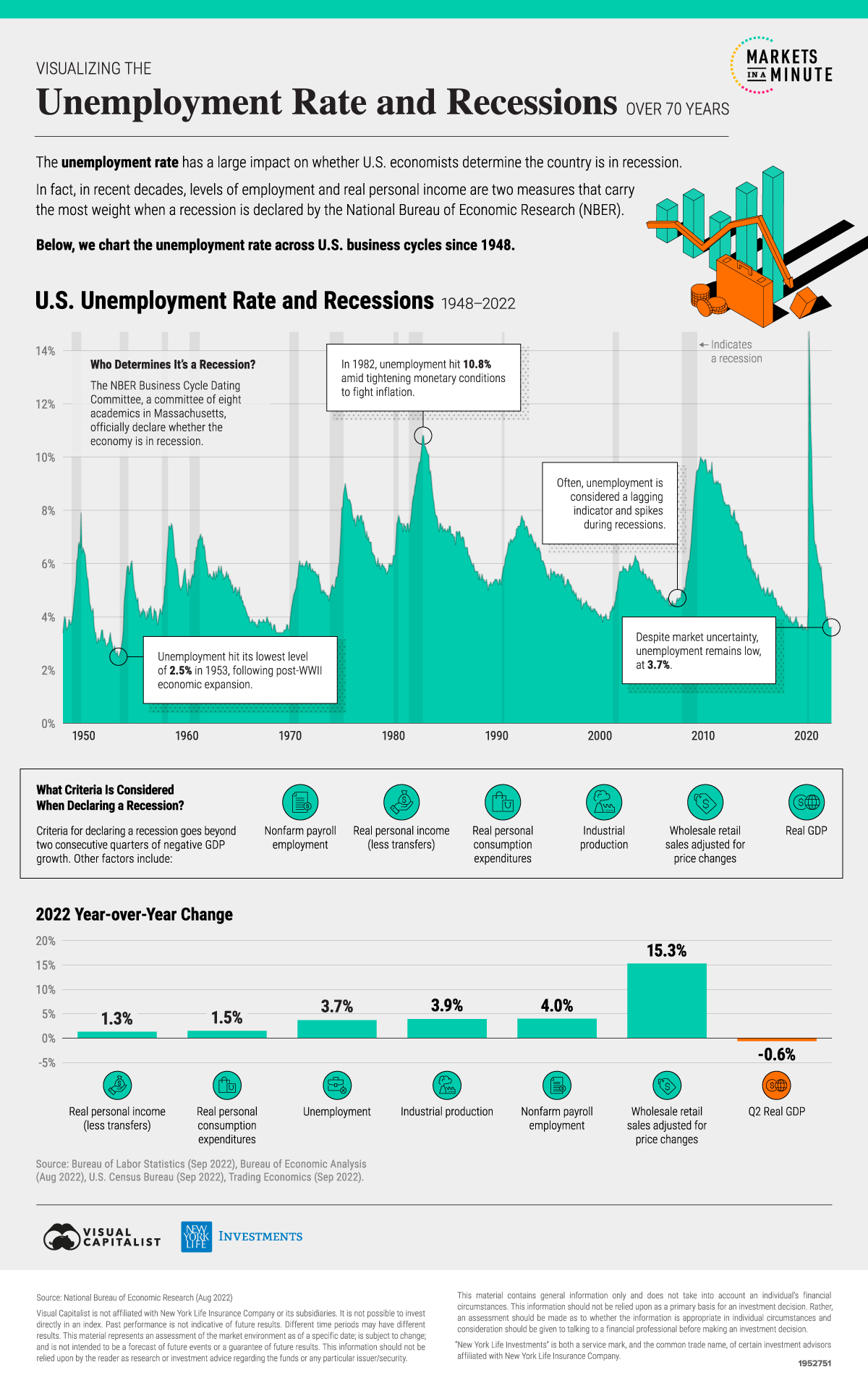
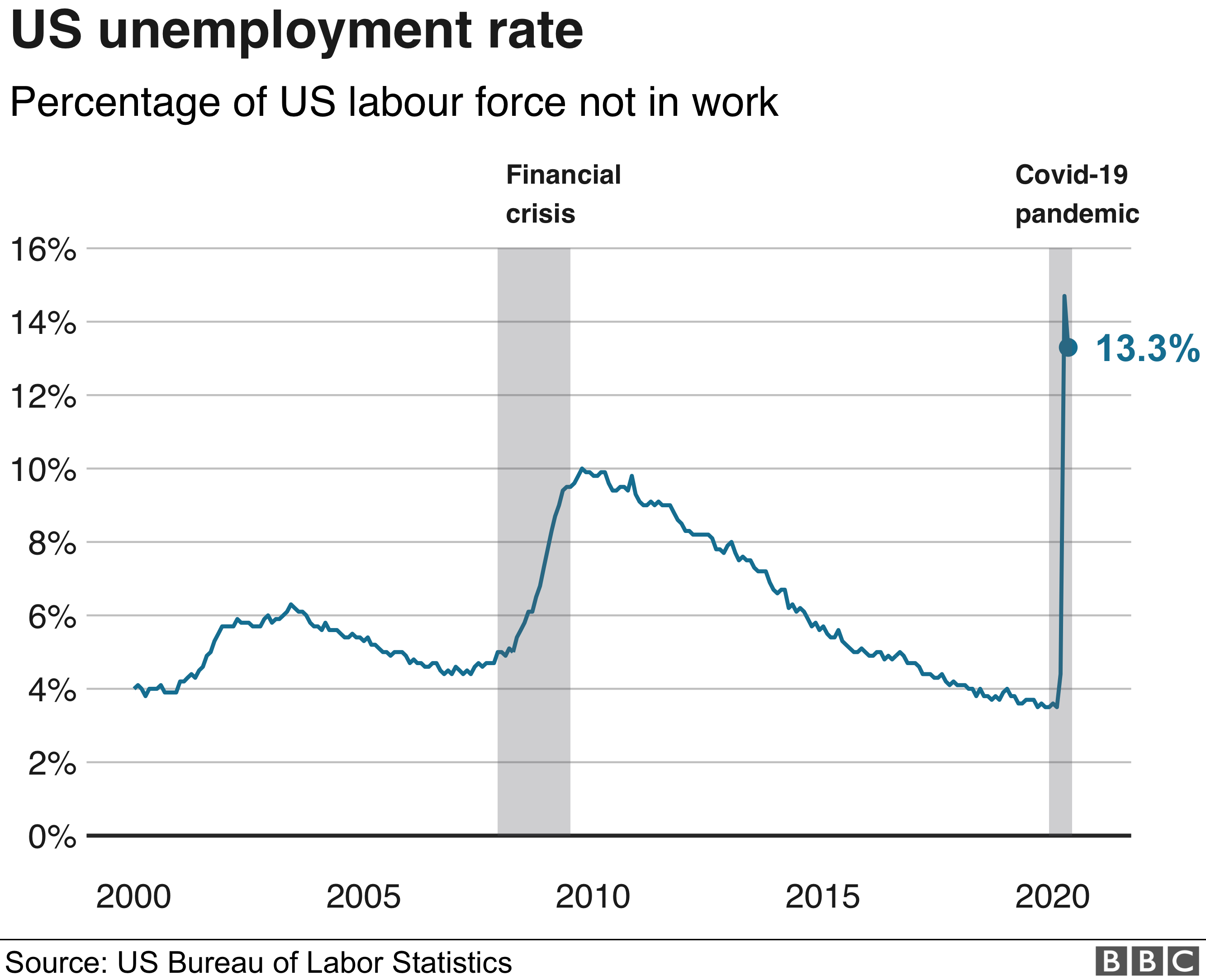
The latest US jobs report has finally arrived, and with it, a flurry of questions and concerns about the state of the economy. The unemployment rate, while still a concern, showed a slight dip in February, but the overall trend is far from reassuring. As the numbers indicate, are we headed for a recession? Let's dive into the details of the report and explore what they mean for the future of the US economy.
The US economy has been on a rollercoaster ride lately, with periods of slow growth and increased uncertainty. The ongoing trade tensions, coupled with the rising national debt and stagnant wages, have all contributed to a sense of unease among economists and policymakers. However, the latest jobs report suggests that the economy is still showing some resilience, at least for now. With a total of 193,000 new jobs added in February, the unemployment rate dipped to 3.6%, the lowest level in over 50 years.
The Good, the Bad, and the Ugly: Breaking Down the Numbers
- The overall unemployment rate dropped to 3.6%, down from 3.7% in January.
- The number of unemployed individuals rose by 133,000 to 6.3 million.
- The labor force participation rate remained steady at 63.4%.
- The average hourly earnings for all employees on private nonfarm payrolls increased by 3.2% over the past 12 months.
A Closer Look at the Unemployment Rate
The unemployment rate, a widely watched indicator of the health of the economy, has been steadily declining over the past decade. However, despite this progress, it remains a concern for many Americans. The number of unemployed individuals rose by 133,000 in February, a slight increase from the previous month. This uptick can be attributed to various factors, including the rise of low-wage jobs and the decline of full-time employment.
The Rise of Low-Wage Jobs
- The number of low-wage jobs, defined as those paying less than $20 per hour, increased by 1.3 million over the past year.
- These jobs accounted for 43% of all new jobs added in February.
- The median earnings for these jobs remained stagnant, with wages increasing by only 1.4% over the past 12 months.
The Decline of Full-Time Employment
- The number of full-time jobs decreased by 121,000 in February, a decline of 0.3%.
- This decrease was largely driven by the decline of white-collar jobs, including those in management, business, and financial operations.
- The average hourly earnings for these jobs decreased by 2.1% over the past 12 months.
Industry-Specific Job Trends
The latest jobs report also provides insight into job trends across various industries. While some sectors are showing signs of growth, others are struggling to recover from the economic downturn.
The Job Market in Manufacturing
- The manufacturing sector added 13,000 new jobs in February, a modest increase from the previous month.
- This growth can be attributed to the ongoing efforts to boost domestic production and reduce reliance on foreign imports.
- However, the sector remains plagued by low wages and limited benefits, making it challenging for workers to improve their economic situation.
The Job Market in Healthcare
- The healthcare sector added 24,000 new jobs in February, a significant increase from the previous month.
- This growth can be attributed to the ongoing healthcare reforms and the increasing demand for medical services.
- However, the sector remains highly competitive, with many employers offering low wages and limited benefits.
The Recession Risk: Is the US Economy Headed for Trouble?
While the latest jobs report suggests that the economy is still showing some resilience, there are signs that the US economy may be heading towards a recession. The rising national debt, stagnant wages, and ongoing trade tensions all contribute to a sense of unease among economists and policymakers.
The National Debt: A Growing Concern
- The national debt has surpassed $23 trillion, a record high.
- This debt is putting pressure on the government to increase taxes, reduce spending, or implement austerity measures.
- A recession could exacerbate this issue, leading to a sharp increase in unemployment and a decline in economic output.
Stagnant Wages: A Barrier to Economic Growth
- The median earnings for all employees on private nonfarm payrolls have increased by only 3.2% over the past 12 months.
- This stagnation can be attributed to the rise of low-wage jobs and the decline of full-time employment.
- A recession could worsen this trend, leading to increased poverty and income inequality.
Ongoing Trade Tensions: A Threat to Economic Growth
- The ongoing trade tensions between the US and China have been ongoing for months.
- These tensions have contributed to a decline in consumer confidence and a slowdown in economic growth.
- A recession could be triggered by these tensions, leading to a sharp decline in economic output.
Conclusion
The latest US jobs report has provided a mixed bag of news, with some positive indicators and others that are more concerning. While the unemployment rate dipped to 3.6%, the number of unemployed individuals rose by 133,000, and the labor force participation rate remained steady. The rise of low-wage jobs and the decline of full-time employment are also cause for concern. As we look to the future, it's clear that the US economy is facing a number of challenges, including the rising national debt, stagnant wages, and ongoing trade tensions. While a recession is not imminent, it's clear that the economy is vulnerable to a downturn.
Recent Post
Unlocking The Secrets Of Menopause: Expert Insights On Navigating Life After 40 With Paolo Tantoco
Tensions Rise As Trump Officials Defend Tariffs Amid Market Volatility And Warnings For Savers And Retirees
Rosie O'Donnell Teases Trump Move, Posts Disruptive Selfie From Abroad
Wings For The Win: Capitals Edge Ducks 7-4 In Thrilling Matchup
Ducks Fall Short: Key Takeaways From Thrilling 7-4 Loss To Capitals
Article Recommendations
- Unveiling The Enigmatic Charm Of Mara Corday: From Hollywood Starlet To Mysterious Icon
- Rebbie Jackson: A Lifetime Of Music, Family, And Fame
- Unlock Your Local SEO Prowess With The Localeo Rank Checker