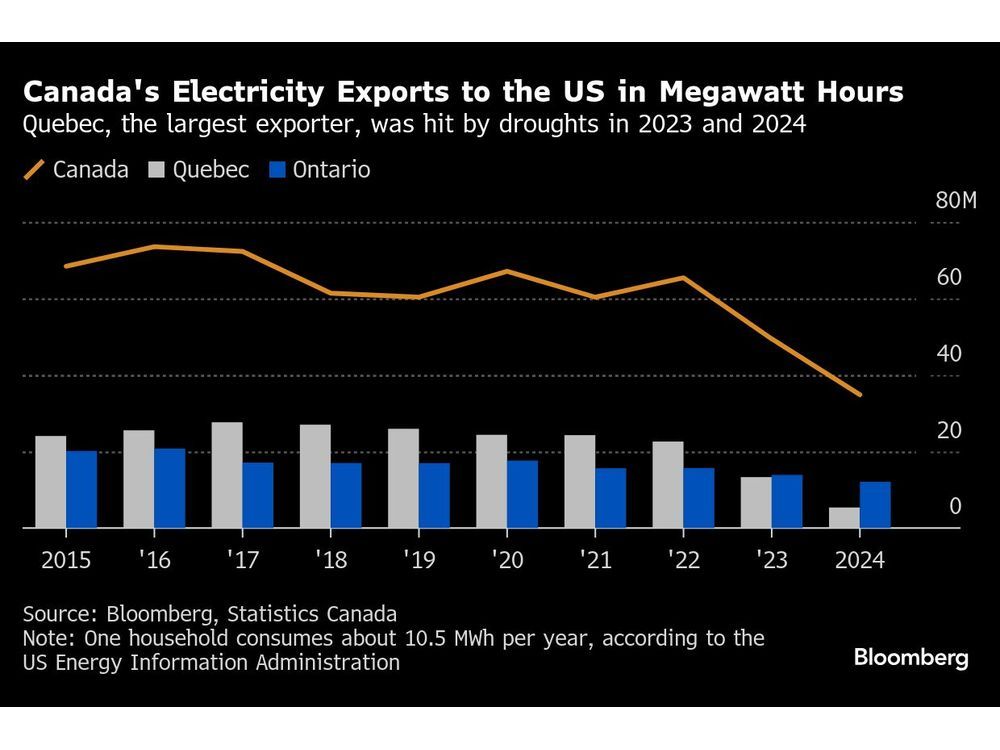
US Power Grids Turbulent After Canadian Hydropower Boost: A Shifting Energy Landscape
The power grid of the United States has been facing an unprecedented surge in electricity demand in recent years, particularly with the increasing adoption of renewable energy sources. However, the recent boost in hydropower from Canada has added a new layer of complexity to the already turbulent US power grid. This article will delve into the impact of the Canadian hydropower surge on the US power grid, exploring the causes, consequences, and potential solutions to this energy conundrum.
The US power grid has been experiencing a period of significant stress in recent years, driven by a combination of factors including growing demand for electricity, limited generation capacity, and aging infrastructure. The increasing adoption of renewable energy sources such as solar and wind power has also put pressure on the grid, as these intermittent sources require sophisticated balancing mechanisms to ensure a stable supply of electricity.
One of the key drivers of the US power grid's stress is the significant increase in electricity demand from the residential and commercial sectors. According to the US Energy Information Administration, electricity demand in the US has been growing at an annual rate of 1.3% since 2010, with the residential sector accounting for the largest share of this growth. As a result, grid operators have been facing significant challenges in meeting this growing demand, particularly during periods of high electricity demand.
On the other hand, the Canadian hydropower sector has been experiencing a surge in generation capacity in recent years, driven by a combination of factors including increasing demand for renewable energy, aging infrastructure, and significant investments in new generation capacity. The Canadian hydropower sector has been a major player in the North American energy market, with a significant share of the continent's total hydropower generation capacity.
The recent boost in Canadian hydropower exports has had a significant impact on the US power grid, particularly in the Pacific Northwest region. The region has seen a significant increase in hydropower exports to the US, driven by the implementation of new transmission infrastructure and the signing of power purchase agreements. This surge in hydropower exports has led to a reduction in the region's electricity demand, which has in turn reduced the stress on the grid.
Causes of the Turbulence in the US Power Grid
The turbulence in the US power grid can be attributed to a combination of factors, including:
- Growing electricity demand from the residential and commercial sectors
- Limited generation capacity in the US
- Aging infrastructure in the US power grid
- Increasing adoption of renewable energy sources
- Significant increase in hydropower exports from Canada
These factors have combined to create a complex and dynamic energy landscape, with the US power grid facing significant challenges in meeting growing demand and balancing supply and demand.
Impact on the Eastern Seaboard
The impact of the Canadian hydropower surge on the US power grid has been particularly significant on the Eastern Seaboard. The region has seen a significant reduction in electricity demand, driven by the increased hydropower exports to the US. This reduction in demand has led to a reduction in the stress on the grid, particularly during periods of high electricity demand.
However, the impact of the Canadian hydropower surge on the Eastern Seaboard has also been significant in terms of the environmental impact. The increased hydropower exports have led to a reduction in greenhouse gas emissions from the US power sector, as well as a reduction in the environmental impact of fossil fuel generation.
Impact on the Western Seaboard
The impact of the Canadian hydropower surge on the Western Seaboard has been significant, particularly in terms of the impact on the grid's stress levels. The region has seen a significant increase in hydropower exports to the US, driven by the implementation of new transmission infrastructure and the signing of power purchase agreements.
However, the impact of the Canadian hydropower surge on the Western Seaboard has also been significant in terms of the environmental impact. The increased hydropower exports have led to a reduction in greenhouse gas emissions from the US power sector, as well as a reduction in the environmental impact of fossil fuel generation.
Impact on Renewable Energy Integration
The impact of the Canadian hydropower surge on the US power grid has also been significant in terms of the integration of renewable energy sources. The increased hydropower exports have led to a reduction in the need for renewable energy, particularly in the Pacific Northwest region.
However, the impact of the Canadian hydropower surge on the integration of renewable energy sources has also been significant in terms of the development of new renewable energy infrastructure. The increased hydropower exports have led to a reduction in the demand for renewable energy, driving the development of new renewable energy infrastructure in other regions of the US.
Solutions to the Turbulence in the US Power Grid
The turbulence in the US power grid can be addressed through a combination of short-term and long-term solutions. Some of the potential solutions include:
- Investing in new generation capacity, particularly in the renewable energy sector
- Upgrading and modernizing the US power grid infrastructure
- Implementing new balancing mechanisms to ensure a stable supply of electricity
- Increasing energy storage capacity to address the intermittency of renewable energy sources
These solutions will require significant investment and coordination, particularly in terms of developing new renewable energy infrastructure and upgrading the US power grid infrastructure.
Consequences of the Turbulence in the US Power Grid
The turbulence in the US power grid has had significant consequences, particularly in terms of the impact on the environment and the economy. Some of the potential consequences include:
- Reduced greenhouse gas emissions from the US power sector
- Reduced environmental impact of fossil fuel generation
- Increased reliability and stability of the grid
- Reduced stress on the grid, particularly during periods of high electricity demand
However, the consequences of the turbulence in the US power grid have also been significant in terms of the impact on the
Recent Post
Unlocking The Secrets Of Menopause: Expert Insights On Navigating Life After 40 With Paolo Tantoco
Tensions Rise As Trump Officials Defend Tariffs Amid Market Volatility And Warnings For Savers And Retirees
Rosie O'Donnell Teases Trump Move, Posts Disruptive Selfie From Abroad
Wings For The Win: Capitals Edge Ducks 7-4 In Thrilling Matchup
Ducks Fall Short: Key Takeaways From Thrilling 7-4 Loss To Capitals
Article Recommendations
- Meet Katy Newcombe: The SEO Wizard Behind The Success Of (Your Business Name)
- Unveiling The Age Of Joaquim Valente: A Digital Trailblazer
- Meet Linda Bazalaki: The Inspiring CEO Creating Change Through Education And Empowerment