The Constitution: Unlocking the Secrets of American Power
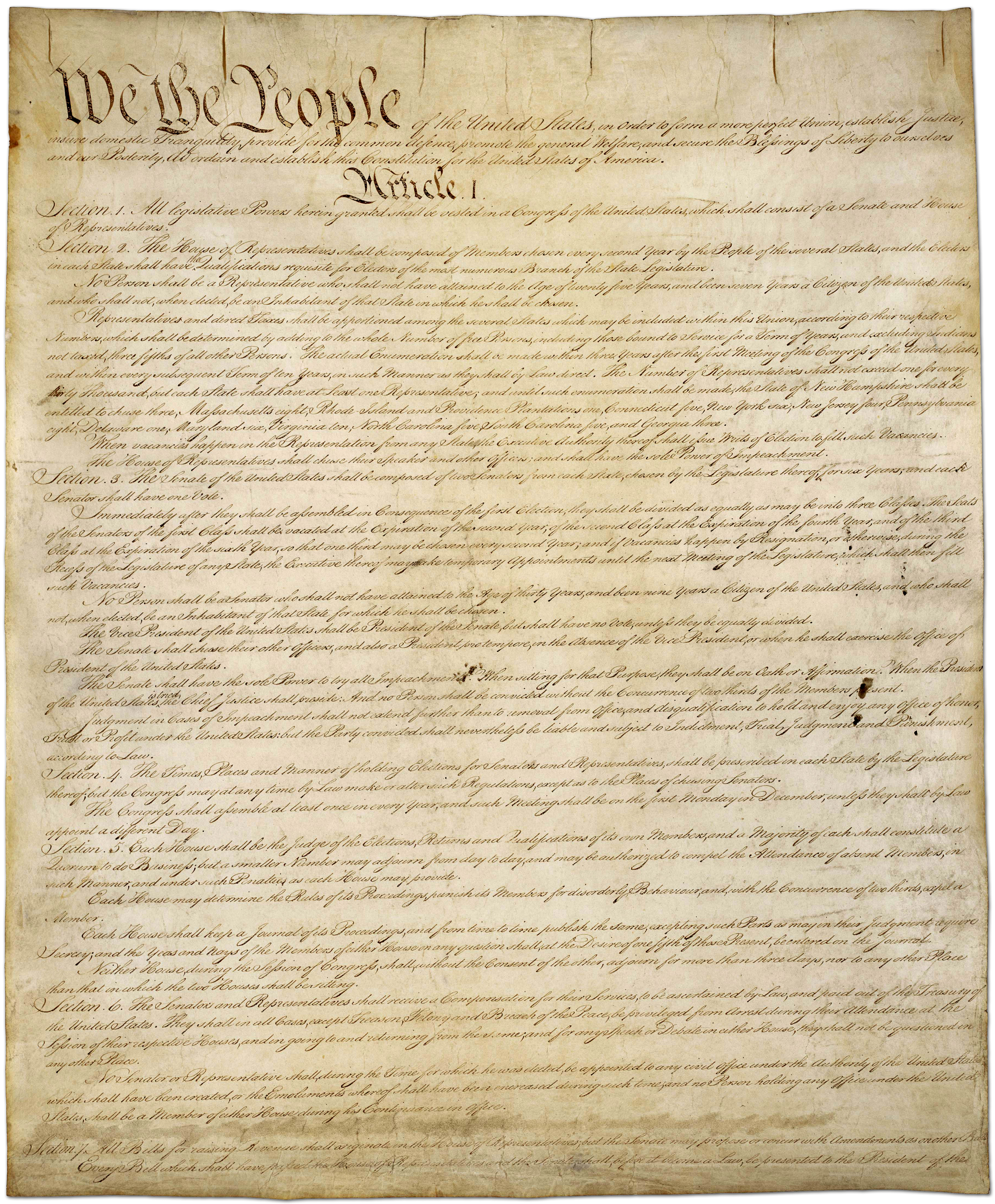
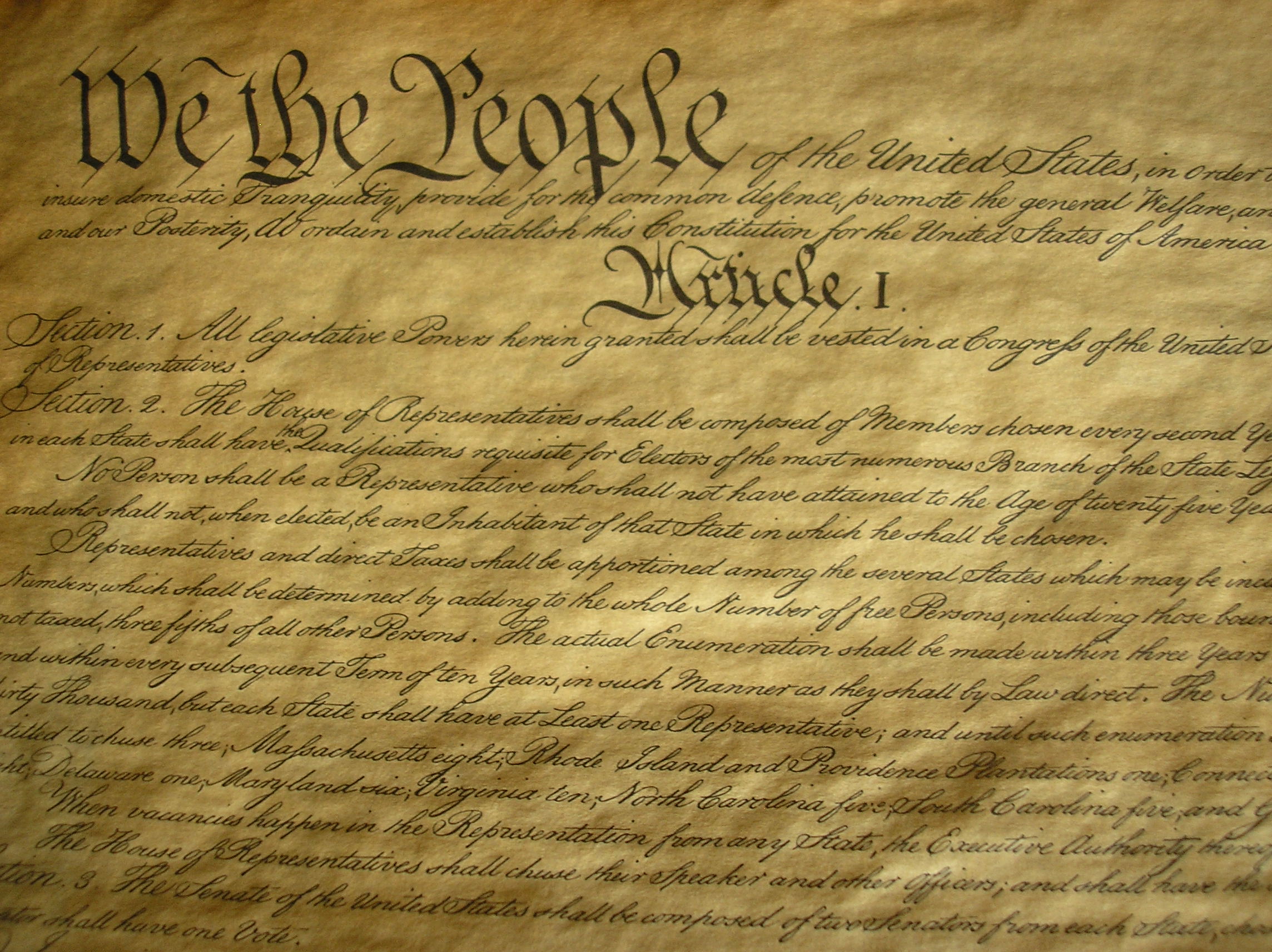
The United States Constitution is one of the most revered and influential documents in the world. Written over two centuries ago, it has shaped the course of American history and continues to play a vital role in the country's governance. At its core, the Constitution outlines the framework of the federal government, the relationship between the government and its citizens, and the rights and responsibilities of each branch of government. However, the Constitution's significance extends far beyond its formal structure, holding the key to understanding the fundamental principles of American power.
Unpacking the Constitution's Secrets: A Review of Its Provisions
The Constitution is divided into seven Articles, which collectively outline the powers and responsibilities of the federal government. Article I, also known as the Legislative Branch, sets forth the structure and powers of Congress, including the authority to declare war, regulate commerce, and impose taxes. Article II, the Executive Branch, outlines the powers and responsibilities of the President, including the command of the military, the power to negotiate treaties, and the authority to appoint federal officials.
The Constitution's unique structure and system of checks and balances are designed to prevent any one branch of government from becoming too powerful. This system, which includes the separation of powers, the balance of powers, and the system of federalism, provides a foundation for the country's stability and democracy. By understanding the Constitution's provisions, Americans can gain a deeper appreciation for the complexities and nuances of American power.
The Original Intentions of the Constitution's Founders
The Constitution's founders, including George Washington, James Madison, and Benjamin Franklin, were instrumental in shaping the document's contents. Their original intentions were to create a system of government that would balance individual rights and freedoms with the needs of the state. They drew inspiration from the British system of government, as well as Enlightenment ideas about liberty and democracy.
The Constitution's founders also grappled with the challenges of creating a new nation. They had to navigate the complexities of colonialism, the ongoing struggles of the American Revolution, and the need to establish a new government that would endure for generations. Their experiences and perspectives shaped the Constitution's provisions, including the concept of federalism, the separation of powers, and the protection of individual rights.
Understanding the Constitution's Historical Context
The Constitution was drafted and ratified in the late 18th century, a time of great social, economic, and cultural change. The American Revolution had just ended, and the young nation was struggling to establish its identity. The Constitution's founders drew on a range of historical influences, including the writings of Enlightenment thinkers, the British system of government, and the ideas of the American Revolution.
The Constitution's historical context is also marked by the ongoing debates over issues such as slavery, women's rights, and the role of the federal government. These debates continue to shape American politics and society today, and understanding the Constitution's historical context is essential for understanding the ongoing debates over its interpretation and application.
The Constitution's Impact on American Society
The Constitution has had a profound impact on American society, shaping the country's laws, institutions, and culture. Its provisions have been the subject of countless court cases, legislation, and executive orders, and continue to influence American politics and society today.
The Constitution's impact can be seen in the country's system of government, which is designed to balance individual rights and freedoms with the needs of the state. It has also shaped the country's social and cultural norms, including the rights of women, the protection of minority groups, and the role of the federal government in regulating the economy.
The Constitution's influence can be seen in various aspects of American life, including:
• The Bill of Rights, which guarantees fundamental rights and freedoms, including freedom of speech, the right to bear arms, and the right to a fair trial.
• The Commerce Clause, which gives Congress the authority to regulate interstate commerce and protect the interests of American businesses.
• The System of Federalism, which divides power between the federal government and the states, providing a framework for the country's governance.
The Constitution's Significance in Modern Times
The Constitution remains a vital and contested document in modern times, with ongoing debates over its interpretation and application. Its significance can be seen in the country's ongoing struggles over issues such as:
• The role of the federal government in regulating the economy, including issues such as healthcare, education, and taxation.
• The balance between individual rights and freedoms and the needs of the state, including debates over issues such as immigration, national security, and civil liberties.
• The ongoing debates over issues such as racial justice, women's rights, and LGBTQ+ rights, which continue to shape the country's social and cultural norms.
Understanding the Constitution's Role in American Politics
The Constitution plays a central role in American politics, shaping the country's laws, institutions, and culture. Its provisions are the subject of ongoing debates and controversies, with each branch of government seeking to assert its authority and shape the country's direction.
The Constitution's role in American politics can be seen in various aspects, including:
• The Supreme Court's role in interpreting the Constitution, including its landmark decisions on issues such as Brown v. Board of Education and Obergefell v. Hodges.
• The Federal Judiciary's role in regulating the powers of the executive and legislative branches, including its decisions on issues such as Marbury v. Madison and Buckley v. Valeo.
• The Congress's role in shaping the country's laws and policies, including its decisions on issues such as tax reform, healthcare reform, and national security policy.
Conclusion
The Constitution is a complex and multifaceted document, holding the key to understanding the fundamental principles of American power. Its unique structure and system of checks and balances provide a foundation for the country's stability and democracy, while its provisions continue to shape the country's laws, institutions, and culture.
As Americans,
Recent Post
Unlocking The Secrets Of Menopause: Expert Insights On Navigating Life After 40 With Paolo Tantoco
Tensions Rise As Trump Officials Defend Tariffs Amid Market Volatility And Warnings For Savers And Retirees
Rosie O'Donnell Teases Trump Move, Posts Disruptive Selfie From Abroad
Wings For The Win: Capitals Edge Ducks 7-4 In Thrilling Matchup
Ducks Fall Short: Key Takeaways From Thrilling 7-4 Loss To Capitals
Article Recommendations
- Discover+The+Joy+Of+Gifting%3A+Free+Crochet+Patterns+For+Loving+Aunties
- Connie Nio Case: Unraveling The Complexities Of Data Privacy In The Digital Age
- Unlock The Power Of Navigation: Sykes On Your PC Like Never Before