US Faced With Growing Global Backlash Over Human Rights Abuses & Repression
The United States, once considered a beacon of democracy and human rights, is facing a growing global backlash over its human rights abuses and repression. The country's reputation as a champion of freedom and democracy is being severely tested, with many countries and international organizations condemning its actions and policies. In this article, we will explore the growing global backlash against the US over its human rights abuses and repression, and examine the factors that are contributing to this trend.
The US has long been a leader in promoting human rights and democracy around the world. However, in recent years, its actions and policies have been increasingly criticized for violating these values. From the treatment of refugees and migrants to the suppression of dissent and opposition, the US has been accused of engaging in a wide range of human rights abuses. The country's harsh immigration policies, its treatment of indigenous peoples, and its support for authoritarian regimes are just a few examples of the human rights abuses that have been highlighted in recent years.
The global backlash against the US over its human rights abuses and repression is being driven by a number of factors. One of the main reasons is the growing awareness and recognition of human rights abuses around the world. As more people become aware of the issues and the impact of these abuses, they are speaking out and demanding action. Social media has played a key role in this, with people using platforms like Twitter and Facebook to share their stories and raise awareness about human rights issues.
Another factor contributing to the growing global backlash is the increasing global connectivity and interdependence. As the world becomes more interconnected, people are more aware of the impact of human rights abuses on a global scale. The US's actions and policies are having a ripple effect around the world, and people are demanding that the country take responsibility for its actions.
The Human Rights Abuses of the US
Treatment of Refugees and Migrants
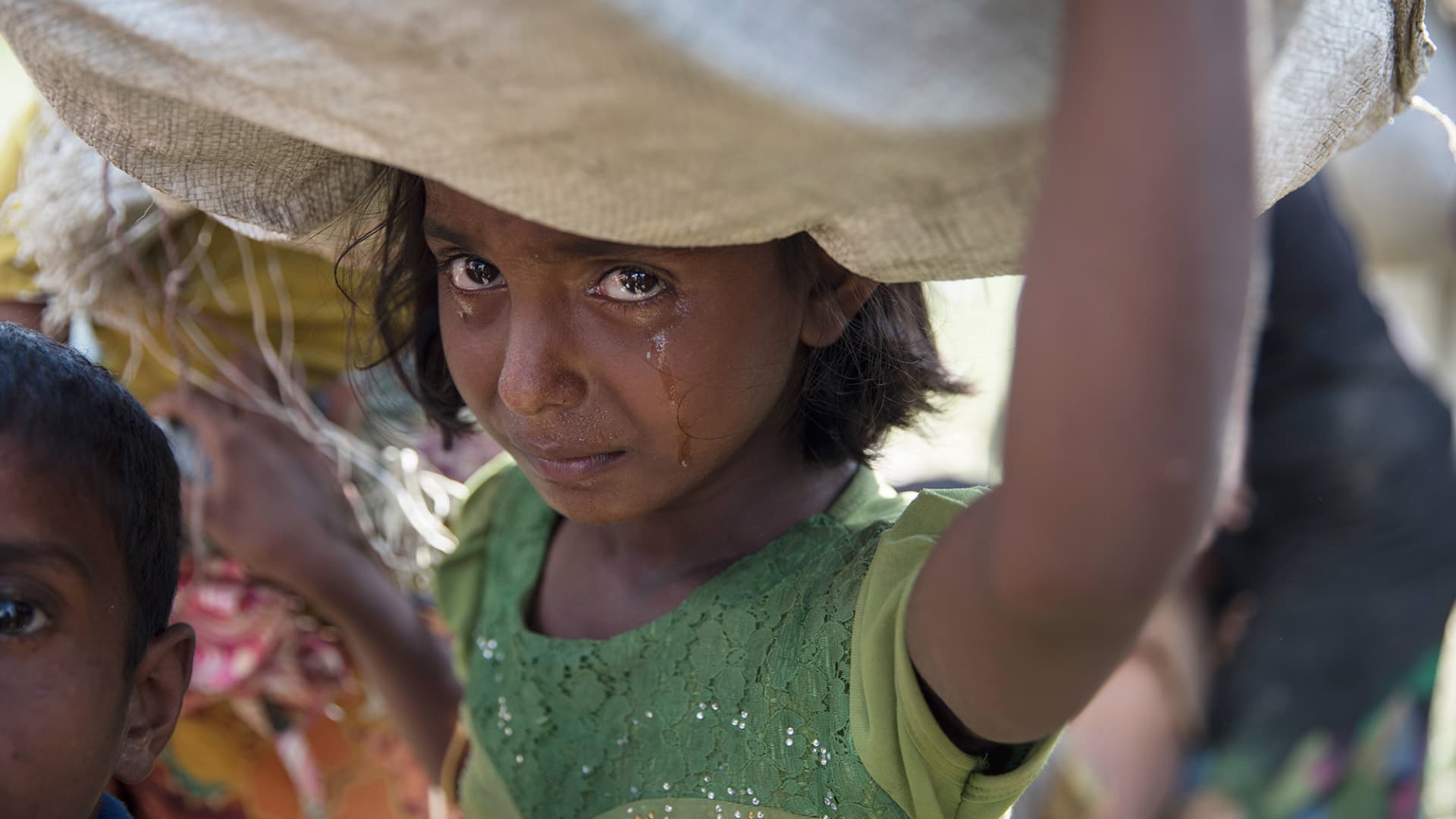
The US has been criticized for its harsh treatment of refugees and migrants. The country's immigration policies have been criticized for being overly restrictive, and for failing to provide adequate protection and support to those seeking asylum. The US has also been accused of violating international law by separating families at the border and detaining children in inhumane conditions.
- Examples of human rights abuses against refugees and migrants include:
- The separation of families at the border, with thousands of children being taken from their parents and held in detention centers.
- The use of force to detain and transport migrants, with reports of abuse and violence against those in custody.
- The lack of access to basic necessities like food, water, and medical care for migrants and refugees.
Indigenous Peoples and Native American Communities
The US has also been criticized for its treatment of indigenous peoples and Native American communities. The country has a long history of violating the rights and dignity of indigenous peoples, including the forced relocation and genocide of Native American tribes. Today, indigenous communities continue to face significant challenges, including inadequate access to healthcare, education, and economic opportunities.
- Examples of human rights abuses against indigenous peoples include:
- The theft of Native American land and resources, with many communities being forced to live on reservations with limited access to basic necessities.
- The use of force to suppress indigenous protest and activism, with reports of violence and intimidation against those who have spoken out.
- The lack of recognition and respect for indigenous cultures and traditions, with many communities being erased from history and forced to assimilate.
Suppression of Dissent and Opposition
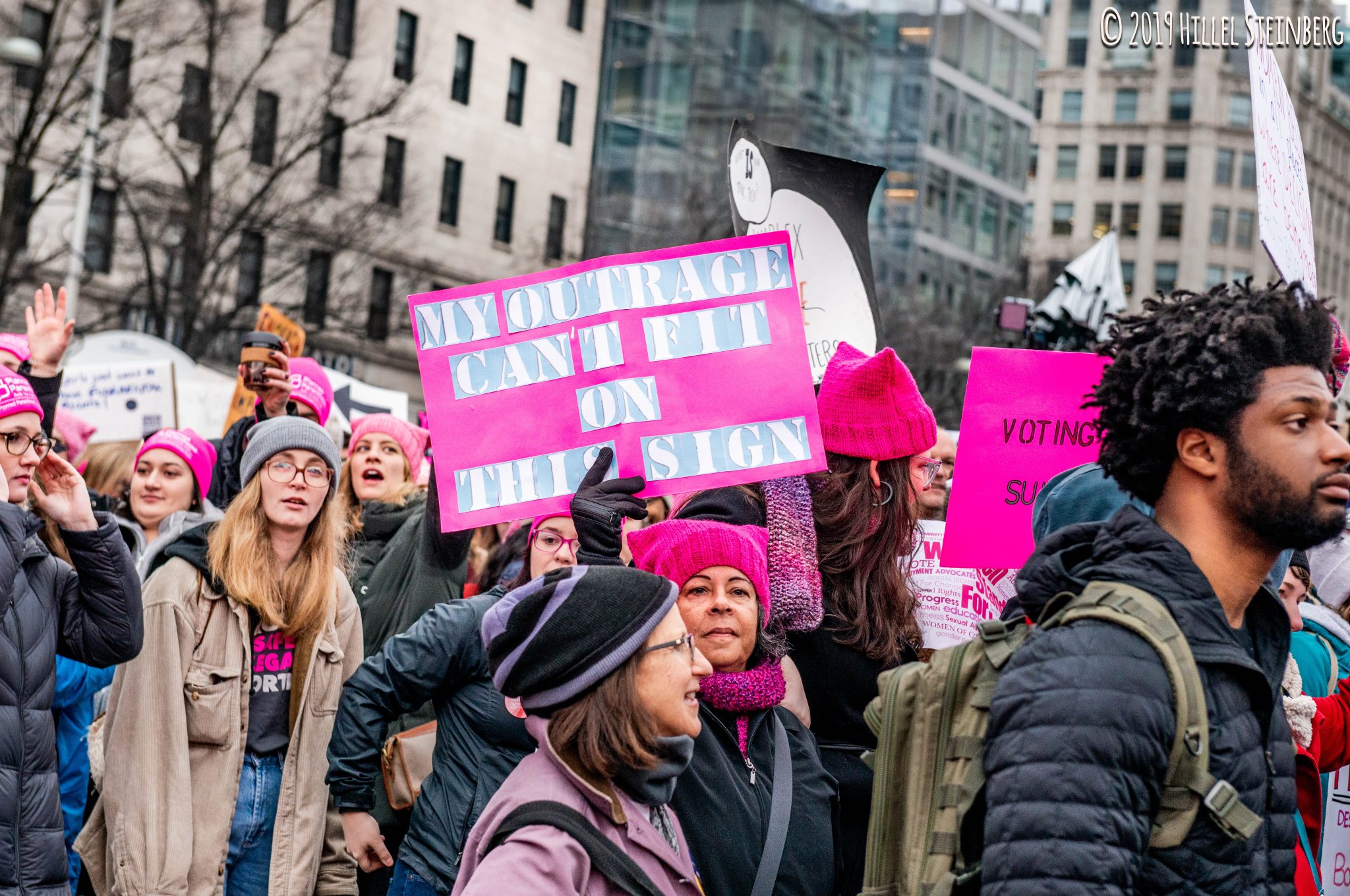
The US has also been criticized for its suppression of dissent and opposition. The country has a long history of using its power to silence critics and opposition, including through the use of lawsuits, intimidation, and violence. Today, the US is facing a growing wave of protests and activism, with many people speaking out against human rights abuses and calling for reform.
- Examples of human rights abuses related to the suppression of dissent and opposition include:
- The use of lawsuits to silence critics and opposition, with many people being sued for speaking out against human rights abuses.
- The use of intimidation and violence to suppress protests and activism, with reports of police brutality and arrests.
- The lack of freedom of speech and assembly, with many people facing censorship and repression for speaking out.
The Global Response to US Human Rights Abuses
International Criticism
The US is facing growing international criticism over its human rights abuses and repression. Many countries and international organizations are speaking out against the US, calling for greater accountability and action.
- Examples of international criticism include:
- The UN Human Rights Council, which has passed numerous resolutions condemning US human rights abuses.
- The European Union, which has imposed sanctions on US officials accused of human rights abuses.
- Countries like Canada and Australia, which have withdrawn their ambassadors from the US in response to its human rights abuses.
Economic Consequences
The global backlash against the US over its human rights abuses and repression is also having significant economic consequences. Many countries are reevaluating their relationships with the US, and some are even seeking to move their trade and investment away from the country.
- Examples of economic consequences include:
- The loss of international support and investment, with many countries cutting ties with the US.
- The impact on the US economy, with declining exports and investments.
- The rise of alternative economic models and partnerships, with countries seeking to build stronger relationships with other nations.
The Future of US Human Rights Policy
Reforms and Action
The growing global backlash against the US over its human rights abuses and repression is a wake-up call for the country's leaders. The US must take immediate action to reform its human rights policies and practices, and to take responsibility for its actions.
- Examples of reforms and action include:
- Passing legislation to protect and expand human rights, including the passage of the Global Magnitsky Act.
Recent Post
Unlocking The Secrets Of Menopause: Expert Insights On Navigating Life After 40 With Paolo Tantoco
Tensions Rise As Trump Officials Defend Tariffs Amid Market Volatility And Warnings For Savers And Retirees
Rosie O'Donnell Teases Trump Move, Posts Disruptive Selfie From Abroad
Wings For The Win: Capitals Edge Ducks 7-4 In Thrilling Matchup
Ducks Fall Short: Key Takeaways From Thrilling 7-4 Loss To Capitals
Article Recommendations
- Sturgill Simpson's Wife: Exploring The Life Of Lisa Simpson
- Vikram's Staggering Cinematic Journey: A Legacy Of Unparalleled Excellence
- Unveiling The Notorious B.I.G.: The Life And Legacy Of Rick Ross