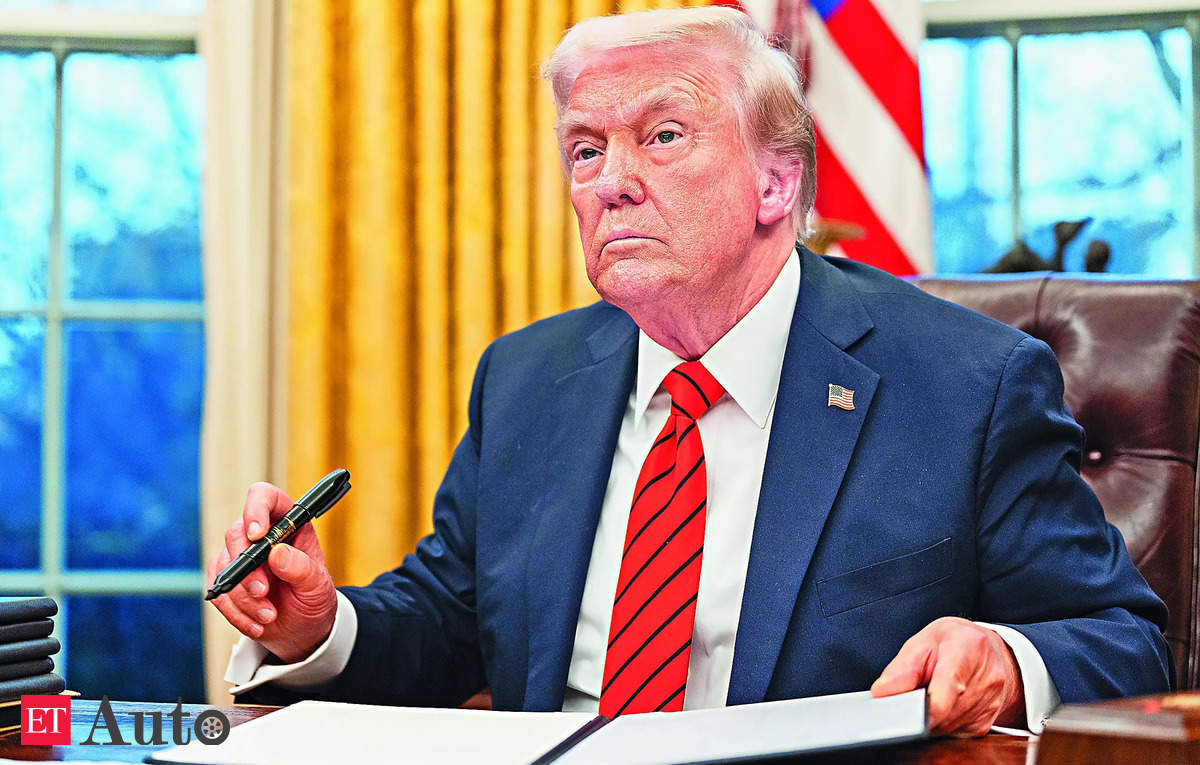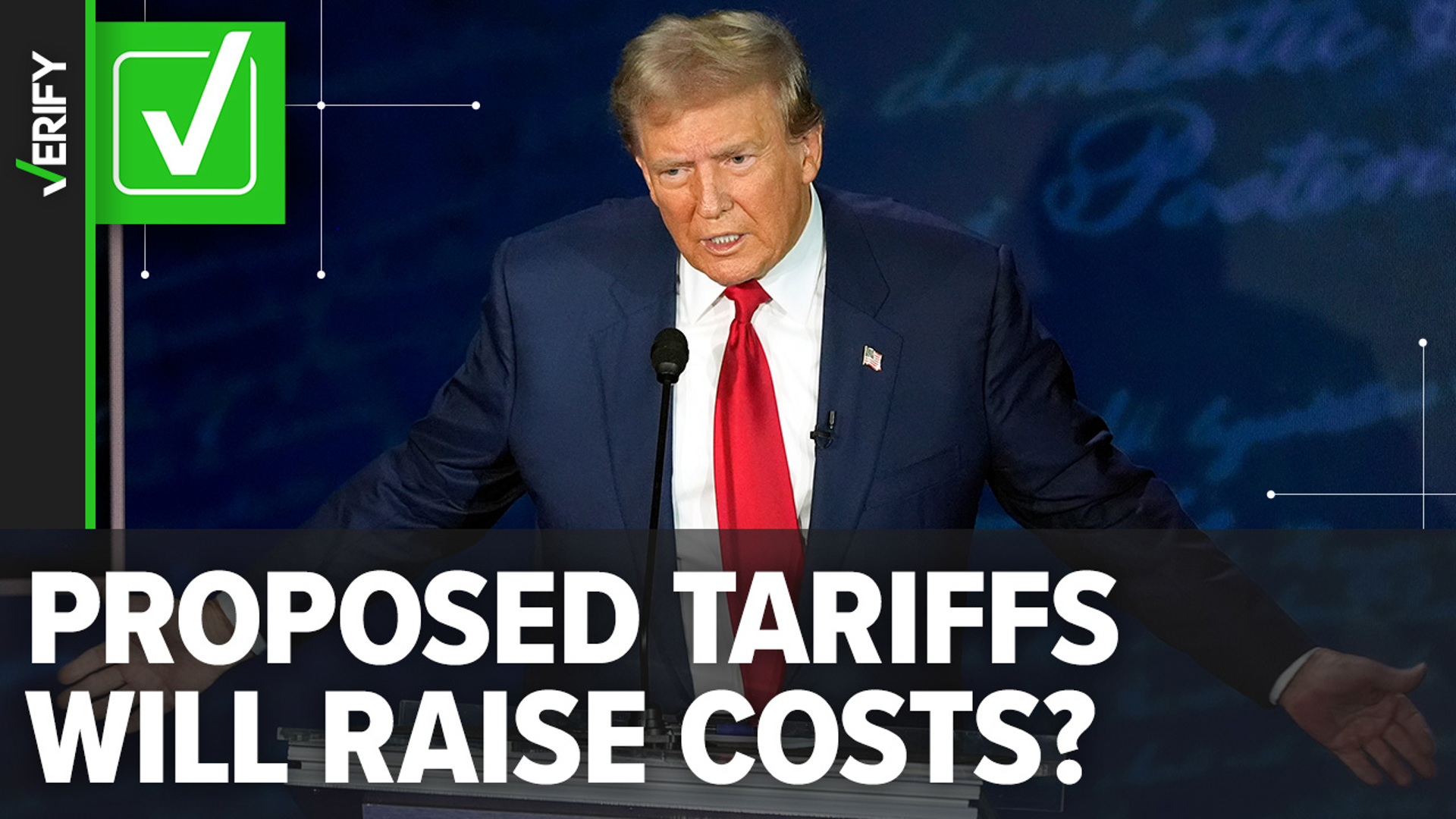
Trump's Tariffs: Fueling Inflation Fears Across the Globe
The impact of tariffs on the global economy has been a topic of great concern for policymakers and businesses alike. The recent increase in tariffs imposed by the Trump administration has sparked widespread fears of inflation, with many experts warning of a potential economic downturn. In this article, we will delve into the world of tariffs, explore the impact of Trump's tariffs on the economy, and examine the potential consequences of inflation on consumers and businesses.
The Rise of Protectionism
The current trade landscape is marked by a rise in protectionism, with many countries turning to tariffs as a means of protecting their domestic industries. The Trump administration's imposition of tariffs on imported goods, such as steel and aluminum, has been a major driver of this trend. The move was justified as a means of leveling the playing field for American businesses, but critics argue that it will have far-reaching consequences for the global economy.
Economic Implications
The imposition of tariffs has already begun to have a significant impact on the global economy. Many countries have responded by imposing their own tariffs on American goods, sparking a trade war that shows no signs of abating. The consequences of this trade war are far-reaching, and include:
- Increased costs for consumers: As tariffs are passed on to consumers, prices for goods and services will rise, reducing purchasing power and limiting economic growth.
- Reduced economic growth: The imposition of tariffs can lead to reduced economic growth, as trade is a major driver of economic activity.
- Increased uncertainty: The ongoing trade war has created significant uncertainty for businesses and investors, making it difficult to predict future economic outcomes.
The Impact on Key Industries
The imposition of tariffs has had a significant impact on key industries, including manufacturing, agriculture, and technology. Some of the industries that are most affected by the tariffs include:
- Manufacturing: The imposition of tariffs on imported steel and aluminum has had a significant impact on the manufacturing sector, as many industries rely on these materials to produce goods.
- Agriculture: The tariffs imposed on imported goods, such as wine and spirits, have had a significant impact on the agricultural sector, as farmers rely on exports to generate income.
- Technology: The imposition of tariffs on imported electronics, such as smartphones and laptops, has had a significant impact on the technology sector, as companies rely on imports to produce goods.
The Impact on Consumers
The imposition of tariffs has had a significant impact on consumers, including:
- Increased prices: As tariffs are passed on to consumers, prices for goods and services will rise, reducing purchasing power and limiting economic growth.
- Reduced purchasing power: The imposition of tariffs will reduce the purchasing power of consumers, making it more difficult for them to afford the goods and services they need.
- Limited access to goods: The imposition of tariffs on imported goods can limit access to certain products, making it more difficult for consumers to purchase the goods they need.
The Impact on Businesses
The imposition of tariffs has had a significant impact on businesses, including:
- Increased costs: The imposition of tariffs has led to increased costs for businesses, as they seek to mitigate the impact of tariffs on their operations.
- Reduced competitiveness: The imposition of tariffs can make it more difficult for businesses to compete in the global market, as they are forced to absorb the costs of tariffs.
- Limited access to markets: The imposition of tariffs on imported goods can limit access to certain markets, making it more difficult for businesses to export their goods.
The Impact on the Global Economy
The imposition of tariffs has had a significant impact on the global economy, including:
- Reduced trade: The imposition of tariffs has led to reduced trade, as countries turn to protectionism as a means of protecting their domestic industries.
- Reduced economic growth: The imposition of tariffs can lead to reduced economic growth, as trade is a major driver of economic activity.
- Increased uncertainty: The ongoing trade war has created significant uncertainty for businesses and investors, making it difficult to predict future economic outcomes.
The Economic Consequences of Inflation
Inflation is a major concern for policymakers, as it can have far-reaching consequences for the economy. Some of the economic consequences of inflation include:
- Reduced purchasing power: Inflation reduces the purchasing power of consumers, making it more difficult for them to afford the goods and services they need.
- Increased costs: Inflation increases costs for businesses, making it more difficult for them to operate profitably.
- Reduced savings: Inflation reduces the value of savings, making it more difficult for individuals to achieve their financial goals.
The Causes of Inflation
Inflation is caused by a combination of factors, including:
- Demand-pull inflation: When demand for goods and services exceeds supply, prices rise.
- Cost-push inflation: When the cost of production increases, prices rise.
- Monetarist inflation: When the money supply increases, prices rise.
The Impact of Trump's Tariffs on Inflation
The imposition of tariffs by the Trump administration has had a significant impact on inflation, including:
- Increased prices: The imposition of tariffs has led to increased prices for goods and services, reducing purchasing power and limiting economic growth.
- Reduced competitiveness: The imposition of tariffs can make it more difficult for businesses to compete in the global market, as they are forced to absorb the costs of tariffs.
- Limited access to markets: The imposition of tariffs on imported goods can limit access to certain markets, making it more difficult for businesses to export their goods.
The Impact on Key Industries
The imposition of tariffs by the Trump administration has had a significant impact on key industries, including:
- Manufacturing: The imposition of tariffs on imported steel and aluminum has had a significant impact on the manufacturing sector, as many industries rely on these materials to produce goods.
- Agriculture: The tariffs imposed on imported goods, such as wine and spirits, have had a significant impact on the agricultural sector, as farmers rely on exports to generate income.
Recent Post
Unlocking The Secrets Of Menopause: Expert Insights On Navigating Life After 40 With Paolo Tantoco
Tensions Rise As Trump Officials Defend Tariffs Amid Market Volatility And Warnings For Savers And Retirees
Rosie O'Donnell Teases Trump Move, Posts Disruptive Selfie From Abroad
Wings For The Win: Capitals Edge Ducks 7-4 In Thrilling Matchup
Ducks Fall Short: Key Takeaways From Thrilling 7-4 Loss To Capitals
Article Recommendations
- Peek Into Billie Eilish's Captivating World With Exclusive Photo Galleries
- Diddy Breaks Silence On Rumors Of His Passing: Is The Music Mogul Still Alive?
- Meet The Trailblazing Maureen Bates: An Inspirational Story Of Resilience And Determination