Trump's Economic Policy Under Fire: A Crippling Blow to the American Dream
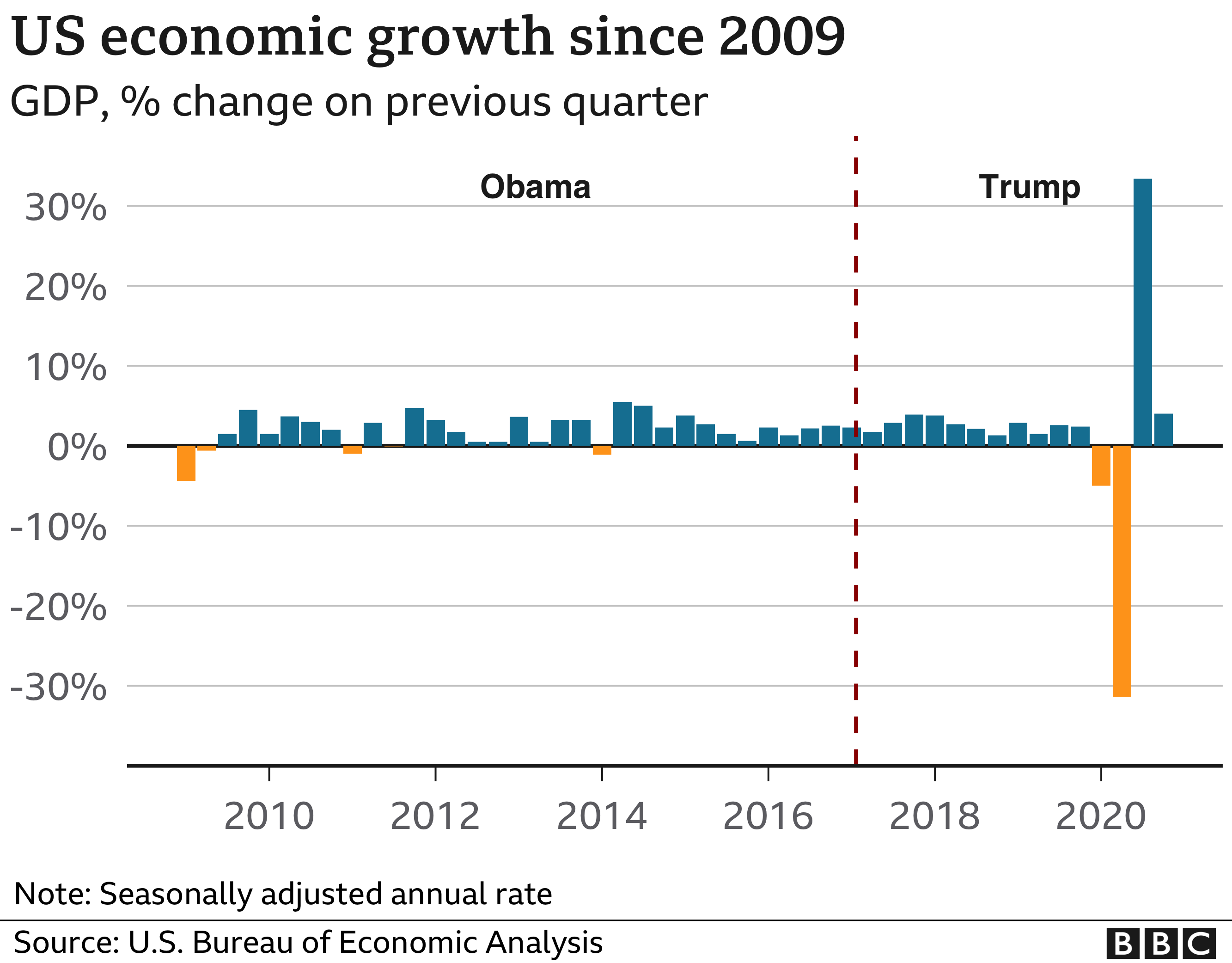
Donald Trump's presidency has been marked by a contentious and polarizing economic agenda, which has sparked intense debate and criticism from economists, politicians, and ordinary Americans. The Trump administration's economic policies have been touted as a means to boost economic growth, create jobs, and increase national competitiveness, but many of these claims have been met with skepticism and outright rejection. In this article, we will delve into the various aspects of Trump's economic policy, examine the criticisms and controversies surrounding it, and explore the potential consequences of these policies on the American economy.
The Trump administration's economic agenda was built around a set of radical ideologies, which prioritized tax cuts, deregulation, and protectionism over traditional economic orthodoxy. The centerpiece of this agenda was the Tax Cuts and Jobs Act (TCJA), a sweeping overhaul of the US tax code that reduced corporate and individual tax rates across the board. The TCJA was justified as a means to stimulate economic growth, create jobs, and increase national competitiveness, but critics argued that it would exacerbate income inequality, reduce government revenue, and increase the national debt.
One of the primary criticisms of the TCJA was its disproportionate benefit to wealthy individuals and corporations, rather than working-class Americans. According to a report by the Economic Policy Institute (EPI), the top 1% of earners would receive 83% of the benefits from the TCJA, while the bottom 50% would receive only 1.3%. This criticism was echoed by many Democrats, who argued that the TCJA was a prime example of Trump's "Tax Cut for the Rich" agenda.
The Impact on National Debt and Government Revenue
The TCJA was also criticized for its potential to increase the national debt and reduce government revenue. The Tax Cuts and Jobs Act would have reduced corporate tax rates from 35% to 20%, while reducing individual tax rates from 10% to 37%. Critics argued that these reductions would lead to a significant increase in government borrowing, which would increase the national debt and reduce the government's ability to invest in critical public programs.
The Congressional Budget Office (CBO) estimated that the TCJA would increase the national debt by $1.5 trillion over the next decade, which would bring the total national debt to over $22 trillion. This would put a significant strain on the US economy and threaten the nation's long-term fiscal sustainability.
Criticism from International Trade Experts
Trump's economic policy has also been criticized by international trade experts, who argue that his protectionist measures would harm American businesses and industries that rely on international trade. The administration's withdrawal from the Trans-Pacific Partnership (TPP) and the renegotiation of the North American Free Trade Agreement (NAFTA) were seen as a significant blow to US businesses that had invested heavily in these agreements.
Many economists argue that protectionism is a recipe for disaster, as it would lead to higher prices for consumers, reduced competition, and a decrease in economic growth. The United States' trade deficit has already increased significantly under Trump's presidency, with the US trade deficit with China rising from $351 billion in 2016 to over $424 billion in 2020.
The Economic Costs of Trump's Immigration Policies
Trump's immigration policies have also been criticized for their potential economic costs. The administration's "zero-tolerance" policy, which led to the separation of thousands of migrant families at the US-Mexico border, has been widely condemned as inhumane and counterproductive.
Many economists argue that the US immigration system is essential to the country's economic growth, as immigrants bring new skills, ideas, and perspectives to the labor market. According to a study by the National Bureau of Economic Research (NBER), immigrants have contributed significantly to US economic growth, with the US GDP increasing by 2.5% between 1990 and 2016 due in part to the influx of immigrant workers.
Criticism from Fiscal Conservatives
Fiscal conservatives have also been critical of Trump's economic policy, arguing that it would lead to increased government spending and a significant increase in the national debt. Many of these conservatives are concerned about the impact of the TCJA on entitlement programs, such as Social Security and Medicare, which would likely be reduced to help pay for the tax cuts.
The Trump administration's economic policy has also been criticized for its lack of attention to the needs of working-class Americans. The administration's emphasis on tax cuts and deregulation has been seen as a boon to corporate America, while many small businesses and workers have been left behind.
The Impact on the Middle Class
The impact of Trump's economic policy on the middle class has been a major area of concern. The administration's tax cuts and deregulation agenda has been seen as a benefit to corporate America, while many middle-class Americans have struggled to make ends meet.
According to a report by the Economic Policy Institute (EPI), the top 10% of earners in the US would see their median income increase by 16% due to the TCJA, while the bottom 90% would see their median income increase by only 1.5%. This has been seen as a significant blow to the American middle class, which has been struggling to keep up with rising costs of living and stagnant wages.
The Education and Healthcare Sectors
The Trump administration's economic policy has also had a significant impact on the education and healthcare sectors. The administration's emphasis on school choice and charter schools has been seen as a benefit to corporate America, while many public schools have been left behind.
The administration's efforts to repeal and replace the Affordable Care Act (ACA) have also been criticized for their potential impact on the healthcare sector. Many economists argue that the ACA has increased access to healthcare for millions of Americans, and that repealing and replacing it would lead to a significant increase in the number
Recent Post
Unlocking The Secrets Of Menopause: Expert Insights On Navigating Life After 40 With Paolo Tantoco
Tensions Rise As Trump Officials Defend Tariffs Amid Market Volatility And Warnings For Savers And Retirees
Rosie O'Donnell Teases Trump Move, Posts Disruptive Selfie From Abroad
Wings For The Win: Capitals Edge Ducks 7-4 In Thrilling Matchup
Ducks Fall Short: Key Takeaways From Thrilling 7-4 Loss To Capitals
Article Recommendations
- Unveiling The Marital History Of Nickleback's Chad Kroeger
- Unveiling The Enchanting World Of Subhshree: A Symphony Of Grace And Talent
- Teen Pop Sensation Tate McRae: Catching Hearts And Breaking Records