The Tariff Tango: Trump's Trade Wars and the Global Economy
As the world's largest economy, the United States has long been a dominant force in international trade. However, in recent years, the country's trade policies have become increasingly contentious, with the imposition of tariffs on various sectors of the global economy. At the forefront of this trade spat is the Trump administration's use of tariffs as a negotiating tool, sparking debates about the efficacy of this approach and its impact on the global economy. In this article, we will delve into the world of Trump's tariffs, exploring their purpose, strategy, and consequences, and examining the various arguments for and against their use.
The Rise of Protectionism
The Trump administration's use of tariffs as a trade policy tool is part of a broader shift towards protectionism, a trend that has been gaining momentum in recent years. Protectionism involves using tariffs, quotas, and other trade barriers to restrict the flow of goods and services between countries, in an effort to protect domestic industries and jobs. This approach is often justified as a means of promoting national economic security and competitiveness, but critics argue that it can have unintended consequences, such as harming consumers and increasing tensions between nations.
The Tariff Package of 2018
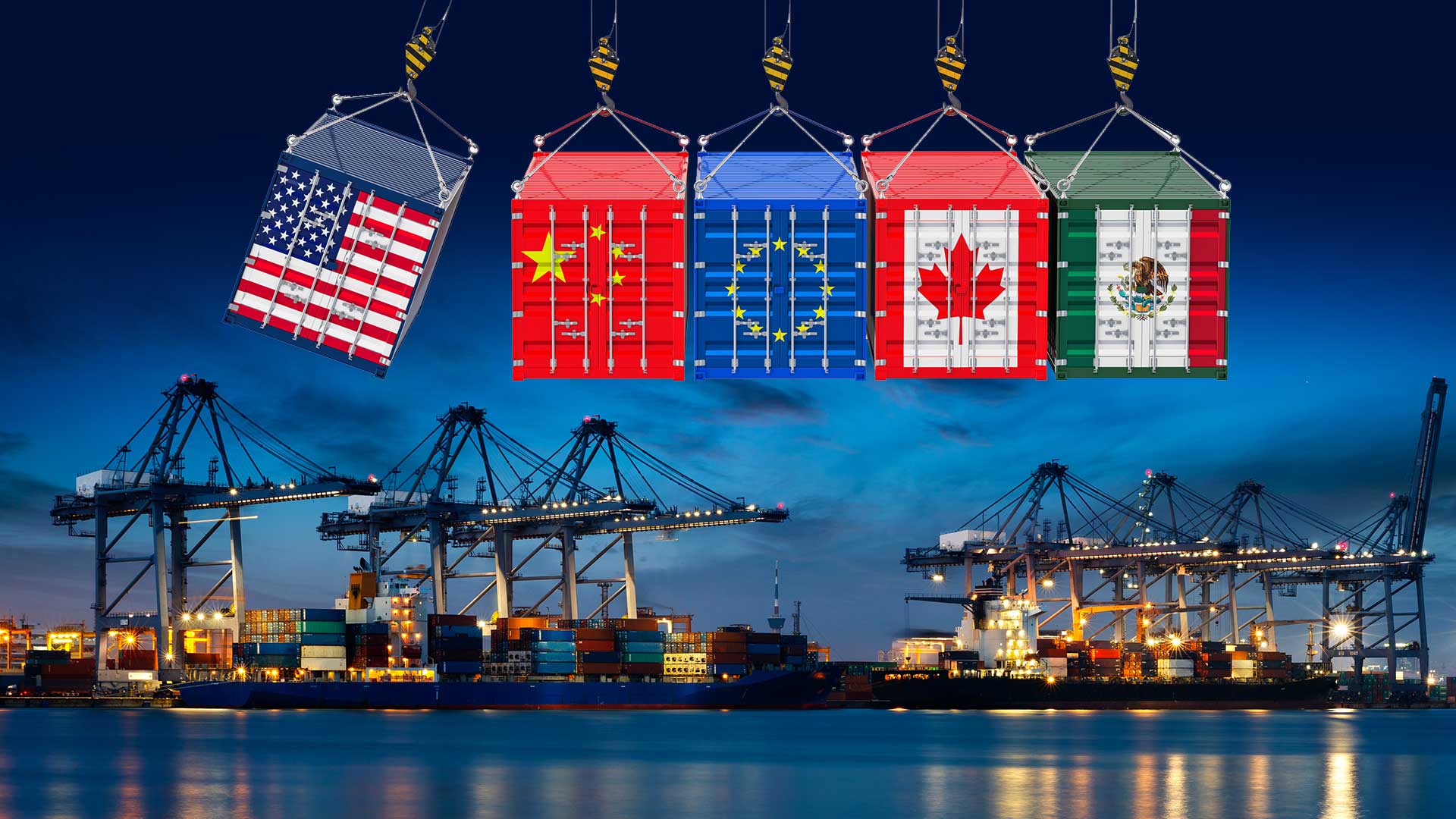
In 2018, the Trump administration imposed a series of tariffs on imported goods from various countries, including China, Canada, and the European Union. The tariffs were imposed in response to allegations of unfair trade practices, including intellectual property theft and subsidized exports. The package included tariffs on key sectors such as steel, aluminum, and agricultural products, as well as on electronics and machinery.
Effects on US Industries
The tariffs imposed by the Trump administration have had a significant impact on various US industries, including:
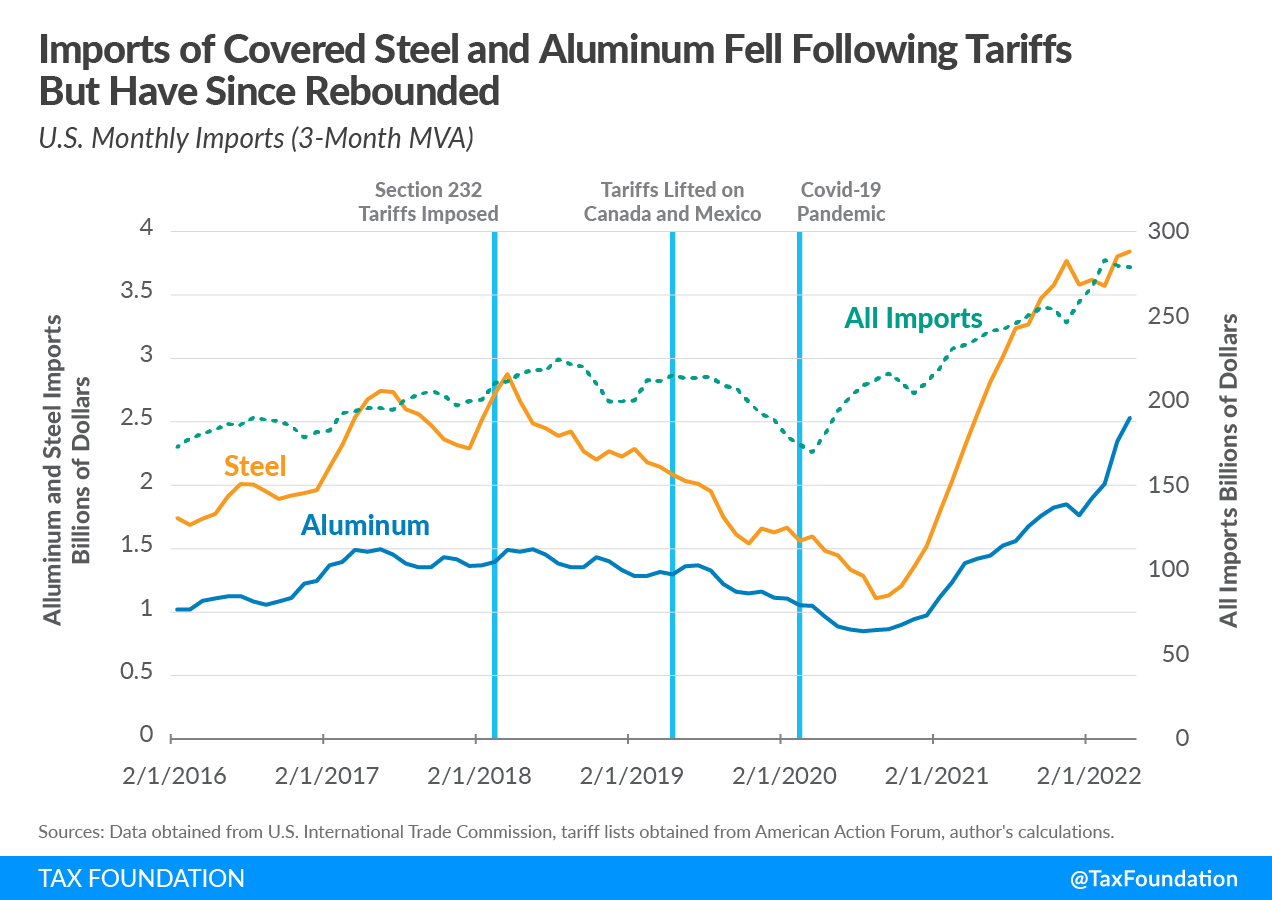
• Steel and aluminum: The tariffs on these industries have increased production costs, making US steel and aluminum more competitive in the global market. However, they have also led to retaliatory tariffs imposed by other countries, which have affected US exports.
• Agriculture: The tariffs on agricultural products, such as soybeans and pork, have reduced US exports and hurt farmers who rely on international trade.
• Electronics: The tariffs on electronics, such as computers and smartphones, have increased prices for consumers and affected the competitiveness of US companies in the global market.
Effects on Consumers
The tariffs imposed by the Trump administration have also had an impact on US consumers, including:
• Increased prices: The tariffs have increased prices for consumers, particularly for goods such as steel, aluminum, and electronics.
• Reduced competitiveness: The tariffs have reduced the competitiveness of US companies in the global market, making it more difficult for them to compete with foreign rivals.
• Reduced choice: The tariffs have reduced the choice of goods available to consumers, particularly in the electronics sector.
Effects on International Trade
The tariffs imposed by the Trump administration have had a significant impact on international trade, including:
• Trade wars: The tariffs have led to trade wars between the US and other countries, including China, Canada, and the European Union.
• Retaliatory tariffs: Other countries have imposed retaliatory tariffs on US goods, reducing US exports and hurting domestic industries.
• Disruption of global supply chains: The tariffs have disrupted global supply chains, leading to shortages and price increases for consumers.
Theoretical Justifications for Tariffs
While the effectiveness of tariffs as a trade policy tool is a subject of debate, there are several theoretical justifications for their use, including:
• Protection of domestic industries: Tariffs can protect domestic industries from foreign competition, particularly in sectors where they are critical to the national economy.
• Collection of revenue: Tariffs can generate revenue for governments, which can be used to fund public programs and services.
• Reduction of trade deficits: Tariffs can reduce trade deficits by reducing imports and increasing exports.
Criticisms of Tariffs
While tariffs can have some theoretical justifications, they are widely criticized for their potential negative consequences, including:
• Reduced economic growth: Tariffs can reduce economic growth by increasing prices and reducing competitiveness.
• Increased tensions: Tariffs can increase tensions between nations, particularly if they are imposed without regard for the potential consequences.
• Disruption of global supply chains: Tariffs can disrupt global supply chains, leading to shortages and price increases for consumers.
The Impact of Tariffs on the Global Economy
The impact of tariffs on the global economy has been significant, with various countries and industries feeling the effects. Some of the key concerns include:
• Reduced trade: Tariffs have reduced trade between countries, which has had a negative impact on economic growth and job creation.
• Increased prices: Tariffs have increased prices for consumers, particularly for goods such as steel, aluminum, and electronics.
• Disruption of global supply chains: Tariffs have disrupted global supply chains, leading to shortages and price increases for consumers.
Economic Models of Tariffs
There are several economic models that attempt to explain the impact of tariffs on the global economy, including:
• The Ricardo Model: This model suggests that tariffs can reduce trade and economic growth, particularly in sectors where they are imposed.
• The Eaton-Korten Model: This model suggests that tariffs can have a positive impact on domestic industries, but a negative impact on consumers and the economy as a whole.
• The Melitz Model: This model suggests that tariffs can have a significant impact on trade and economic growth, particularly in sectors where they are imposed.
Conclusion
The use of tariffs as a trade policy tool is a complex and contentious issue, with proponents arguing that they can protect domestic industries and generate revenue for governments, while critics argue that they can harm consumers and reduce economic growth. As the global economy continues to evolve, it is likely that tariffs will remain a major factor in international trade, with various countries and industries seeking to navigate the complex landscape of trade policy.
Recent Post
Unlocking The Secrets Of Menopause: Expert Insights On Navigating Life After 40 With Paolo Tantoco
Tensions Rise As Trump Officials Defend Tariffs Amid Market Volatility And Warnings For Savers And Retirees
Rosie O'Donnell Teases Trump Move, Posts Disruptive Selfie From Abroad
Wings For The Win: Capitals Edge Ducks 7-4 In Thrilling Matchup
Ducks Fall Short: Key Takeaways From Thrilling 7-4 Loss To Capitals
Article Recommendations
- Unveiling The Enigmatic Jules Ari: The Artist Behind The Masterful Portraits
- Daniel John Gregory: The Visionary Behind The Future Of AI And Robotics
- Unveiling The Controversial Rise And Redemption Of Bhad Bhabie