Trump's Tariff U-Turn: Why Canada Trade Deal Backtracks
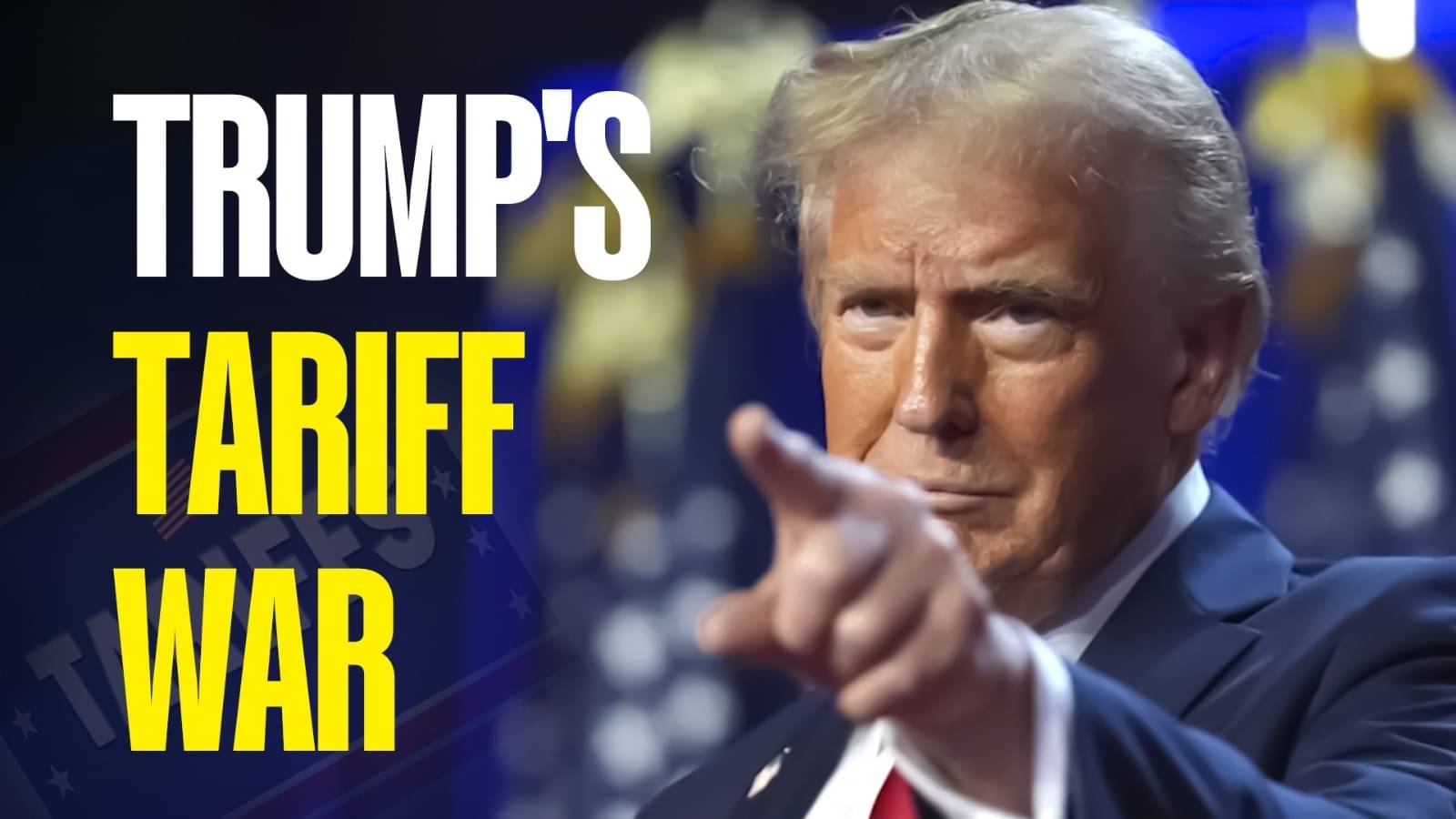
The recent trade tensions between the United States and Canada have taken a dramatic turn, with President Trump announcing a surprise U-turn on his long-held stance on tariffs. In a move that has left many in the trade community scratching their heads, the US President has signed an executive order repealing the tariffs imposed on Canadian steel and aluminum, effectively killing the Canada trade deal that had been on life support for months.
The news of the tariff reversal sent shockwaves through the trade community, with many analysts wondering what prompted the sudden change of heart. The answer, it seems, lies in the complex web of trade politics and the shifting landscape of global trade. In this article, we will delve into the reasons behind Trump's tariff U-turn and explore the implications of this significant development for the Canada-US trade relationship.
The Rise of Trade Tensions
In the summer of 2018, the trade tensions between the US and Canada reached a boiling point. The Trump administration had imposed tariffs on Canadian steel and aluminum, citing national security concerns as the justification. The move was seen as a major escalation of the trade war, which had already seen the US impose tariffs on imported steel and aluminum from several other countries, including China, South Korea, and the European Union.
The Canadian government responded swiftly, launching a trade dispute with the US and threatening to retaliate with its own tariffs. The situation seemed to be heading towards a full-blown trade war, with both countries digging in their heels and refusing to budge.
The Tariff Reversal
But in a surprise move, President Trump announced that he would be repealing the tariffs on Canadian steel and aluminum. The decision was seen as a major U-turn, with many analysts wondering what had changed the President's mind.
The reason for the tariff reversal, it seems, lies in the political calculations of the Trump administration. In the lead-up to the 2020 presidential election, the Trump campaign had made a major focus on trade, with the President promising to renegotiate the North American Free Trade Agreement (NAFTA) and secure better trade deals for American businesses.
However, the reality of the situation on the ground seemed to have been very different. The tariffs on Canadian steel and aluminum had failed to deliver the promised benefits to American businesses, and had instead led to retaliatory measures from Canada and other countries.
The Economic Impact
The tariff reversal has significant implications for the economy, both in the US and Canada. The tariffs had been imposed in the hope of protecting American industries such as steel and aluminum, but had ultimately failed to achieve this goal.
Instead, the tariffs had led to a sharp increase in the cost of these products for American consumers, and had also led to a decline in demand for these products from Canadian businesses. The reversal of the tariffs is likely to have a positive impact on the economy, both in the US and Canada.
The Diplomatic Implications
The tariff reversal also has significant diplomatic implications for the Canada-US relationship. The trade tensions had been a major source of strain on the relationship, with both countries accusing each other of unfair trade practices.
The reversal of the tariffs is likely to have a positive impact on the relationship, with both countries hoping to move forward with a new trade deal that takes into account the changing landscape of global trade. However, the situation is far from settled, with many issues still outstanding.
The Future of the Trade Relationship
The future of the trade relationship between the US and Canada is uncertain, but one thing is clear: the tariff reversal is a significant development that could potentially change the course of the relationship.
As the US and Canada move forward with a new trade deal, there are several key issues that need to be addressed. These include the rules of origin, tariffs on goods such as automotive parts, and the level of government support for industries such as agriculture and energy.
In the next section, we will take a closer look at the rules of origin and how they could impact the trade relationship between the US and Canada.
The Rules of Origin
The rules of origin are a critical aspect of any trade agreement, and the US-Canada trade deal is no exception. The rules of origin determine the source of goods that are eligible for preferential treatment under the agreement.
In the case of the US-Canada trade deal, the rules of origin are complex and multifaceted. The agreement includes a number of provisions that aim to promote the use of domestic materials in goods, such as automotive parts and machinery.
The Automotive Industry
The automotive industry is a critical sector in the US-Canada trade relationship, with both countries enjoying significant exports to each other. However, the rules of origin for automotive parts are complex and have been a source of contention in the past.
The Origins of Automotive Parts
The origins of automotive parts are a critical issue in the US-Canada trade relationship. The agreement includes a number of provisions that aim to promote the use of domestic materials in goods, such as American steel and aluminum.
However, the current rules of origin for automotive parts are often ambiguous and can lead to confusion and disputes. For example, a car might be assembled in the US using Canadian steel and aluminum, but still be subject to Canadian tariffs if the parts are deemed to have been manufactured in Canada.
The Energy Sector
The energy sector is another critical aspect of the US-Canada trade relationship, with both countries enjoying significant exports to each other. However, the rules of origin for energy goods are complex and have been a source of contention in the past.
The Tariffs on Energy Goods
The tariffs on energy goods have been a major source of tension in the US-Canada trade relationship. The Trump administration had imposed tariffs on imported energy goods, including Canadian steel and aluminum, citing national security concerns as the justification.
However, the tariffs had failed to deliver the promised benefits to American businesses
Recent Post
Unlocking The Secrets Of Menopause: Expert Insights On Navigating Life After 40 With Paolo Tantoco
Tensions Rise As Trump Officials Defend Tariffs Amid Market Volatility And Warnings For Savers And Retirees
Rosie O'Donnell Teases Trump Move, Posts Disruptive Selfie From Abroad
Wings For The Win: Capitals Edge Ducks 7-4 In Thrilling Matchup
Ducks Fall Short: Key Takeaways From Thrilling 7-4 Loss To Capitals
Article Recommendations
- Yumieto: The Essential Guide To Revolutionary Protein Shakes
- Unveiling The Secrets Of Hisashi Real Pos: Enhance Your Business Operations
- 揭秘巴伦·特朗普的身高:比你想象的还要高!