US Economy Teeters As Trump Cuts Global Trade Ties, Recession Fears Intensify
The United States economy is facing unprecedented uncertainty as President Donald Trump's administration continues to escalate tensions with global trade partners. The ongoing trade war, sparked by Trump's decision to impose tariffs on Chinese goods, has sent shockwaves through the markets, sparking fears of a recession. In this article, we will delve into the implications of Trump's trade policies and the potential consequences for the US economy.
As the world's largest economy, the US is heavily reliant on international trade to fuel growth and drive innovation. However, Trump's protectionist policies have raised concerns among economists and business leaders, who argue that the tariffs and trade wars will lead to higher prices, reduced competitiveness, and slower economic growth. The impact of these policies is already being felt, with many companies scaling back investment and hiring plans in response to the uncertainty.
The Trump Trade Agenda
Trump's trade policies are driven by a number of key objectives, including:
- Protecting American industries from what he sees as unfair trade practices by countries such as China and Europe
- Reducing the trade deficit, which he believes is a major obstacle to economic growth
- Promoting American jobs and workers
- Increasing US influence on the global stage
However, critics argue that Trump's approach is misguided and will ultimately harm the US economy. They point to the negative impact of tariffs on consumers, the potential for retaliation from other countries, and the risk of trade wars that could destabilize the global economy.
The Impact on Major Industries
The trade war has already had a significant impact on several major industries, including:
- Agriculture: The tariffs imposed on Chinese goods have led to a significant decline in US agricultural exports, with farmers and ranchers facing reduced incomes and uncertain futures.
- Manufacturing: The tariffs on steel and aluminum have led to higher costs for US manufacturers, who may be forced to pass these costs on to consumers or risk reduced competitiveness.
- Technology: The trade war has raised concerns among tech companies, which are heavily reliant on international supply chains and may be affected by retaliatory measures from other countries.
The Global Trade Landscape
The US is not the only country facing uncertainty in the global trade landscape. Other nations, including Canada, Mexico, and the European Union, are also experiencing significant trade disruptions, which are having far-reaching consequences for businesses and consumers.
Some of the key players in the global trade landscape include:
- China: The world's second-largest economy, China is a major trading partner for the US and is facing significant pressure from Trump's administration to reform its trade practices.
- The European Union: The EU is a significant trading partner for the US and is also facing pressure from Trump's administration to reduce its trade deficit.
- Canada and Mexico: The US's neighbors to the north and south are also facing significant trade disruptions, which are having far-reaching consequences for businesses and consumers.
Recession Fears Intensify
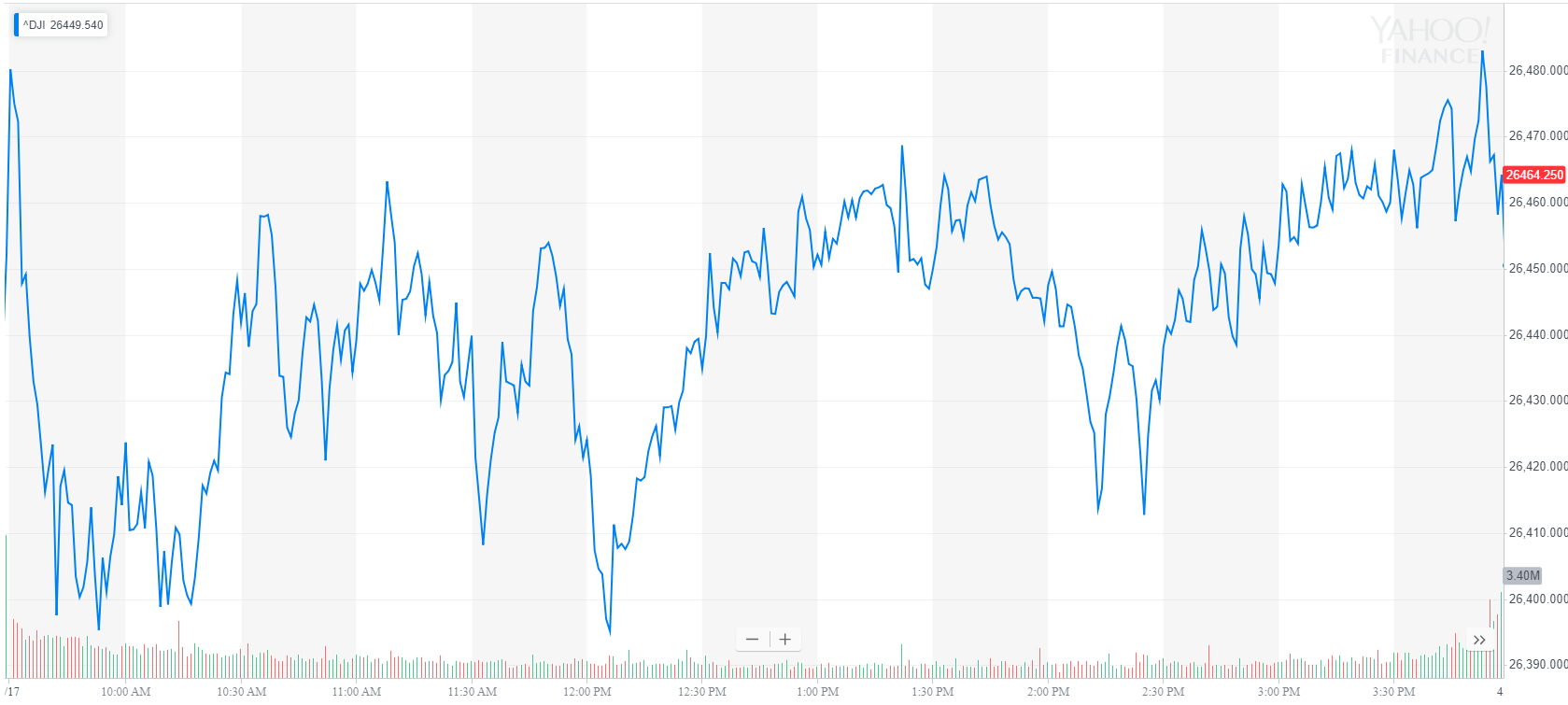
The trade war and other economic uncertainties have raised concerns about the potential for a recession. While the US economy has been growing steadily since the 2008 financial crisis, there are warning signs that suggest a slowdown may be on the horizon.
Some of the key indicators that suggest a recession may be looming include:
- Slowing GDP growth: The US economy has been growing at a slower pace in recent months, which may indicate a slowdown in economic activity.
- Reduced consumer confidence: Consumer confidence has been declining in recent months, which may suggest that consumers are becoming less optimistic about the economy.
- Increased unemployment: While the unemployment rate remains low, there are signs that the job market may be cooling, which could indicate a recession.
Mitigating the Impact of the Trade War
While the trade war is undoubtedly a significant challenge, there are steps that the US government and businesses can take to mitigate its impact. Some of the key strategies include:
- Diversifying supply chains: Businesses can reduce their reliance on a single country or region by diversifying their supply chains and exploring alternative sources of goods and services.
- Investing in innovation: Investing in innovation and research and development can help businesses stay competitive and adapt to changing trade dynamics.
- Promoting free trade agreements: Promoting free trade agreements and reducing trade barriers can help businesses and consumers benefit from increased trade and investment.
Conclusion
The US economy is facing unprecedented uncertainty as Trump's administration continues to escalate tensions with global trade partners. While the trade war and other economic uncertainties raise concerns about the potential for a recession, there are steps that businesses and governments can take to mitigate its impact. By diversifying supply chains, investing in innovation, and promoting free trade agreements, the US can reduce the impact of the trade war and promote economic growth and stability.
Recent Post
Unlocking The Secrets Of Menopause: Expert Insights On Navigating Life After 40 With Paolo Tantoco
Tensions Rise As Trump Officials Defend Tariffs Amid Market Volatility And Warnings For Savers And Retirees
Rosie O'Donnell Teases Trump Move, Posts Disruptive Selfie From Abroad
Wings For The Win: Capitals Edge Ducks 7-4 In Thrilling Matchup
Ducks Fall Short: Key Takeaways From Thrilling 7-4 Loss To Capitals
Article Recommendations
- Elevate Your Local Presence: The Ultimate Google My Business Ranking Checker
- Angela Alvarez: The Cuban Singing Sensation Conquering Hearts At 95
- Discover The Enigmatic World Of Aishahd: A Journey Into The Unknown