Trade Wars and Tariffs: The Global Economy's Hidden Storm
The world is on high alert as trade tensions escalate between major economies, with tariffs becoming a key tool in the battle for market share and economic dominance. As the global economy grapples with the implications of trade wars and tariffs, one thing is clear: the consequences will be far-reaching and profound. In this article, we'll delve into the impact of trade wars and tariffs on the global economy, exploring the historical context, economic effects, and potential solutions.
Trade wars and tariffs are not new concepts, but their current manifestation is particularly worrisome. Since the 1970s, the United States has been a major player in global trade, using tariffs as a tool to protect domestic industries and promote American goods. However, in recent years, other countries, such as China, have responded with their own tariffs, sparking a trade war that has now spread to multiple fronts. The implications of this growing trade conflict are multifaceted and complex, requiring a nuanced understanding of the underlying economic dynamics.
The impact of trade wars and tariffs on the global economy is multifaceted, affecting various sectors and countries in different ways. On the one hand, tariffs can provide short-term protection to domestic industries, helping them to compete with foreign rivals. However, this protection comes at a cost, as higher prices and reduced choice are imposed on consumers. Moreover, the imposition of tariffs can lead to retaliation from other countries, creating a cycle of escalating protectionism that undermines global trade.
The Historical Context of Trade Wars and Tariffs
Trade wars and tariffs have a long history, dating back to the 19th century when the United States and European powers first began to engage in protectionist policies. The 1930s saw the rise of the Great Depression, which led to a surge in protectionist policies, including tariffs and quotas. The post-World War II era saw the establishment of the General Agreement on Tariffs and Trade (GATT), a precursor to the World Trade Organization (WTO), which aimed to promote free trade and reduce tariffs. However, the rise of globalization and the increasing importance of emerging markets have led to a resurgence of protectionist policies, with countries like China and the United States now engaging in a trade war.
The Role of Key Players
Several key players are driving the current trade war, including the United States, China, the European Union, and Japan. The United States has been a major proponent of tariffs, using them to protect domestic industries such as agriculture and manufacturing. China, on the other hand, has been accused of using unfair trade practices, including intellectual property theft and subsidies for state-owned enterprises. The European Union and Japan have also been critical of US trade policies, particularly the imposition of tariffs on their exports.
The US-China Trade War
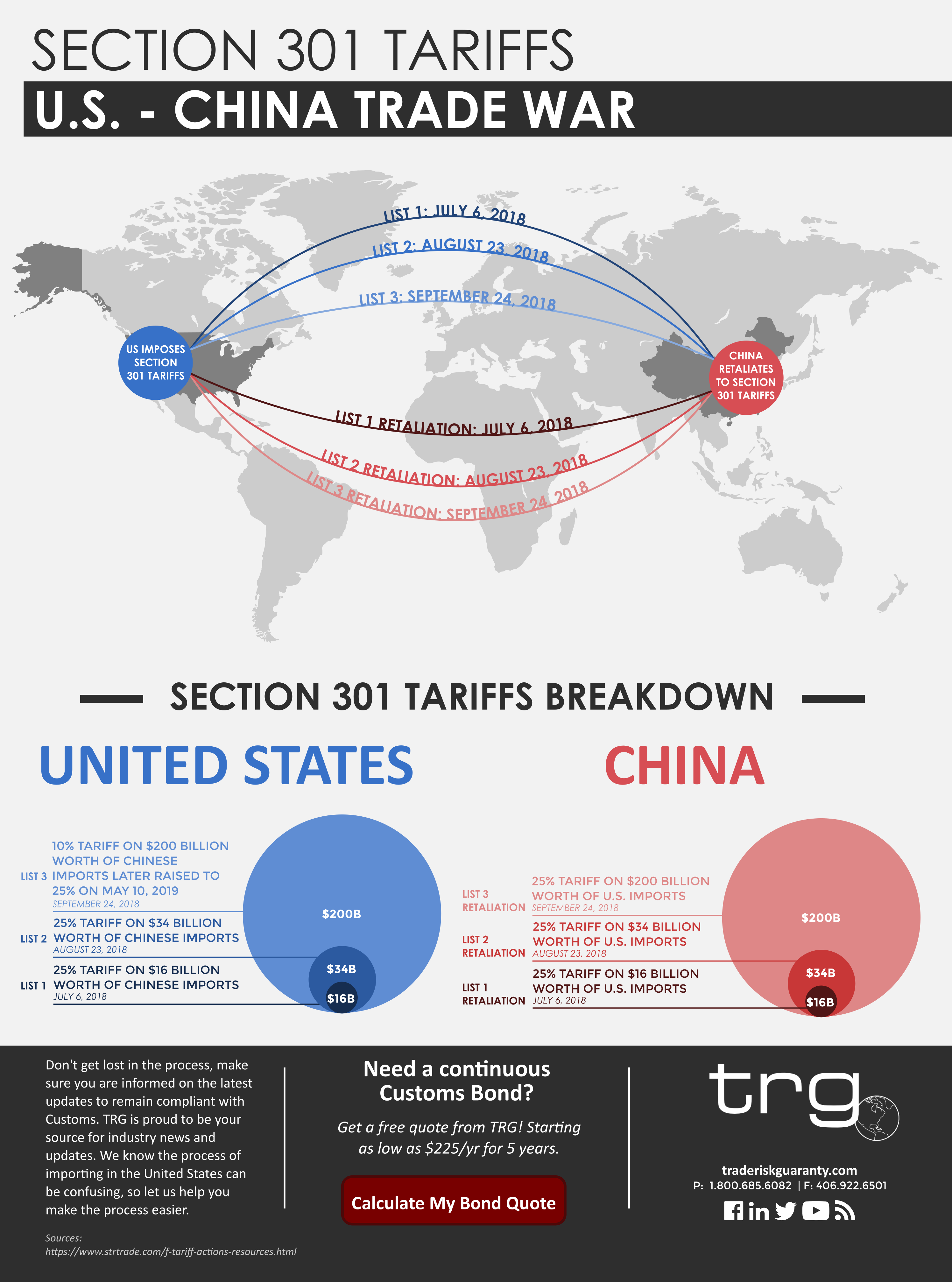
The US-China trade war has been the most significant development in the current trade landscape. The two countries have imposed tariffs on each other's goods, sparking a backlash from other countries. The US has imposed tariffs on $50 billion worth of Chinese goods, including electronics and furniture, while China has retaliated with tariffs on $34 billion worth of US goods. The trade war has led to a decline in global trade, with exports declining by 0.6% in the second quarter of 2019.
The Economic Effects of Trade Wars and Tariffs
The economic effects of trade wars and tariffs are far-reaching and multifaceted. Some of the key effects include:
- Higher prices for consumers
- Reduced choice for consumers
- Decreased economic growth
- Job losses in affected industries
- Reduced investment in affected industries
The Impact on Emerging Markets
Emerging markets, particularly those in Asia and Latin America, are highly vulnerable to the effects of trade wars and tariffs. These countries rely heavily on trade with developed economies, and a decline in global trade can have a significant impact on their economies. For example, countries like India and Indonesia have been affected by the decline in global trade, with export growth slowing down in 2019.
Potential Solutions to the Trade War
As the trade war continues to escalate, there is a growing need for solutions to mitigate its effects. Some potential solutions include:
- Negotiations between key players
- Expansion of the WTO
- Creation of new trade agreements
- Increased investment in infrastructure and education
The Role of International Organizations
International organizations, such as the WTO and the IMF, play a crucial role in promoting free trade and resolving trade disputes. The WTO has been instrumental in negotiating trade agreements and promoting international trade, while the IMF provides financial support to countries affected by the trade war. However, the WTO's ability to resolve trade disputes is limited, and more needs to be done to promote cooperation between countries.
The Impact of International Trade Agreements
International trade agreements, such as the Trans-Pacific Partnership (TPP) and the Comprehensive and Progressive Agreement for Trans-Pacific Partnership (CPTPP), have played a significant role in promoting free trade and reducing tariffs. However, the withdrawal of the United States from the TPP has led to concerns about the future of international trade agreements.
Conclusion
The trade war and the resulting tariffs have significant implications for the global economy. As the conflict continues to escalate, it is essential to explore potential solutions to mitigate its effects. International organizations, such as the WTO and the IMF, play a crucial role in promoting free trade and resolving trade disputes. However, more needs to be done to promote cooperation between countries and address the root causes of the trade war.
The Future of Trade
The future of trade is uncertain, but one thing is clear: the current trade war has highlighted the need for greater cooperation and cooperation between countries. As the global economy continues to evolve, it is essential to find solutions to the challenges posed by trade wars and tariffs. By working together, countries can promote free trade, reduce tariffs, and
Recent Post
Unlocking The Secrets Of Menopause: Expert Insights On Navigating Life After 40 With Paolo Tantoco
Tensions Rise As Trump Officials Defend Tariffs Amid Market Volatility And Warnings For Savers And Retirees
Rosie O'Donnell Teases Trump Move, Posts Disruptive Selfie From Abroad
Wings For The Win: Capitals Edge Ducks 7-4 In Thrilling Matchup
Ducks Fall Short: Key Takeaways From Thrilling 7-4 Loss To Capitals
Article Recommendations
- Inside The Close-Knit Family Circle: The Story Of Madison Beer's Supportive Parents
- Meet Mingus Reedus: The Mystery Behind Norman Reedus' Celeb Child
- Unveiling The Allure Of Diabla Lara: A Symphony Of Mystery And Charismatic Rebellion