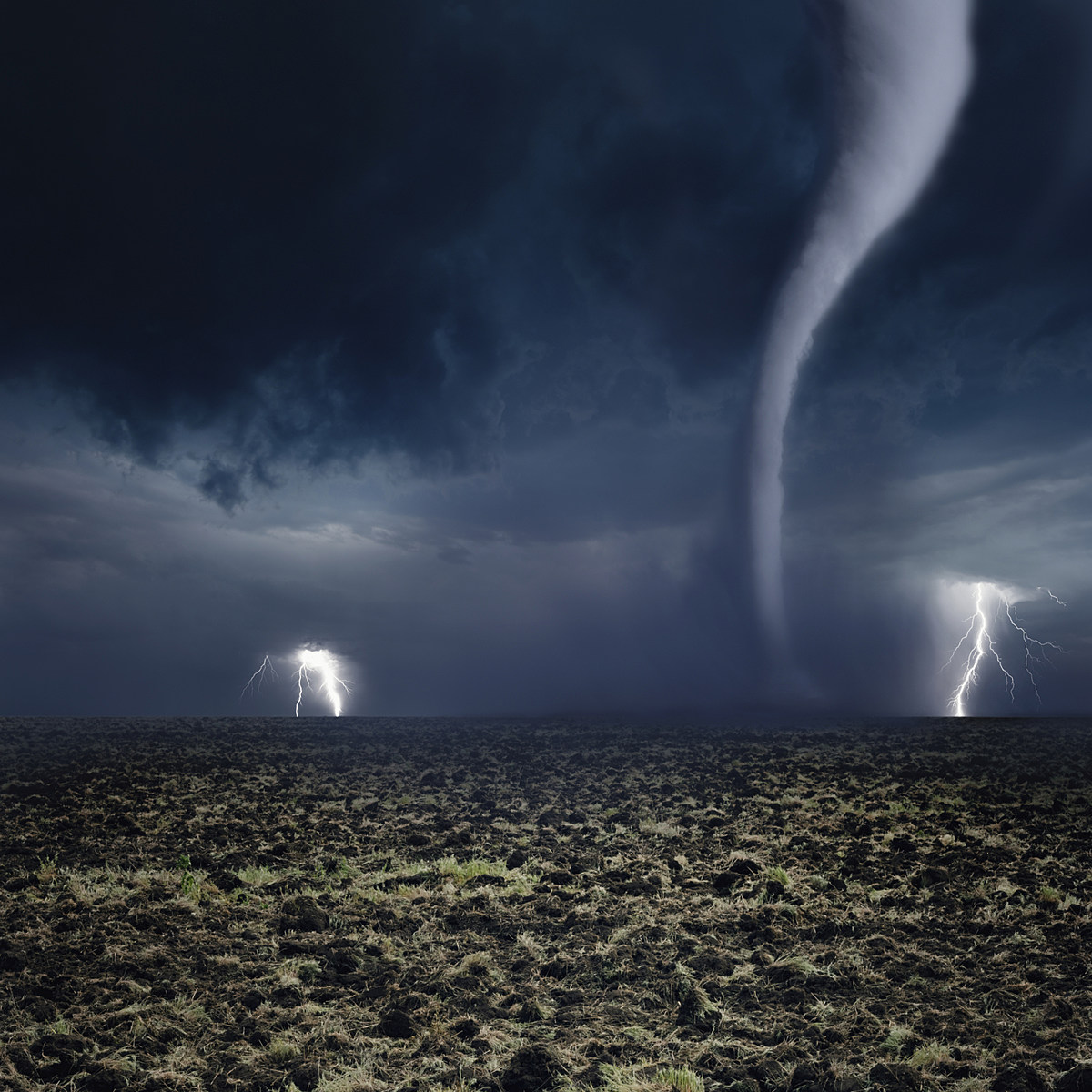
Understanding the Fury of Tornadoes: The Latest in Weather Forecast and Tornado Alerts
Tornadoes have been a destructive force of nature, leaving devastation and loss of life in their wake. As a major weather-related hazard, it's essential for residents and visitors alike to stay informed about the latest weather forecasts and tornado alerts. In this article, we'll delve into the world of tornadoes, exploring the latest advances in weather forecasting, the importance of early warning systems, and how to stay safe during a tornado.
The World of Tornadoes
A tornado is a rotating column of air that descends from a thunderstorm to the ground, causing damage and destruction in its path. Also known as twisters or whirlwinds, tornadoes are formed when a combination of atmospheric conditions come together, including warm, moist air near the surface, cooler air above, and wind shear. This unique combination creates a rotating updraft, known as a mesocyclone, which can eventually touch the ground and become a tornado.
Types of Tornadoes
While all tornadoes are destructive, some are more severe than others. The Enhanced Fujita Scale (EF Scale) is used to classify tornadoes based on their wind speed and damage potential. The scale ranges from EF0, which is the least severe, to EF5, which is the most severe. Here are some of the main types of tornadoes:
- EF0: Wind speeds of 65-85 mph, light damage to chimneys, gutters, and roof shingles.
- EF1: Wind speeds of 86-110 mph, moderate damage to roofs, doors, and windows.
- EF2: Wind speeds of 111-135 mph, significant damage to roofs, doors, and windows.
- EF3: Wind speeds of 136-165 mph, severe damage to buildings, mobile homes, and trees.
- EF4: Wind speeds of 166-200 mph, devastating damage to well-built homes, buildings, and infrastructure.
- EF5: Wind speeds of 201-268 mph, incredible damage to homes, buildings, and infrastructure.
The Science Behind Tornado Forecasting
Tornado forecasting is a complex process that involves studying the atmospheric conditions that lead to tornado formation. Meteorologists use a combination of computer models, radar, and satellite imagery to predict the likelihood of tornadoes. Here are some of the key factors that meteorologists consider when forecasting tornadoes:
- Instability in the atmosphere: Warm, moist air near the surface can create instability in the atmosphere, leading to the formation of thunderstorms and tornadoes.
- Wind shear: Wind shear, which occurs when wind speed and direction change with height, can contribute to the formation of tornadoes.
- Moisture: High levels of moisture in the atmosphere can contribute to the formation of thunderstorms and tornadoes.
- Lift: Lift, which can occur over mountains or near bodies of water, can contribute to the formation of thunderstorms and tornadoes.
The Importance of Tornado Alerts
Tornado alerts are critical for keeping people safe during a tornado event. These alerts are issued by weather forecasting agencies, such as the National Weather Service (NWS), and can provide critical information about the location, time, and severity of the tornado. Here are some of the ways that tornado alerts can help keep people safe:
- Early warning: Tornado alerts can provide early warning of a tornado, giving people time to seek shelter.
- Location information: Tornado alerts can provide critical location information, such as the nearest shelter or safe room.
- Severity information: Tornado alerts can provide information about the severity of the tornado, such as wind speed and damage potential.
Staying Safe During a Tornado
While tornado alerts can provide critical information, there is no substitute for proper preparedness and evacuation procedures. Here are some tips for staying safe during a tornado:
- Create a tornado emergency plan: Create a plan with your family that includes a safe room, evacuation routes, and emergency contact information.
- Practice tornado drills: Practice tornado drills with your family to ensure that everyone knows what to do in case of a tornado.
- Stay informed: Stay informed about weather conditions through local news, weather apps, and weather alerts.
- Seek shelter immediately: If a tornado warning is issued for your area, seek shelter immediately in a safe room or area.
The Role of Technology in Tornado Forecasting
Technology has played a critical role in improving tornado forecasting and prediction. Here are some of the ways that technology is being used to improve tornado forecasting:
- Radar technology: Radar technology is being used to track the movement and intensity of tornadoes.
- Satellite imagery: Satellite imagery is being used to monitor the atmospheric conditions that lead to tornado formation.
- Computer models: Computer models are being used to predict the likelihood of tornadoes and to forecast the path of a tornado.
- Social media: Social media is being used to disseminate critical information about tornadoes and to provide updates on the situation.
The Future of Tornado Forecasting
While significant progress has been made in tornado forecasting, there is still much to be learned. Here are some of the areas of research that are being explored to improve tornado forecasting:
- New radar technologies: New radar technologies, such as phased array radar, are being developed to improve tornado detection and tracking.
- Advanced computer models: Advanced computer models, such as high-performance computing, are being developed to improve tornado forecasting.
- Machine learning: Machine learning algorithms are being explored to improve tornado forecasting and prediction.
- International collaboration: International collaboration is being explored to improve tornado forecasting and prediction.
Conclusion
Tornadoes are a powerful force of nature that can cause devastating damage and loss of life. By understanding the science behind tornadoes, staying informed about weather conditions, and
Recent Post
Unlocking The Secrets Of Menopause: Expert Insights On Navigating Life After 40 With Paolo Tantoco
Tensions Rise As Trump Officials Defend Tariffs Amid Market Volatility And Warnings For Savers And Retirees
Rosie O'Donnell Teases Trump Move, Posts Disruptive Selfie From Abroad
Wings For The Win: Capitals Edge Ducks 7-4 In Thrilling Matchup
Ducks Fall Short: Key Takeaways From Thrilling 7-4 Loss To Capitals
Article Recommendations
- Patrick Fugit: A Talented Actor With A Diverse Career
- Inside The Close-Knit Family Circle: The Story Of Madison Beer's Supportive Parents
- Unveiling Alma Powell's Profound Impact: A Cause For Celebration And Inspiration
/tornado-column-in-rural-landscape-161135613-58e14ed83df78c5162a801d4.jpg)