TikTok BANNED! The Fallout Begins...
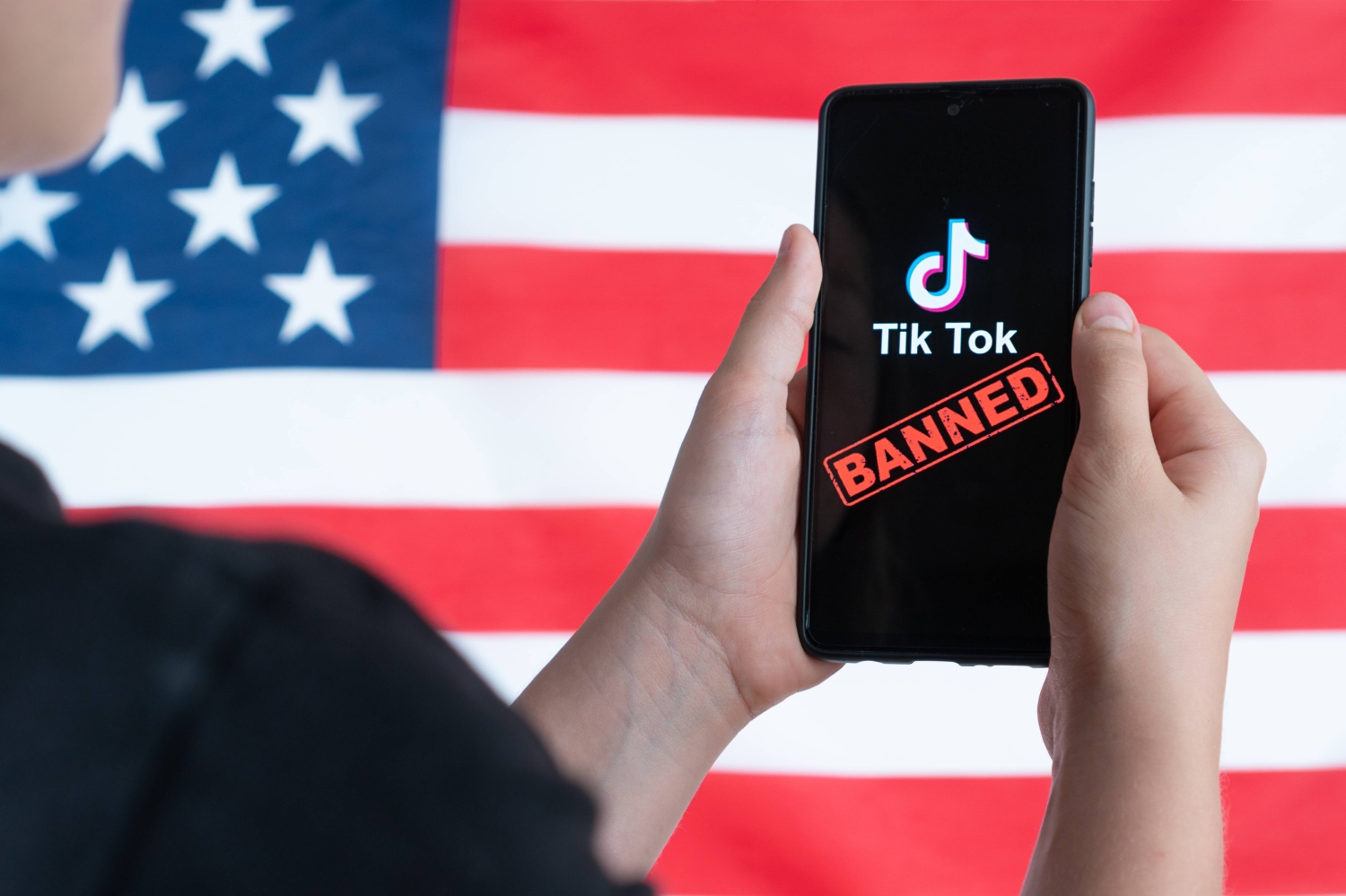
In the ever-changing landscape of social media, platforms are constantly evolving and adapting to new trends and user behaviors. Among the most popular social media apps, TikTok has emerged as a household name, with over a billion active users worldwide. However, in recent months, concerns have been raised about the app's impact on mental health, user data, and societal norms. As a result, several countries have taken action against TikTok, banning the app or imposing strict regulations. In this article, we'll delve into the fallout of TikTok's ban, exploring the reasons behind it, the impact on users, and the implications for the future of social media.
For years, TikTok has been at the center of controversy, with critics raising concerns about the app's influence on children, teenagers, and young adults. The platform's short-form video format, coupled with its algorithm-driven "For You" page, has led to allegations of addictive behavior and mental health issues. Furthermore, concerns have been raised about the app's handling of user data, with many users expressing anxiety about their personal information being used for targeted advertising.
In addition to these concerns, TikTok has also been criticized for its spread of misinformation and propaganda. The app's open approach to content moderation has allowed for the proliferation of fake news, conspiracy theories, and hate speech, which has sparked outrage among lawmakers and citizens alike.
The Reasons Behind TikTok's Ban
Several countries have taken action against TikTok, citing concerns about national security, data protection, and user safety. In India, the government banned TikTok in 2020, citing concerns about the app's handling of user data and its alleged ties to the Chinese government. Similarly, in the United States, lawmakers have introduced bills aimed at banning TikTok, citing concerns about the app's data collection practices and potential ties to the Chinese Communist Party.
Key Factors Contributing to the Ban
Several key factors have contributed to the ban of TikTok in several countries:
- Data protection concerns: TikTok has been accused of collecting user data without proper consent, raising concerns about data protection and national security.
- Misinformation and propaganda: TikTok's open approach to content moderation has allowed for the spread of misinformation and propaganda, which has sparked outrage among lawmakers and citizens.
- National security concerns: TikTok's alleged ties to the Chinese government have raised concerns about national security and the potential for espionage.
- Addictive behavior: TikTok's algorithm-driven "For You" page has been criticized for promoting addictive behavior, particularly among children and teenagers.
The Impact on Users
The ban of TikTok has had a significant impact on users, particularly those who rely on the app for entertainment, socialization, and self-expression. Many users have expressed anxiety and frustration about the app's closure, with some taking to social media to vent their emotions.
Key Effects on Users
Some key effects of the ban on users include:
- Loss of social connections: TikTok has a large and active user base, with many users relying on the app to connect with friends and family.
- Reduced self-expression: TikTok has provided a platform for users to express themselves through creative content, which has been limited by the ban.
- Increased anxiety and frustration: The ban has caused significant anxiety and frustration among users, particularly those who rely on the app for entertainment and socialization.
- Shift to alternative platforms: Some users have shifted to alternative platforms, such as Instagram and YouTube, to fill the void left by TikTok.
The Implications for the Future of Social Media
The ban of TikTok has significant implications for the future of social media, particularly in terms of data protection, content moderation, and user safety. As governments and lawmakers continue to scrutinize social media platforms, it's likely that we'll see a shift towards more regulated and transparent platforms.
Key Implications for Social Media
Some key implications for social media include:
- Increased regulation: The ban of TikTok has highlighted the need for increased regulation of social media platforms, particularly in terms of data protection and content moderation.
- More transparent platforms: The ban has sparked a renewed focus on transparency and accountability among social media platforms, with many users demanding more information about data collection and content moderation practices.
- Shift towards alternative platforms: The ban has accelerated the shift towards alternative platforms, such as Instagram and YouTube, which may offer more user-friendly and engaging experiences.
- New business models: The ban has raised questions about the viability of social media platforms as a business model, with many users questioning the value of advertising-driven platforms.
Recent Post
Unlocking The Secrets Of Menopause: Expert Insights On Navigating Life After 40 With Paolo Tantoco
Tensions Rise As Trump Officials Defend Tariffs Amid Market Volatility And Warnings For Savers And Retirees
Rosie O'Donnell Teases Trump Move, Posts Disruptive Selfie From Abroad
Wings For The Win: Capitals Edge Ducks 7-4 In Thrilling Matchup
Ducks Fall Short: Key Takeaways From Thrilling 7-4 Loss To Capitals
Article Recommendations
- Unveiling The Sacred Essence Of Shri: A Journey Of Divine Radiance
- Unveiling Gina Wapd: The Frisky Ice Queen Conquering The Internet
- Dafne Keen: The Rising Hollywood Star And Her Breakthrough Roles