The Great Clock Heist: Uncovering the Dark History Behind Daylight Saving Time
Daylight Saving Time (DST) - a bi-annual ritual that has been debated for centuries. While some argue that it's a necessary evil to make better use of natural daylight, others claim that it's an outdated practice that disrupts our natural rhythms. But have you ever wondered why we spring forward in the first place? What's the true history behind this baffling tradition? In this article, we'll delve into the dark past of DST and explore the reasons behind its implementation.
The Concept of DST Dates Back to the 18th Century
The idea of adjusting our clocks to make better use of daylight has been around for over two centuries. In 1784, Benjamin Franklin, the American statesman and philosopher, proposed the concept of DST in a satirical essay titled "An Economical Project for Diminishing the Cost of Light." Franklin suggested that people could conserve candles by getting up earlier in the summer, thus reducing the need for lighting.
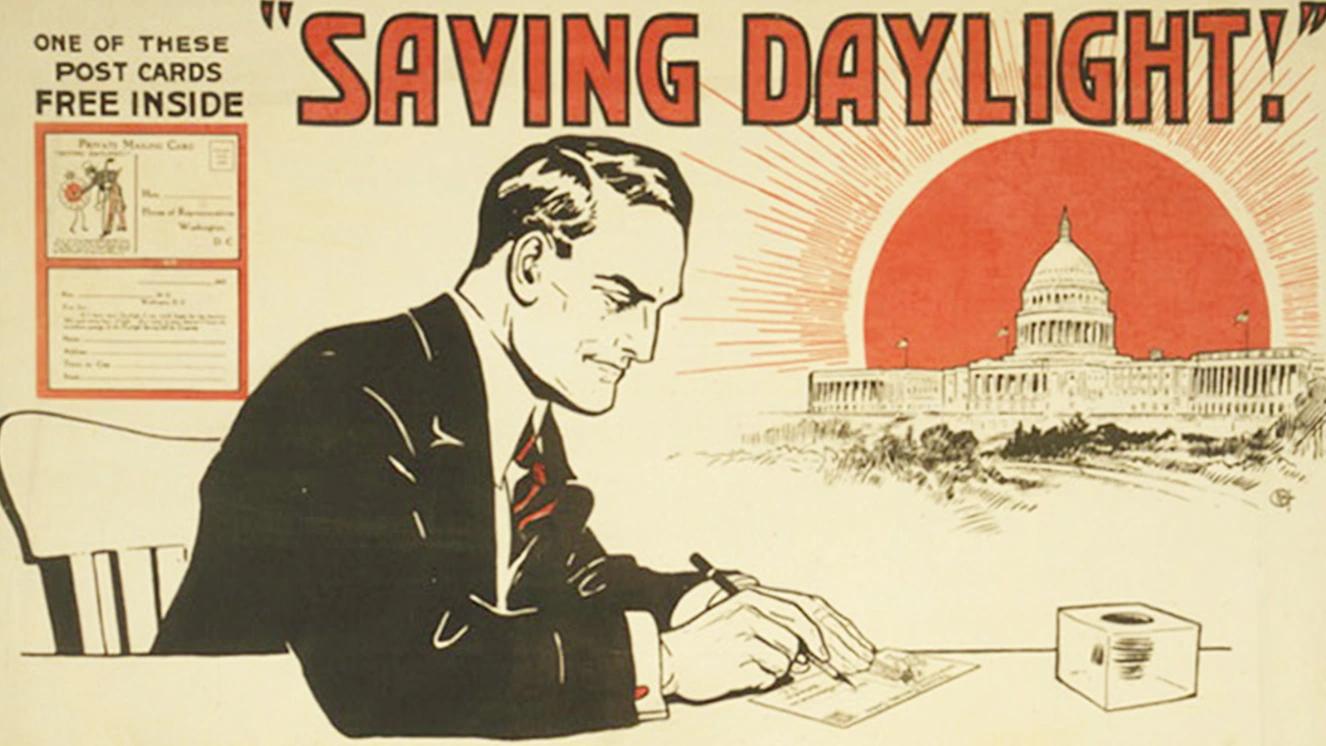
However, it wasn't until World War I that DST was first implemented on a large scale. Germany and Austria introduced DST in 1916 as a way to conserve energy for the war effort. Other countries, including the United States, soon followed suit. The US implemented DST in 1918, but it was met with resistance and was eventually repealed in 1919.
The Origins of DST in the US
The modern version of DST in the US was reintroduced during World War II, as a way to conserve energy and resources for the war effort. President Franklin D. Roosevelt signed Executive Order 8985 in 1942, which established DST across the entire country. The order went into effect on February 9, 1942, and lasted until September 30, 1945.
The Original Purpose of DST
The primary purpose of DST was to reduce energy consumption and help the US war effort. By making better use of natural daylight, people could reduce their energy consumption and redirect it towards the war effort. The US government estimated that DST would save 3% of the country's energy consumption, which was a significant amount considering the country was already under wartime restrictions.
The Impact of DST on Society
While the original purpose of DST was to conserve energy, its impact on society has been more complex. Many argue that DST disrupts our natural rhythms and can have negative effects on our health, productivity, and overall quality of life.
The Disruption of Sleep Patterns
One of the most significant effects of DST is the disruption of our sleep patterns. When we spring forward, we lose one hour of sleep, which can have negative effects on our health and productivity. Studies have shown that the loss of sleep can lead to increased risk of heart attacks, strokes, and other health problems.
The Impact on Children and the Elderly
Children and the elderly are particularly vulnerable to the disruptions caused by DST. Children may have difficulty adjusting to the new sleep schedule, which can lead to behavioral problems and decreased academic performance. The elderly may also experience negative effects, such as decreased cognitive function and increased risk of falls.
The Dark Side of DST
Despite its original purpose, DST has been criticized for its negative effects on society. Many argue that the benefits of DST are not worth the costs, and that it is an outdated practice that no longer serves its original purpose.
The Energy Savings Debate
While some argue that DST helps to conserve energy, others claim that the energy savings are minimal and not worth the disruption to our lives. A study by the US Department of Energy found that DST saves approximately 0.3% of energy consumption, which is a relatively small amount considering the country's energy consumption.
The Economic Costs of DST
In addition to the negative effects on our health and productivity, DST also has significant economic costs. A study by the National Bureau of Economic Research found that the economic costs of DST outweigh the benefits, with estimates suggesting that DST costs the US economy around $434 million per year.
The Regional Variations
One of the most significant criticisms of DST is that it does not take into account regional variations in daylight hours. While the US has a relatively consistent daylight pattern, other countries have different patterns, which can make DST less effective.
The Effects on Rural Areas
Rural areas are particularly affected by DST, as they often have more extreme variations in daylight hours. In these areas, the disruption caused by DST can be particularly severe, with some areas experiencing as much as 30 minutes of additional daylight in the summer.
Conclusion
In conclusion, the history of DST is complex and multifaceted. While it was initially implemented as a way to conserve energy, its negative effects on society have led many to question its necessity. As we continue to debate the merits of DST, it's essential to consider the dark history behind this tradition and the impact it has on our lives.
By understanding the origins and effects of DST, we can work towards creating a more sustainable and equitable system that takes into account the needs of all individuals and communities.
Frequently Asked Questions
- Q: When is Daylight Saving Time implemented in the US?
A: Daylight Saving Time is implemented in the US on the second Sunday in March, at 2:00 a.m. local time. - Q: When is Daylight Saving Time implemented in the US?
A: Daylight Saving Time is implemented in the US on the first Sunday in November, at 2:00 a.m. local time. - Q: What are the benefits of Daylight Saving Time?
A: Some of the benefits of Daylight Saving Time include increased daylight hours in the evening, reduced energy consumption, and improved overall health. - Q: What are the negative effects of Daylight Saving Time?
A: Some of the negative effects of Daylight
Recent Post
Unlocking The Secrets Of Menopause: Expert Insights On Navigating Life After 40 With Paolo Tantoco
Tensions Rise As Trump Officials Defend Tariffs Amid Market Volatility And Warnings For Savers And Retirees
Rosie O'Donnell Teases Trump Move, Posts Disruptive Selfie From Abroad
Wings For The Win: Capitals Edge Ducks 7-4 In Thrilling Matchup
Ducks Fall Short: Key Takeaways From Thrilling 7-4 Loss To Capitals
Article Recommendations
- Honey Toon: The Ultimate Animated Marketing Tool For Businesses
- Unveiling The Allure Of Diabla Lara: A Symphony Of Mystery And Charismatic Rebellion
- Unleash Your SEO Prowess: Dominate The Competition With Advanced Rank Tracking