Embracing a Brighter Future: The Future of Solar Energy and Combatting Rising Electricity Costs
As the world grapples with the challenges of climate change, energy security, and rising electricity costs, the future of solar energy has never been more promising. With the cost of solar panels decreasing dramatically over the past decade, solar energy has become an attractive alternative to traditional fossil fuel-based power generation. In this article, we will explore the current state of the solar industry, its potential for growth, and the ways in which it can help combat rising electricity costs.
The solar industry has experienced rapid growth in recent years, driven by advances in technology, decreasing costs, and increasing demand for renewable energy. According to the International Energy Agency (IEA), solar power capacity is expected to increase by 22% annually from 2020 to 2025, driven by a 15% increase in demand. This growth is driven by a number of factors, including declining costs, improved efficiency, and government incentives.
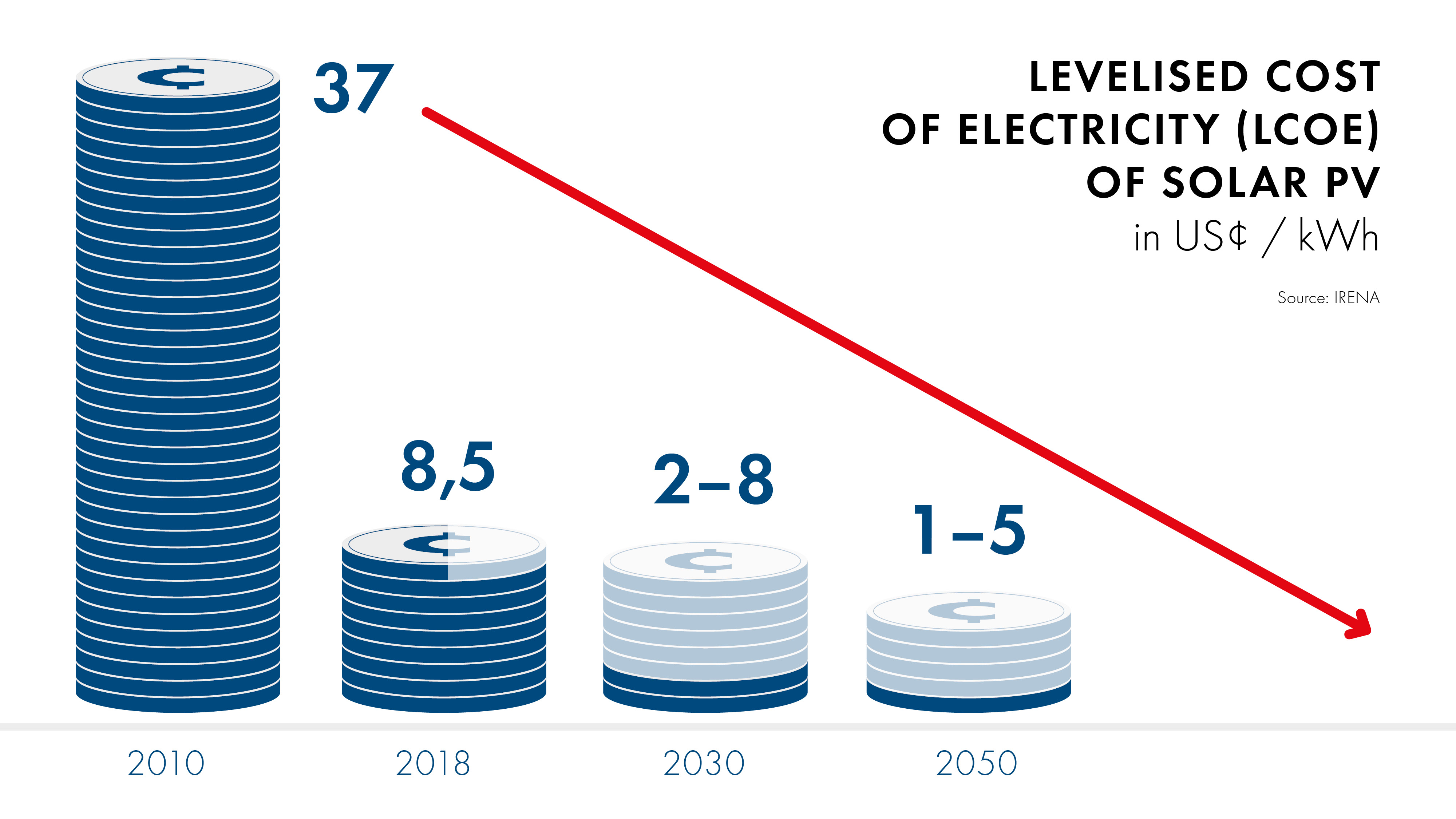
The cost of solar panels has decreased dramatically over the past decade, making it more affordable for individuals and businesses to invest in solar energy. The cost of solar panels has fallen by over 70% since 2010, making it one of the fastest-decreasing costs in the history of the energy industry. This decrease in cost has made solar energy more competitive with fossil fuels, making it an increasingly attractive option for households and businesses.
In addition to decreasing costs, advances in technology have also improved the efficiency of solar panels. The average efficiency of solar panels has increased from 15% in 2008 to over 20% in 2020. This improvement in efficiency has allowed solar panels to generate more electricity from the same amount of sunlight, making them a more viable option for households and businesses.
Government incentives have also played a significant role in driving the growth of the solar industry. Many governments around the world offer tax credits, grants, and other incentives to encourage the adoption of solar energy. These incentives have helped to reduce the cost of solar panels and make them more accessible to households and businesses.
The Benefits of Solar Energy
Solar energy offers a number of benefits, including reduced greenhouse gas emissions, lower electricity costs, and improved energy security. By generating electricity from sunlight, solar energy reduces the reliance on fossil fuels, which are a major contributor to greenhouse gas emissions.
Reducing greenhouse gas emissions is a critical component of addressing climate change. According to the Intergovernmental Panel on Climate Change (IPCC), limiting global warming to 1.5°C above pre-industrial levels requires a significant reduction in greenhouse gas emissions. Solar energy can play a critical role in achieving this goal.
In addition to reducing greenhouse gas emissions, solar energy can also help to lower electricity costs. By generating electricity from sunlight, households and businesses can reduce their reliance on the grid and save money on their energy bills.
The Impact of Solar Energy on the Grid
Solar energy can have a significant impact on the grid, particularly in areas with high levels of solar irradiance. By generating electricity from sunlight, solar panels can help to reduce the strain on the grid and increase energy security.
One of the most significant impacts of solar energy on the grid is the reduction of peak demand. During the summer months, solar panels can generate electricity during the day, reducing the need for air conditioning and other peak-demand appliances. This reduction in peak demand can help to reduce the strain on the grid and prevent brownouts and blackouts.
Solar energy can also help to stabilize the grid by providing a source of dispatchable power. Dispatchable power is electricity that can be turned on and off at will, providing a stable source of power for households and businesses. This is in contrast to intermittent power sources like wind and solar, which can be unpredictable and difficult to dispatch.
The Future of Solar Energy
The future of solar energy is bright, with a number of trends and innovations that are expected to shape the industry in the coming years. One of the most significant trends is the growth of solar-plus-storage systems. These systems combine solar panels with energy storage systems, allowing households and businesses to store excess energy generated during the day for use during periods of high demand.
Another trend is the growth of floating solar panels. Floating solar panels are designed to be installed on water, providing a new and innovative way to generate electricity from sunlight. This technology has the potential to unlock new areas for solar energy production, particularly in urban areas where land is limited.
Solar Energy for Industries
Solar energy can play a critical role in a number of industries, including agriculture, manufacturing, and logistics. In agriculture, solar energy can provide power for irrigation systems, reducing the need for fossil fuels and increasing crop yields.
In manufacturing, solar energy can provide power for industrial processes, reducing energy costs and increasing efficiency. This is particularly important for industries that require high levels of energy, such as cement and steel production.
Solar Energy for Buildings
Solar energy can be used to power buildings, reducing energy costs and increasing energy efficiency. Building-integrated photovoltaics (BIPV) are solar panels that are integrated into building design, providing both electricity and aesthetic appeal.
BIPV systems can be used to power entire buildings, reducing energy costs and increasing energy efficiency. This is particularly important for commercial and residential buildings, where energy costs can be significant.
Challenges and Limitations
While solar energy has many benefits, it also faces a number of challenges and limitations. One of the most significant challenges is the intermittency of solar power. Solar power is generated from sunlight, which can be unpredictable and variable.
To address this challenge, solar-plus-storage systems are becoming increasingly popular. These systems combine solar panels with energy storage systems, allowing households and businesses to store excess energy generated during the day for use during periods of high demand.
Another challenge facing the solar industry is the availability of land. In many areas, land is limited, making it
Recent Post
Unlocking The Secrets Of Menopause: Expert Insights On Navigating Life After 40 With Paolo Tantoco
Tensions Rise As Trump Officials Defend Tariffs Amid Market Volatility And Warnings For Savers And Retirees
Rosie O'Donnell Teases Trump Move, Posts Disruptive Selfie From Abroad
Wings For The Win: Capitals Edge Ducks 7-4 In Thrilling Matchup
Ducks Fall Short: Key Takeaways From Thrilling 7-4 Loss To Capitals
Article Recommendations
- Is Diddy Still Alive? The Truth About The Rumors
- Unveiling The Age Mystery: Isavid Muir's Wife's Surprising Age Revealed
- Annaawai: Marriage Status And Relationship History Unveiled