The Chip Act: A Game-Changer for the Tech Industry
The world of technology is constantly evolving, and one of the most significant developments in recent years has been the introduction of the Chip Act. This landmark legislation has sent shockwaves throughout the industry, and its impact will be felt for years to come. The Chip Act is a comprehensive overhaul of the US microchip industry, aimed at reducing America's reliance on foreign-made chips and stimulating economic growth.
The current state of the US microchip industry is precarious, with the country facing a severe shortage of critical components used in everything from smartphones to self-driving cars. This shortage has been exacerbated by the COVID-19 pandemic, which disrupted global supply chains and forced companies to scramble for alternative sources. The result is a thriving black market for microchips, with prices skyrocketing to unsustainable levels.
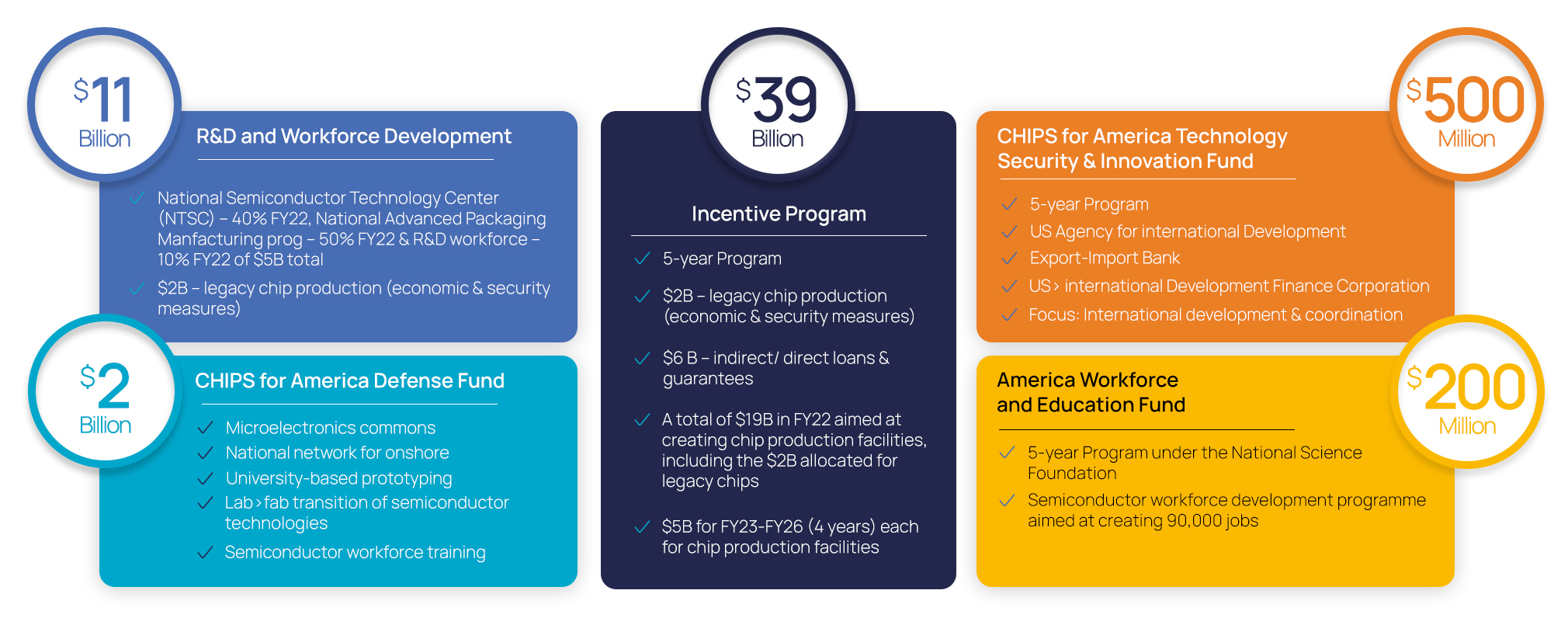
The Chip Act is designed to address this crisis by promoting the domestic production of microchips. By investing in state-of-the-art manufacturing facilities and providing incentives for companies to invest in the sector, the legislation aims to create a robust and sustainable industry that can meet the needs of the US market. This will not only boost economic growth but also ensure that critical components are no longer subject to foreign interference.
One of the key features of the Chip Act is its provision for the creation of new microchip manufacturing facilities. These facilities will be supported by a significant investment of government funds, which will be matched by private sector investments. This will enable companies to establish new production lines and expand existing ones, resulting in a significant increase in domestic chip production.
The Chip Act also includes provisions for the development of new technologies and manufacturing processes. By providing funding for research and development, the legislation aims to stay ahead of the curve and ensure that the US remains at the forefront of microchip innovation. This will enable companies to develop new and more efficient manufacturing processes, which will help to reduce production costs and increase productivity.
Economic Benefits of the Chip Act
The economic benefits of the Chip Act are significant, and far-reaching. By promoting the domestic production of microchips, the legislation aims to create a robust and sustainable industry that can meet the needs of the US market. This will result in:
• A significant reduction in the cost of microchips, which will help to reduce prices for consumers and stimulate economic growth
• The creation of new jobs and industries, which will help to stimulate economic growth and reduce unemployment
• A reduction in the country's reliance on foreign-made chips, which will help to strengthen national security and reduce the risk of supply chain disruptions
• An increase in the competitiveness of US companies, which will help to stimulate innovation and economic growth
Technological Advantages of the Chip Act
The Chip Act also includes provisions for the development of new technologies and manufacturing processes. By providing funding for research and development, the legislation aims to stay ahead of the curve and ensure that the US remains at the forefront of microchip innovation. This will enable companies to develop new and more efficient manufacturing processes, which will help to reduce production costs and increase productivity.
Some of the key technological advantages of the Chip Act include:
• The development of new 3D stacked chip architectures, which will enable the creation of more powerful and efficient microchips
• The use of advanced materials and manufacturing processes, such as graphene and silicon carbide, which will help to reduce production costs and increase performance
• The development of new artificial intelligence and machine learning technologies, which will enable companies to optimize their manufacturing processes and reduce waste
• The creation of new testing and validation technologies, which will help to ensure the quality and reliability of microchips
International Implications of the Chip Act
The Chip Act has significant international implications, and will impact the global microchip industry in a number of ways. Some of the key implications include:
• A shift in the global balance of power, as the US becomes a major player in the microchip industry
• Increased competition from other countries, such as China and South Korea, which will drive innovation and reduce costs
• The creation of new trade relationships and agreements, which will help to promote economic growth and stability
• The potential for conflict and competition, as countries compete for access to critical microchip technologies
Industry Response to the Chip Act
The industry response to the Chip Act has been mixed, with some companies welcoming the legislation as a game-changer and others expressing concerns about the potential impact on their business. Some of the key reactions include:
• Intel, which has announced plans to invest $20 billion in new microchip manufacturing facilities
• Texas Instruments, which has announced plans to expand its existing manufacturing operations and invest in new technologies
• Micron Technology, which has expressed concerns about the potential impact of the legislation on its business model
• AMD, which has welcomed the legislation as a major boost to the industry
Conclusion
The Chip Act is a landmark legislation that has the potential to transform the US microchip industry. By promoting the domestic production of microchips, the legislation aims to create a robust and sustainable industry that can meet the needs of the US market. This will result in significant economic benefits, including reduced costs, increased competitiveness, and job creation. As the industry responds to the legislation, it will be interesting to see how companies adapt and innovate to stay ahead of the curve. One thing is clear, however: the Chip Act is a game-changer for the tech industry, and its impact will be felt for years to come.
Recent Post
Unlocking The Secrets Of Menopause: Expert Insights On Navigating Life After 40 With Paolo Tantoco
Tensions Rise As Trump Officials Defend Tariffs Amid Market Volatility And Warnings For Savers And Retirees
Rosie O'Donnell Teases Trump Move, Posts Disruptive Selfie From Abroad
Wings For The Win: Capitals Edge Ducks 7-4 In Thrilling Matchup
Ducks Fall Short: Key Takeaways From Thrilling 7-4 Loss To Capitals
Article Recommendations
- Metro Boomin's Remarkable Stature: Uncovering The Producer's Towering Presence
- Unveiling The Age Of Katiana Kay: Behind The Curtain Of A Rising Star
- Meet Charlotte Parkes: The Rising Star Of Hollywood