The Great Time-Keeping Debate: Uncovering the Dark Side of Daylight Saving Time
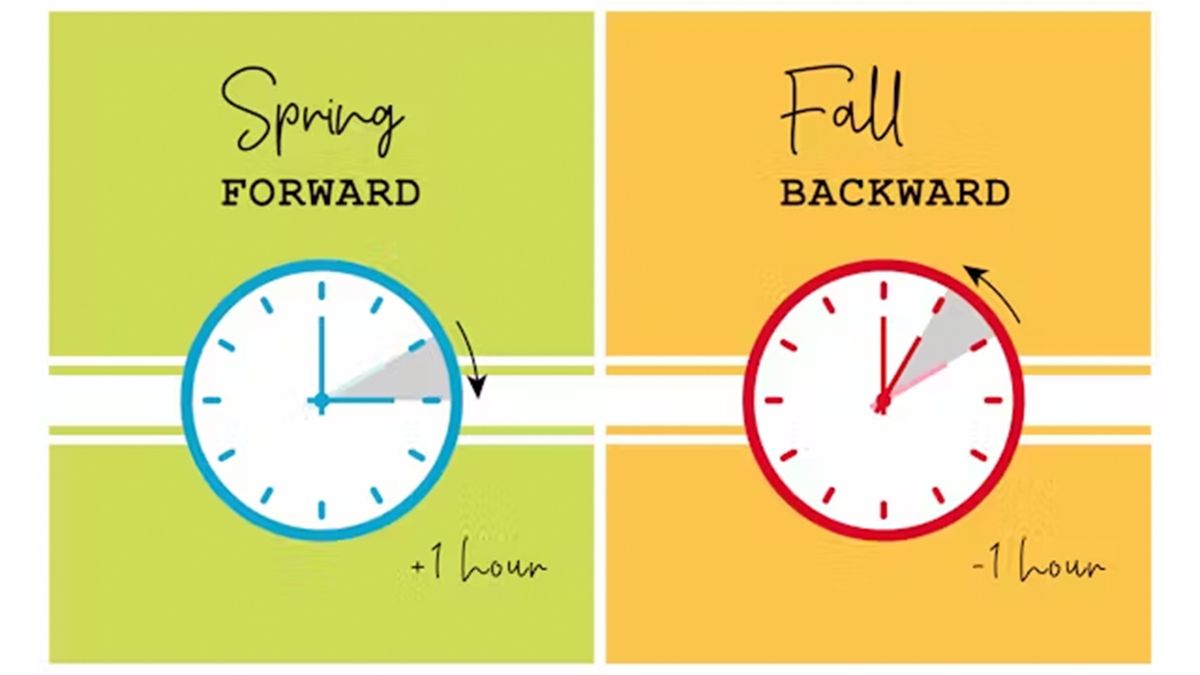
As the clocks spring forward and we usher in the new season of Daylight Saving Time (DST), many of us can't help but wonder: is this twice-yearly practice really worth it? While some argue that DST brings energy savings, boosts economic growth, and improves public health, others claim that the negative effects far outweigh any potential benefits. In this article, we'll delve into the complexities of DST and explore the case against this widely practiced tradition.
A Brief History of Daylight Saving Time
DST was first introduced during World War I as a way to conserve energy. Germany and Austria implemented the practice in 1916, and soon other countries followed suit. The United States adopted DST in 1918, but it was met with resistance and eventually repealed in 1919. However, during World War II, the US reinstated DST as a way to conserve energy for the war effort. Since then, most countries have adopted some form of DST, although the start and end dates vary.
Energy Consumption: A Dubious Boost
One of the primary arguments in favor of DST is that it leads to energy savings. By moving the clock forward, people typically use less energy for lighting and heating in the evening. However, studies have shown that the energy savings from DST are far outweighed by the negative effects on energy consumption. In fact, a study by the American Council for an Energy-Efficient Economy found that the energy savings from DST are negligible, and that the practice actually leads to a net increase in energy consumption.
Economic Costs: The Hidden Toll
While some argue that DST boosts economic growth by increasing the number of daylight hours available for outdoor activities, the reality is far more complex. A study by the University of California, Berkeley found that the economic benefits of DST are largely outweighed by the costs. The study estimated that the economic benefits of DST are equivalent to a mere $0.01 per day, while the costs are estimated to be in the tens of millions of dollars.
Examples of Economic Costs
• Increased transportation costs: Studies have shown that the number of accidents on the roads increases during the first week of DST, leading to increased costs for insurance companies and taxpayers.
• Medical costs: The time change can disrupt sleep patterns, leading to increased healthcare costs for people who experience sleep disorders or other health problems related to the time change.
• Agricultural costs: Farmers who rely on precise timing for planting and harvesting may be negatively impacted by the time change, leading to decreased crop yields and lower prices.
Public Health: A Mixed Bag
Proponents of DST argue that the practice improves public health by increasing the amount of daylight hours available for outdoor activities. However, the evidence is far from conclusive. While some studies have found a link between increased physical activity and improved health, others have found no such correlation. Additionally, the time change can disrupt sleep patterns, leading to increased healthcare costs and decreased productivity.
Examples of Public Health Concerns
• Sleep disorders: The time change can disrupt sleep patterns, leading to increased healthcare costs for people who experience sleep disorders such as insomnia or sleep apnea.
• Cardiovascular disease: Studies have found that the time change can increase the risk of cardiovascular disease, particularly for people who experience cardiovascular events during the first week of DST.
• Depression: Some research has suggested that the time change can lead to increased rates of depression, although the evidence is far from conclusive.
The Impact on Our Circadian Rhythms
One of the most significant concerns about DST is its impact on our circadian rhythms. The time change can disrupt our natural sleep-wake cycles, leading to a range of negative effects on our physical and mental health. A study by the National Sleep Foundation found that the time change can lead to increased symptoms of depression, anxiety, and fatigue.
Examples of Circadian Rhythm Concerns
• Disrupted sleep patterns: The time change can disrupt our natural sleep-wake cycles, leading to difficulty falling asleep and staying asleep.
• Decreased productivity: The time change can lead to decreased productivity, as people struggle to adjust to the new sleep schedule.
• Increased risk of chronic diseases: Research has found that disrupted circadian rhythms can increase the risk of chronic diseases such as diabetes, obesity, and cardiovascular disease.
The Case for Abolishing Daylight Saving Time
In recent years, there has been growing momentum to abolish DST altogether. In 2019, the US Senate passed the Sunshine Protection Act, which would have made DST permanent. However, the bill ultimately stalled in the House of Representatives. Despite the lack of progress, the case against DST remains strong. By continuing to implement DST, we risk further disrupting our natural sleep-wake cycles, increasing our energy consumption, and decreasing our overall quality of life.
Conclusion
While the debate over DST continues, it's clear that the practice has far-reaching consequences that are not always positive. By understanding the complex issues surrounding DST, we can begin to develop more effective solutions to the problems it poses. As we move forward, it's essential that we prioritize our health, our energy consumption, and our overall well-being – rather than blindly following a tradition that may not be serving us.
Recent Post
Unlocking The Secrets Of Menopause: Expert Insights On Navigating Life After 40 With Paolo Tantoco
Tensions Rise As Trump Officials Defend Tariffs Amid Market Volatility And Warnings For Savers And Retirees
Rosie O'Donnell Teases Trump Move, Posts Disruptive Selfie From Abroad
Wings For The Win: Capitals Edge Ducks 7-4 In Thrilling Matchup
Ducks Fall Short: Key Takeaways From Thrilling 7-4 Loss To Capitals
Article Recommendations
- Unveiling The Enigma: Delving Into The Secrets Of The Blackeye Club
- Cassie Parents: Uncovering The Truth Behind The Official Story
- Unveiling The Mystery: Is Ileo Roselliott Secretly Married?