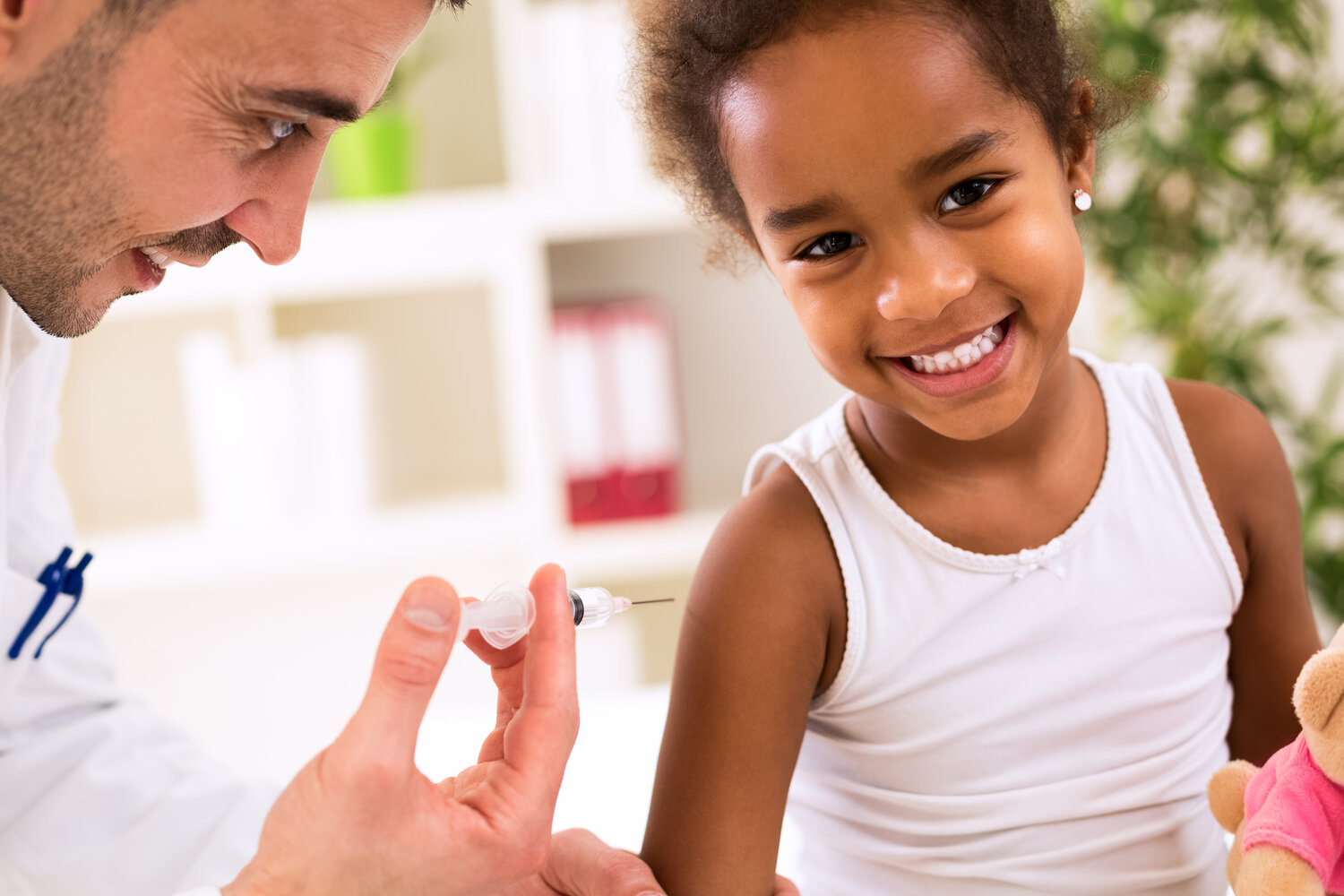
Shining a Light on Maternal and Infant Vaccination Gaps: Understanding the Importance of Accurate Information
As the world grapples with the COVID-19 pandemic, one of the most pressing concerns has been the impact on maternal and infant health. The pandemic has highlighted the need for accurate and reliable information on vaccination, particularly for pregnant women and new mothers. However, a lack of access to trustworthy information has led to vaccination gaps, putting not only maternal and infant health at risk but also the overall community's well-being. In this article, we will delve into the issue of maternal and infant vaccination gaps, explore the causes and consequences, and discuss the importance of accurate education and information in addressing these gaps.
The Current State of Maternal and Infant Vaccination
The World Health Organization (WHO) and the Centers for Disease Control and Prevention (CDC) have emphasized the importance of vaccination in preventing diseases and protecting public health. However, despite these efforts, maternal and infant vaccination rates remain a concern. According to the CDC, in 2020, only 84% of infants received the recommended vaccinations on schedule, with significant gaps in vaccination rates for certain groups, including low-income families and communities of color.
Disparities in Vaccination Rates
Disparities in vaccination rates are a pressing concern, with certain groups facing significant barriers to accessing accurate and reliable information. These disparities can be attributed to various factors, including:
- Limited access to healthcare services
- Lack of awareness about vaccination benefits and risks
- Cultural and linguistic barriers
- Limited access to trusted sources of information
- Socioeconomic disparities
The Impact of Vaccination Gaps
The consequences of vaccination gaps are far-reaching, with serious implications for maternal and infant health. Some of the most significant risks include:
- Increased risk of vaccine-preventable diseases
- Maternal and infant mortality
- Long-term health consequences, including neurological damage and developmental delays
- Economic burdens on families and communities
The Importance of Accurate Education and Information
Accurate education and information are crucial in addressing maternal and infant vaccination gaps. This includes:
- Ensuring access to trusted sources of information, such as healthcare providers and reputable health organizations
- Providing culturally sensitive and linguistically appropriate information
- Addressing socioeconomic disparities and promoting health equity
- Engaging with communities and families to promote vaccination awareness and uptake
Barriers to Accessing Accurate Information
Barriers to accessing accurate information are significant, with many communities facing challenges in obtaining trustworthy sources of information. Some of the most common barriers include:
- Limited access to healthcare services
- Lack of awareness about vaccination benefits and risks
- Cultural and linguistic barriers
- Limited access to technology and digital resources
- Disinformation and misinformation
Overcoming Barriers to Access
To overcome these barriers, we need to address the root causes of the problem. This includes:
- Increasing access to healthcare services and trusted sources of information
- Providing culturally sensitive and linguistically appropriate education and support
- Promoting health equity and addressing socioeconomic disparities
- Engaging with communities and families to promote vaccination awareness and uptake
Strategies for Promoting Vaccination Awareness and Uptake
Promoting vaccination awareness and uptake requires a multifaceted approach. Some effective strategies include:
- Developing targeted education and outreach programs
- Leveraging technology and digital resources to reach hard-to-reach communities
- Collaborating with community leaders and organizations to promote vaccination awareness
- Providing incentives and rewards for vaccination uptake
Examples of Effective Strategies
- The CDC's Vaccination Communication Toolkit provides a comprehensive guide to promoting vaccination awareness and uptake.
- The American Academy of Pediatrics (AAP) has developed a vaccination education program specifically for pediatricians and healthcare providers.
- The National Association of Community Health Centers (NACHC) has launched a vaccination awareness campaign targeting underserved communities.
Conclusion
Maternal and infant vaccination gaps are a pressing concern, with significant implications for public health. Accurate education and information are crucial in addressing these gaps, and it is essential to address the root causes of the problem. By promoting health equity, addressing socioeconomic disparities, and leveraging technology and digital resources, we can overcome the barriers to accessing accurate information and promote vaccination awareness and uptake. Ultimately, it is up to us to shine a light on the importance of maternal and infant vaccination, ensuring a healthier and safer future for all.
Recent Post
Unlocking The Secrets Of Menopause: Expert Insights On Navigating Life After 40 With Paolo Tantoco
Tensions Rise As Trump Officials Defend Tariffs Amid Market Volatility And Warnings For Savers And Retirees
Rosie O'Donnell Teases Trump Move, Posts Disruptive Selfie From Abroad
Wings For The Win: Capitals Edge Ducks 7-4 In Thrilling Matchup
Ducks Fall Short: Key Takeaways From Thrilling 7-4 Loss To Capitals
Article Recommendations
- Lori Greiner's Incredible Journey To Shark Tank Success: Behind The Scenes With The Queen Of QVC
- Unveiling The Hidden Meaning Of "Whenid Piddyie": A Tale Of Secret Communication
- Unveiling The True Weight: Sabrina Carpenter's Physique Revealed