The Supreme Court Weighs in on TikTok: A High-Stakes Battle for Free Speech
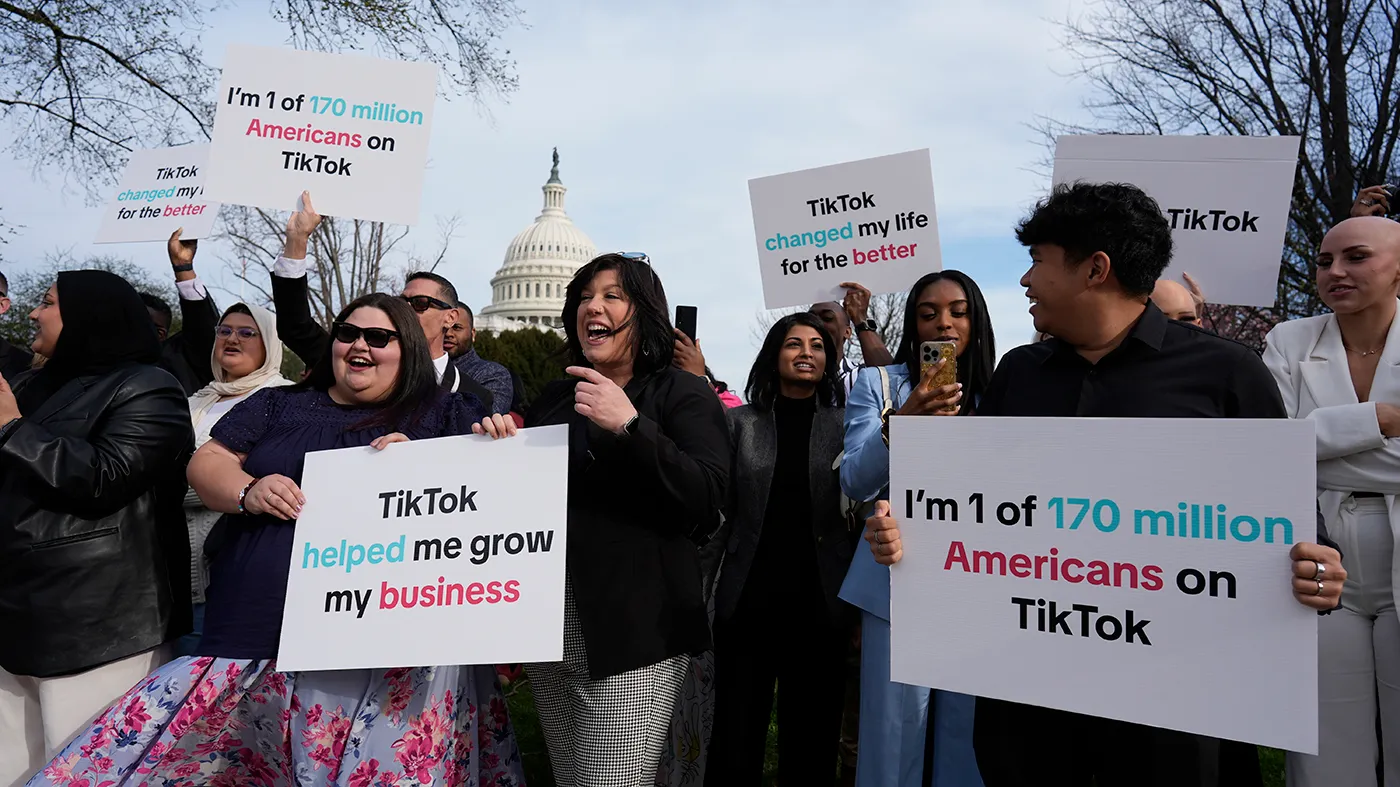
In a landmark case that has sent shockwaves throughout the tech industry and beyond, the Supreme Court has agreed to take on TikTok, the popular social media platform owned by Chinese company ByteDance. The case, which is currently making its way through the federal courts, centers on a core question: can a private company be forced to censor content that the government deems to be "foreign propaganda"? The answer, according to experts, has significant implications for the future of free speech in the United States.
As the global reach of social media continues to grow, so too does the concern about the ability of governments to exert control over online speech. In recent years, countries such as China, Russia, and Turkey have implemented increasingly restrictive policies aimed at regulating or censoring online content deemed to be a threat to national security or social stability. In the United States, the conversation around free speech has long been a contentious one, with lawmakers and activists on both sides of the aisle debating the role of government in regulating online content.
For its part, TikTok has long been at the center of this debate, with critics arguing that the platform's Chinese ownership poses a significant risk to national security and free speech. Under the current administration, the Department of Justice has taken steps to crack down on TikTok, including issuing a warning to users that their data may be shared with the Chinese government. However, in a move that has been hailed as a major victory for free speech advocates, the Supreme Court has agreed to hear a case that could potentially put these restrictions in its place.
The Background
To understand the significance of this case, it's necessary to look at the broader context in which it emerged. In recent years, there has been a growing concern about the role of Chinese technology companies in the United States. As the global economy becomes increasingly interconnected, there is a growing fear that Chinese companies such as Huawei, ZTE, and ByteDance may be using their technology to compromise national security.
At the heart of this concern is the ability of Chinese companies to access sensitive data about American users, including their location, browsing history, and even their financial information. This has raised serious questions about the potential for espionage, hacking, and other forms of cyber attacks.
The Case
So what exactly is the case that the Supreme Court has agreed to hear? The answer lies in a lawsuit filed by a group of Republican lawmakers, who are seeking to force TikTok to remove from its platform all content that is deemed to be "foreign propaganda" by the Chinese government. The lawsuit, which was filed under the Declaratory Judgment Act, argues that TikTok's failure to comply with these demands is in violation of the First Amendment.
The First Amendment at Stake
At its core, this case is about the First Amendment to the United States Constitution, which guarantees the right to free speech and press. The Supreme Court has long recognized that this right is not absolute, and that certain types of speech may be subject to restrictions in order to protect national security or public safety.
However, the issue at the heart of this case is whether or not the government has the authority to force a private company such as TikTok to censor content that it deems to be "foreign propaganda". The answer, according to experts, is no.
The Government's Argument
According to the government, the First Amendment does not apply to private companies such as TikTok, which are not subject to the same level of oversight as government agencies. In other words, the government argues that it has the authority to compel private companies to remove content that it deems to be "foreign propaganda", without fear of reprisal or censorship.
The Free Speech Argument
On the other hand, the defendants in the case, who include TikTok and its parent company ByteDance, argue that the government's attempt to compel them to censor content is a clear violation of the First Amendment. According to the defendants, forcing a private company to remove content from its platform is a form of censorship that is unprecedented in American history.
The Implications
The implications of this case are far-reaching and significant. If the Supreme Court rules in favor of the defendants, it would establish a major precedent for the protection of free speech on social media platforms. It would also send a powerful message to the tech industry, warning that attempts to censor content at the behest of governments will not be tolerated.
On the other hand, if the Supreme Court rules in favor of the government, it would have significant implications for the future of free speech in the United States. It would effectively create a system in which governments have the authority to compel private companies to censor content, and could potentially set a precedent for similar laws and regulations to be enacted in the future.
Potential Consequences
The potential consequences of this case are numerous and far-reaching. Some possible outcomes include:
- The forced removal of content from social media platforms, including TikTok and other popular platforms
- Increased censorship of online speech, particularly content that is deemed to be "foreign propaganda"
- A shift in the balance of power between governments and private companies, with the potential for governments to exert greater control over online speech
- A significant increase in the cost of doing business for social media companies, as they may be forced to invest in robust content moderation systems in order to comply with government demands
The Future of Free Speech
Ultimately, the outcome of this case will have significant implications for the future of free speech in the United States. As the global reach of social media continues to grow, it is likely that we will see more attempts by governments to regulate or censor online content.
However, by establishing a clear precedent for the protection of free speech on social media platforms, the Supreme Court can help to ensure that this fundamental right is preserved for generations to come.
Conclusion
Recent Post
Unlocking The Secrets Of Menopause: Expert Insights On Navigating Life After 40 With Paolo Tantoco
Tensions Rise As Trump Officials Defend Tariffs Amid Market Volatility And Warnings For Savers And Retirees
Rosie O'Donnell Teases Trump Move, Posts Disruptive Selfie From Abroad
Wings For The Win: Capitals Edge Ducks 7-4 In Thrilling Matchup
Ducks Fall Short: Key Takeaways From Thrilling 7-4 Loss To Capitals
Article Recommendations
- Award-Winning Duo: Rami Malek And Portia Doubleday Team Up For Gripping Psychological Thriller
- Uncover The Secrets To Local Google Ranking Success: A Comprehensive Guide
- Discover The World Of Theez: A Unique Tea Experience