Severe Weather Alert: Uncovering the Latest in Storms, Tornadoes, and Weather Forecasts
The start of spring has brought a wave of severe weather across the United States, leaving millions of people without power and facing potential tornado threats. As the storm season heats up, understanding the latest in weather forecasting and tornado alerts has become crucial for those living in affected areas. This comprehensive guide will delve into the world of storms, tornadoes, and weather forecasts, providing readers with the knowledge they need to stay safe during severe weather events.
With the advancement of technology, weather forecasting has become more accurate and reliable than ever before. The National Weather Service (NWS) uses a combination of radar, satellite imagery, and computer models to predict weather patterns, providing critical information to the public. However, the complexity of weather forecasting also means that there are still many variables at play, and predicting the exact track and intensity of a storm can be challenging.
One of the key factors that affects weather forecasting is the use of Doppler radar. Doppler radar uses the principle of radar to detect the velocity of particles in the atmosphere, allowing meteorologists to track the movement of storms and predict their intensity. The National Weather Service's Storm Prediction Center (SPC) relies heavily on Doppler radar to issue timely and accurate warnings of severe weather events.
In addition to Doppler radar, satellite imagery plays a crucial role in weather forecasting. Satellites in orbit around the Earth provide high-resolution images of cloud patterns, allowing meteorologists to track the movement and development of storms. The GOES-16 and GOES-17 satellites, launched by the National Oceanic and Atmospheric Administration (NOAA), provide critical data on weather patterns and are used to issue weather warnings and forecasts.
Understanding Tornado Alley
Tornado Alley, which spans across the central United States, is considered one of the most prone regions to tornadoes. The area includes states such as Texas, Oklahoma, Kansas, Missouri, and Nebraska, and is home to some of the most intense tornadoes in the country. However, tornadoes can occur anywhere, and it's essential for residents and visitors to be aware of the risks and take necessary precautions.
Some of the most common types of tornadoes include:
• Landspout: A weak tornado that forms in association with a thunderstorm.
• Waterspout: A tornado that forms over water.
• Multiple-vortex tornado: A tornado that has multiple columns of rotation.
• Supercell tornado: A tornado that forms in association with a supercell thunderstorm.
Tornado Alerts and Warnings
Tornado alerts and warnings are critical components of weather forecasting. The National Weather Service issues alerts and warnings to inform the public of potential tornado threats, and it's essential to stay informed during severe weather events. The following are the different types of tornado alerts and warnings:
Emergency Management Alert
- EM alert: A message sent to mobile devices and emergency management officials to alert them of a severe weather threat.
- FM alert: A message sent to broadcast media to alert the public of a severe weather threat.
- Sirens: Outdoor sirens are used to alert residents of a severe weather threat.
Watch and Warning
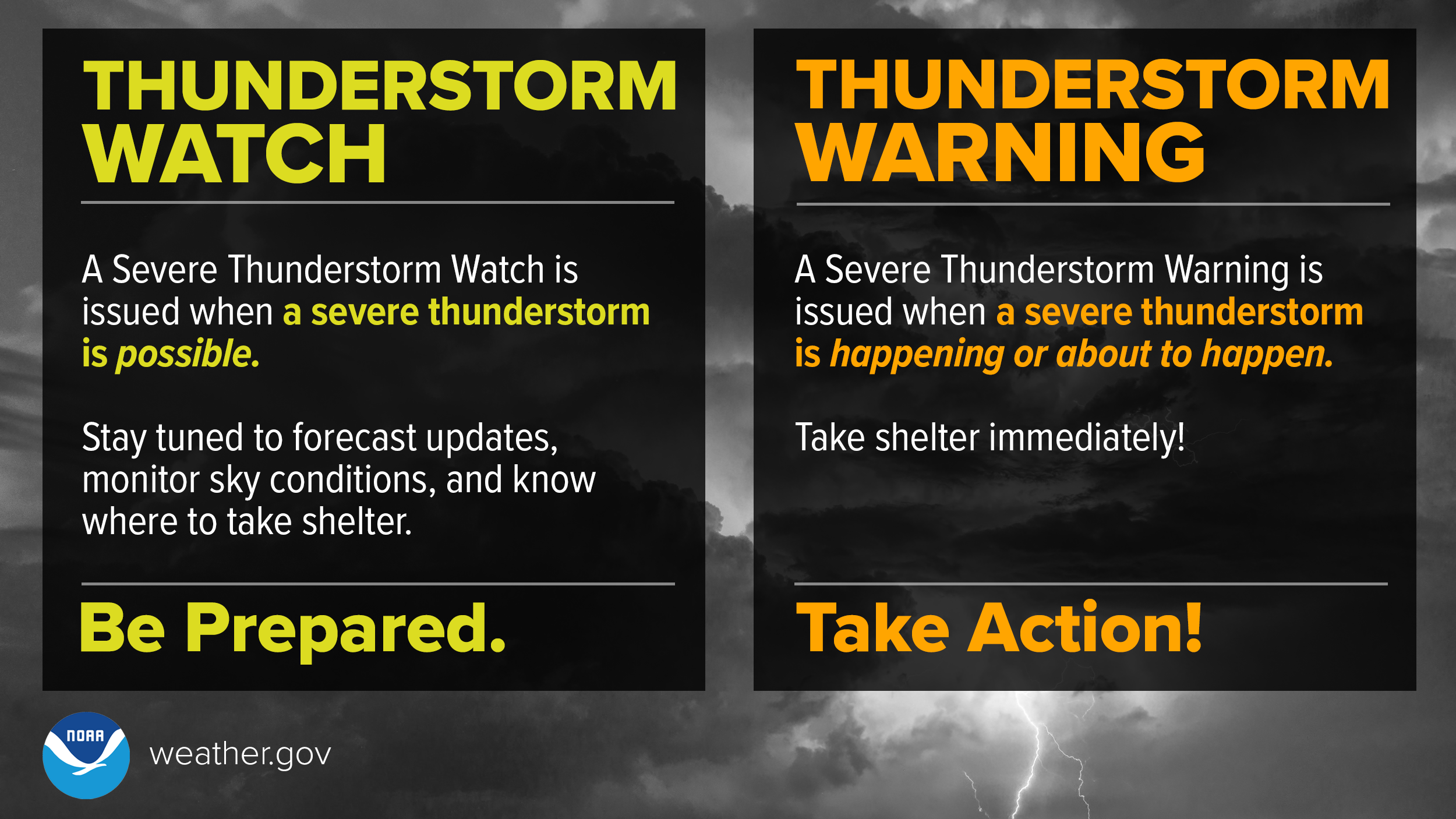
- Watch: A statement issued by the National Weather Service when conditions are favorable for tornadoes to develop.
- Warning: A statement issued by the National Weather Service when a tornado has been sighted or indicated by radar.
Some key differences between a watch and a warning include:
- A watch means that conditions are favorable for tornadoes to develop, but it's not a guarantee that a tornado will occur.
- A warning means that a tornado has been sighted or indicated by radar, and it's essential to take immediate action.
Severe Weather Preparedness
Severe weather preparedness is crucial for individuals and families to stay safe during severe weather events. Some essential steps to take before a storm includes:
- Creating a emergency kit with essentials such as food, water, and first aid supplies.
- Having a family emergency plan in place, including a meeting point and communication plan.
- Staying informed through local news and weather reports.
- Having a battery-powered radio and flashlight on hand in case of a power outage.
During a severe weather event, it's essential to:
- Stay indoors and away from windows.
- Keep a radio and TV tuned to local news and weather reports.
- Follow evacuation orders from local authorities.
- Stay away from flooded areas and downed power lines.
Severe Weather Safety Tips
Severe weather can be unpredictable, and staying safe requires knowledge of specific safety tips. Some essential safety tips include:
- Don't try to outrun a tornado in a car; instead, seek shelter in a nearby building or lie flat in a low-lying area.
- Stay away from windows and exterior walls; instead, go to an interior room or hallway on the lowest floor.
- Don't try to walk or drive through flooded areas; instead, seek higher ground or call for assistance.
- Don't try to touch or move downed power lines; instead, leave them alone and call for assistance.
Advanced Weather Forecasting
Advanced weather forecasting involves the use of complex computer models and data analysis to predict weather patterns. Some key tools used in advanced weather forecasting include:
- Numerical Weather Prediction (NWP) models: These models use complex algorithms and data analysis to predict weather patterns.
- Ensemble forecasting: This method involves using multiple models to predict weather patterns and provide a range of possible outcomes.
Some key applications of advanced weather forecasting include:
- Nowcasting: The use of current weather conditions and radar data to predict the immediate future weather.
- Hydrology: The use of advanced weather forecasting to predict water levels and flooding.
- Aviation: The use of advanced weather forecasting to predict weather conditions and air traffic control.
Severe Weather Policy and Legislation
Severe weather policy and legislation play a critical role
Recent Post
Unlocking The Secrets Of Menopause: Expert Insights On Navigating Life After 40 With Paolo Tantoco
Tensions Rise As Trump Officials Defend Tariffs Amid Market Volatility And Warnings For Savers And Retirees
Rosie O'Donnell Teases Trump Move, Posts Disruptive Selfie From Abroad
Wings For The Win: Capitals Edge Ducks 7-4 In Thrilling Matchup
Ducks Fall Short: Key Takeaways From Thrilling 7-4 Loss To Capitals
Article Recommendations
- Unveiling The Enigmatic Charm Of Mara Corday: From Hollywood Starlet To Mysterious Icon
- Unveiling The Secret Spouse: Isavid Muir's Marital Status Revealed!
- Meet Linda Bazalaki: The Inspiring CEO Creating Change Through Education And Empowerment