Storms Bring Unpredictable Chaos: Understanding Multiple Threats in March Weather
As the calendar flips to March, the weather becomes increasingly unpredictable, bringing with it a multitude of threats to the United States. The severity and impact of these storms can vary greatly, making it essential for residents to stay informed and prepared. In this article, we'll delve into the various storm-related threats that March weather poses, including heavy precipitation, severe thunderstorms, winter storms, and nor'easters.
March Weather Patterns: A Mosaic of Storm Systems
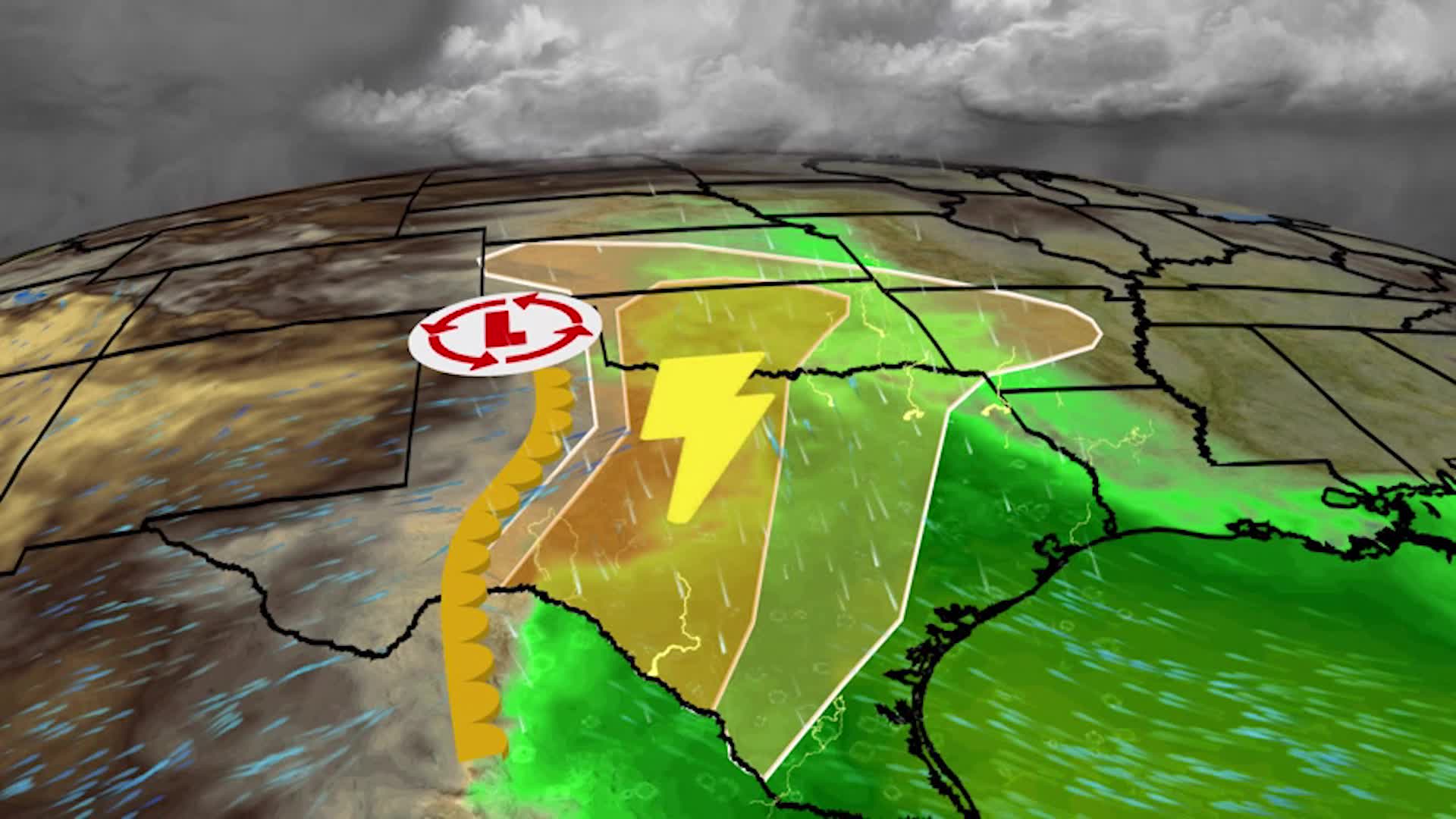
March weather patterns are characterized by a mix of winter and spring systems, creating a complex and dynamic environment for storms to develop. The month is marked by the continued influence of cold Arctic air from the north, colliding with warmer air from the Gulf of Mexico to the south. This clash of air masses can lead to the formation of multiple storm systems, each with its unique set of threats.
• In the Northeast, the intersection of cold air from Canada and warm air from the Gulf of Mexico can create a perfect storm for nor'easters, powerful winter storms that can bring heavy snow, high winds, and coastal flooding.
• In the Midwest and Southeast, the contrast between cold and warm air can lead to severe thunderstorms, capable of producing damaging winds, hail, and tornadoes.
• In the Southwest, the arrival of spring brings the potential for intense thunderstorms and winter storms, particularly in the mountainous regions.
Storm Threats: A Review of the Risks
While March weather is marked by a range of storm systems, each poses unique threats to the public. Understanding these risks is crucial for residents to stay safe and prepared.
Heavy Precipitation
Heavy precipitation is a major threat in March, with storms capable of producing significant amounts of rain, snow, and sleet. These events can lead to:
• Flash Flooding: Heavy rainfall can overwhelm urban and rural areas, causing flash flooding and putting lives at risk.
• Snow and Ice: In regions where snow and ice are still present, March storms can dump significant amounts of snow, leading to winter storm warnings and travel disruptions.
• Agricultural Impacts: Heavy precipitation can damage crops and disrupt agricultural activities, particularly in areas with already saturated soils.
Tips for Staying Safe During Heavy Precipitation
• Monitor local weather forecasts and warnings
• Stay informed about flood risks and evacuation orders
• Keep emergency supplies on hand, including food, water, and flashlights
• Avoid travel during heavy precipitation events
Severe Thunderstorms
Severe thunderstorms are a significant threat in March, particularly in the Midwest and Southeast. These storms can produce:
• Damaging Winds: Sustained winds of over 60 mph can cause significant damage to structures and trees.
• Hail: Large hailstones can cause significant damage to crops, vehicles, and buildings.
• Tornadoes: While rare, tornadoes can occur in the Midwest and Southeast, causing significant damage and loss of life.
Signs of an Approaching Severe Thunderstorm
• Dark, greenish skies
• Low-hanging clouds
• Sustained winds of over 40 mph
• Loud, continuous roar of thunder
Winter Storms
Winter storms are a threat in the Northeast and Midwest, bringing significant snowfall, high winds, and coastal flooding. These storms can lead to:
• Winter Storm Warnings: Issued by the National Weather Service, these warnings indicate a hazardous winter storm is imminent or already occurring.
• Travel Disruptions: Snow and ice can make travel extremely hazardous, leading to road closures and flight cancellations.
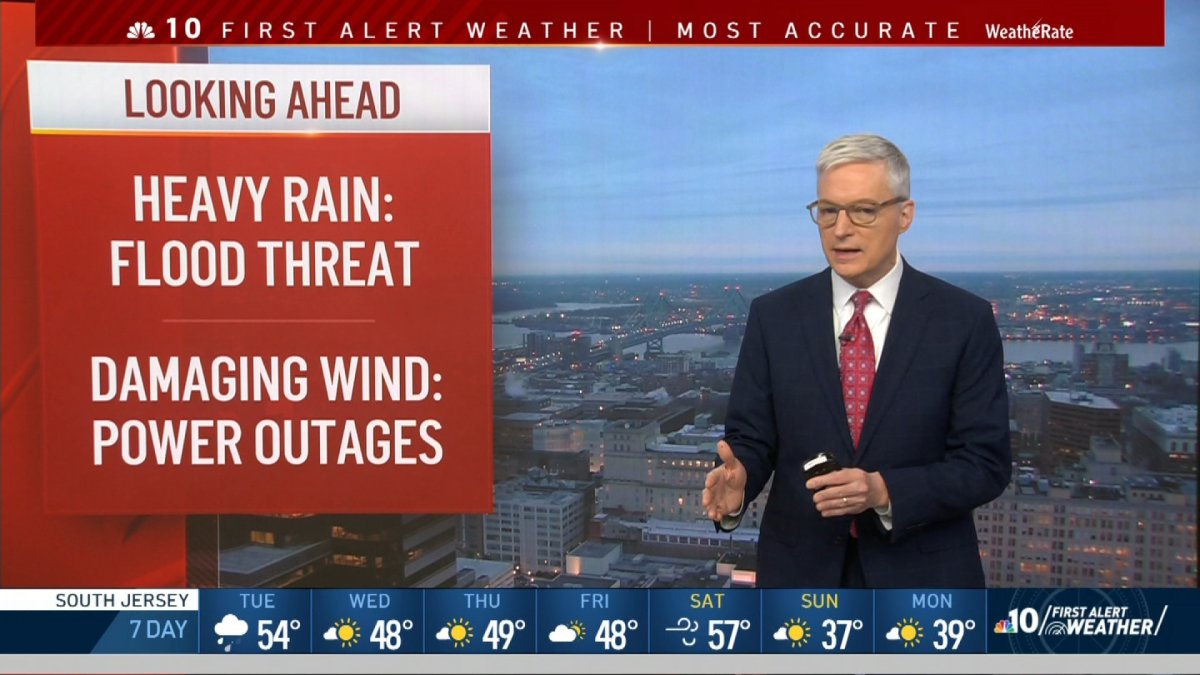
• Power Outages: Heavy snowfall and high winds can cause power outages, leaving residents without electricity.
Winter Storm Preparation
• Stock up on emergency supplies, including food, water, and medications
• Have a winter storm plan in place, including a communication plan and evacuation routes
• Keep your vehicle winter-ready, with a full tank of gas and a winter emergency kit
Nor'easters
Nor'easters are a unique threat in the Northeast, brought on by the intersection of cold air from Canada and warm air from the Gulf of Mexico. These storms can produce:
• Coastal Flooding: Storm surges and high winds can cause significant coastal flooding, particularly in low-lying areas.
• Heavy Snowfall: Nor'easters can bring significant snowfall, leading to travel disruptions and power outages.
• High Winds: Sustained winds of over 60 mph can cause significant damage to structures and trees.
Nor'easter Preparations
• Stay informed about weather forecasts and warnings
• Have a emergency kit on hand, including food, water, and medications
• Prepare your home for the storm, including boarding up windows and securing outdoor furniture
Conclusion
March weather is a complex and dynamic environment, bringing with it a multitude of storm-related threats. By understanding the risks and taking proactive steps to prepare, residents can stay safe and minimize the impact of these storms. Stay informed, stay prepared, and stay safe during the unpredictable March weather.
Recent Post
Unlocking The Secrets Of Menopause: Expert Insights On Navigating Life After 40 With Paolo Tantoco
Tensions Rise As Trump Officials Defend Tariffs Amid Market Volatility And Warnings For Savers And Retirees
Rosie O'Donnell Teases Trump Move, Posts Disruptive Selfie From Abroad
Wings For The Win: Capitals Edge Ducks 7-4 In Thrilling Matchup
Ducks Fall Short: Key Takeaways From Thrilling 7-4 Loss To Capitals
Article Recommendations
- Rebecca Pritchard's Surprising Wealth: Uncovering Her Net Worth And Financial Success
- Meet Katy Newcombe: The SEO Wizard Behind The Success Of (Your Business Name)
- Pamibaby: The Ultimate Guide To Pampering Your Little One