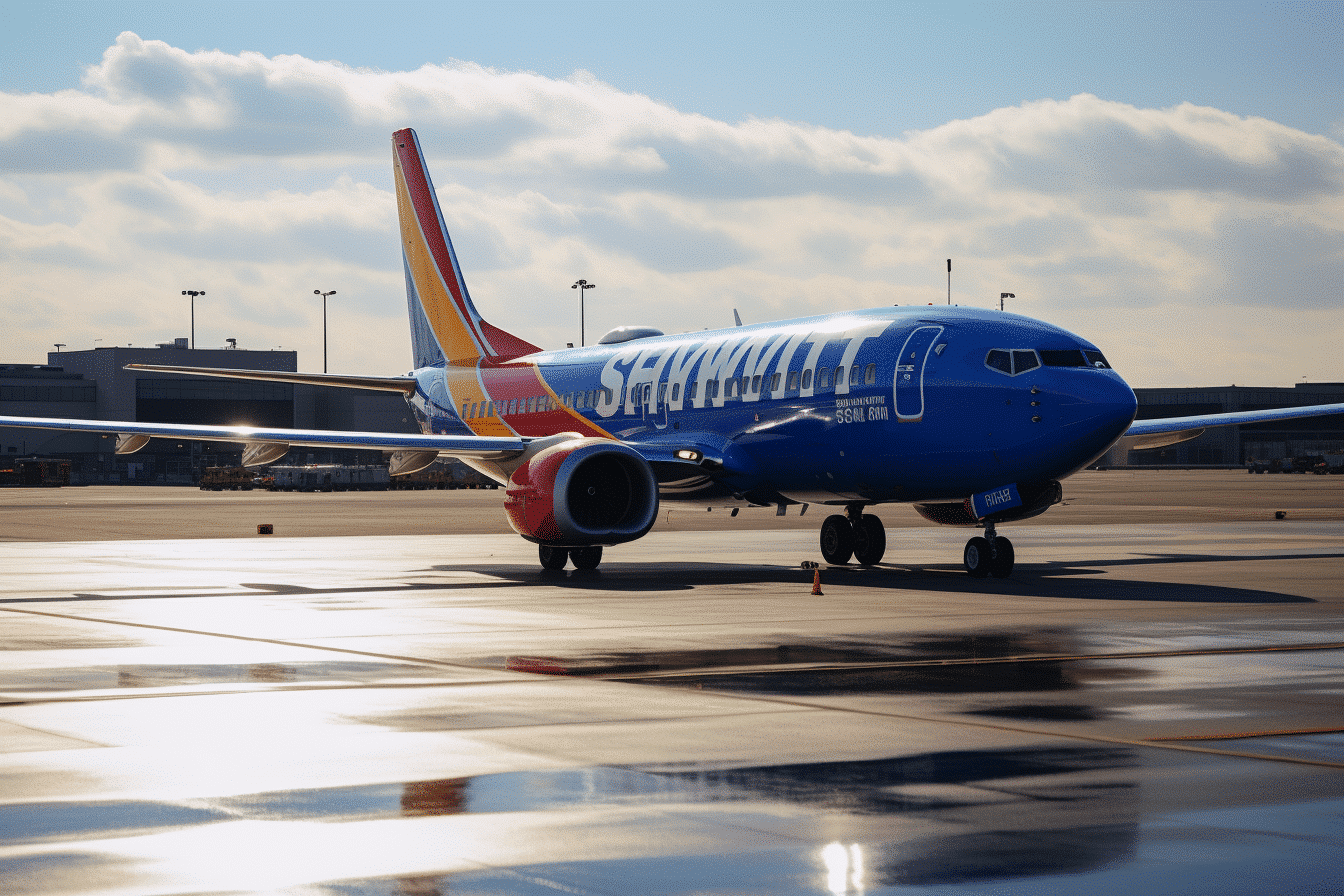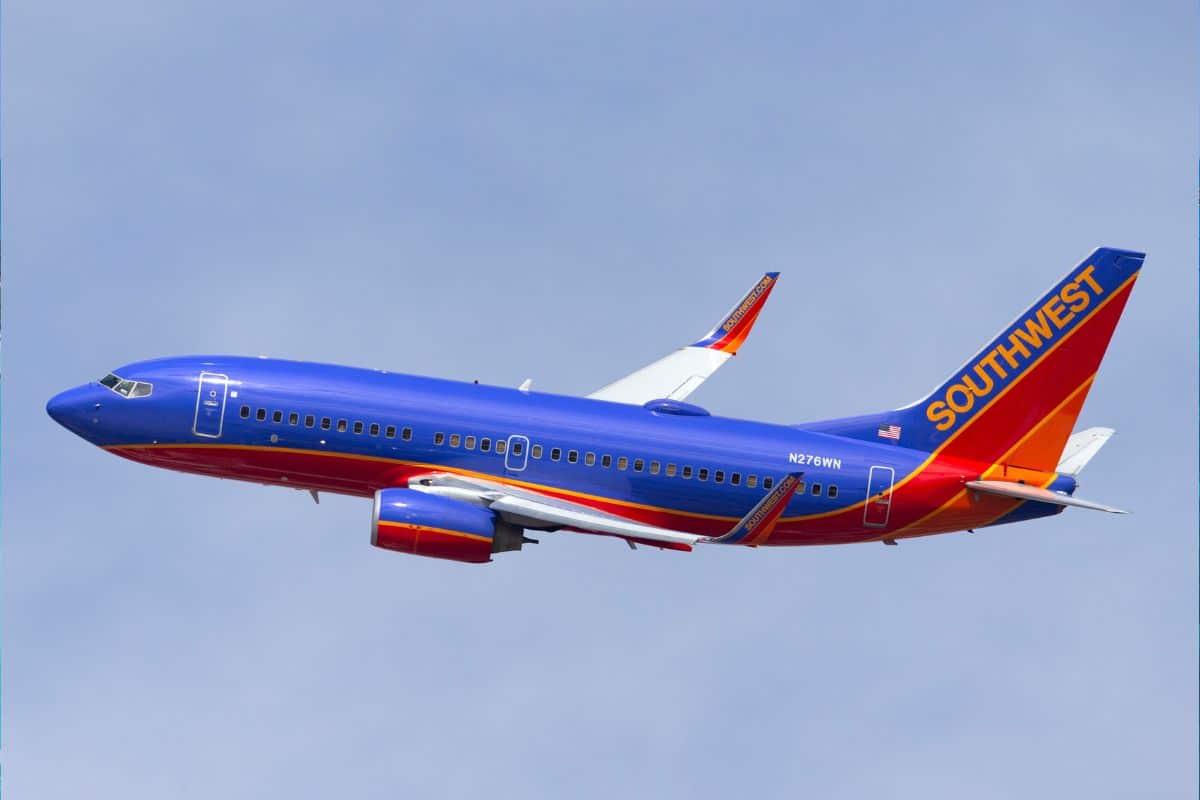
Southwest Airlines Lowers Q1 Revenue Growth Forecast Amid Travel Uncertainty: What It Means for the Industry
As the travel industry continues to navigate the uncertainty surrounding the COVID-19 pandemic, Southwest Airlines has joined the ranks of other major carriers in adjusting their revenue forecasts. In a recent announcement, the airline lowered its Q1 revenue growth forecast, citing factors such as decreased demand and increased costs associated with travel.
Southwest Airlines, one of the largest low-cost carriers in the United States, had previously projected Q1 revenue growth of 5.5%. However, after reassessing its sales and expenses, the airline has reduced its forecast to 3.5%. This change is largely attributed to the ongoing travel uncertainty, which has led to a decline in bookings and a corresponding decrease in revenue.
The airline's decision to lower its forecast is not an isolated incident, but rather a response to the broader industry trends. Other carriers, such as Delta Air Lines and American Airlines, have also made similar adjustments to their revenue forecasts. This trend suggests that the industry is gradually coming to terms with the reality of a pandemic-induced downturn in travel demand.
Travel Uncertainty: The Root Cause of Revenue Growth Forecasts
Factors Contributing to the Decline in Demand
Travel uncertainty has been a major concern for the airline industry since the onset of the pandemic. Several factors have contributed to the decline in demand, including:
• COVID-19 Protocols: The introduction of COVID-19 protocols, such as mask mandates and social distancing measures, has made travel more uncertain and less appealing to some passengers.
• Travel Restrictions: Travel restrictions, such as those imposed by governments and health organizations, have limited the number of destinations available for travel.
• Fear of Disease Transmission: The fear of disease transmission has led to a decline in bookings, as some passengers opt for alternative modes of transportation, such as car travel or virtual events.
Impact on Airline Revenue
The decline in demand has had a significant impact on airline revenue. With fewer passengers traveling, airlines have had to adjust their revenue forecasts to reflect the reduced demand. This adjustment is often achieved by reducing capacity, either by canceling flights or reducing the number of seats offered.
Southwest Airlines' Response to the Changing Travel Landscape
Adjusting Capacity to Reflect Reduced Demand
Southwest Airlines has taken steps to adjust its capacity to reflect the reduced demand. The airline has reduced the number of flights and seats offered, in an effort to minimize losses and preserve cash reserves.
Cost-Cutting Measures
Southwest Airlines has also implemented cost-cutting measures to reduce expenses and improve profitability. These measures include:
• Staff Reductions: The airline has reduced its workforce, in an effort to minimize costs and improve efficiency.
• Concessionary Pricing: Southwest Airlines has introduced concessionary pricing on certain routes, in an effort to attract more passengers.
• Partnership with Other Carriers: The airline has explored partnerships with other carriers, in an effort to reduce costs and improve services.
Industry Trends and Outlook
Industry Trends
The airline industry is gradually coming to terms with the reality of a pandemic-induced downturn in travel demand. Several trends are emerging, including:
• Shift to Low-Cost Carriers: The shift to low-cost carriers is expected to continue, as passengers seek out more affordable options.
• Increased Focus on Digital Services: Airlines are expected to place a greater emphasis on digital services, such as online check-in and mobile apps.
• More Flexible Travel Options: Travelers are expected to demand more flexible travel options, such as pay-per-use models and spontaneous travel.
Outlook
The outlook for the airline industry is uncertain, but several factors suggest that the industry will eventually recover. Key factors driving the recovery include:
• Vaccine Rollout: The rollout of COVID-19 vaccines is expected to lead to increased confidence among travelers, driving demand for air travel.
• Government Support: Governments are expected to provide support for the airline industry, through measures such as subsidies and tax breaks.
• Travel Demand Recovery: Travel demand is expected to recover gradually, as travel restrictions are lifted and confidence among travelers increases.
Conclusion
Southwest Airlines' decision to lower its Q1 revenue growth forecast is a response to the ongoing travel uncertainty. The airline's actions are part of a broader industry trend, as carriers adjust to the changing travel landscape. While the outlook for the airline industry is uncertain, several factors suggest that the industry will eventually recover. As the industry navigates the ongoing pandemic-induced downturn, airlines must adapt to changing consumer preferences and demands, while also minimizing losses and preserving cash reserves.
Recent Post
Unlocking The Secrets Of Menopause: Expert Insights On Navigating Life After 40 With Paolo Tantoco
Tensions Rise As Trump Officials Defend Tariffs Amid Market Volatility And Warnings For Savers And Retirees
Rosie O'Donnell Teases Trump Move, Posts Disruptive Selfie From Abroad
Wings For The Win: Capitals Edge Ducks 7-4 In Thrilling Matchup
Ducks Fall Short: Key Takeaways From Thrilling 7-4 Loss To Capitals
Article Recommendations
- Unveiling The Secrets Of Sam Frank's Captivating Fandom
- Neil Flynn: The Hilarious And Versatile Actor From Seinfeld To The Middle
- Jack McBrayer: A Look Into The Dynamic Relationships In His Life