- The Complexity of the Border Terrain
- The Role of Technology in Border Security
- The Impact of Climate Change on Border Security
- The Role of International Cooperation in Border Security
- The Merit-Based Immigration System
- The Deployment of National Guard Troops
- The Use of Fencing and Barriers
- The Role of Economic Development in Border Security
- Comprehensive Immigration Reform
- Increased Funding for Border Security
- Improved International Cooperation
- Enhanced Border Security Measures
- Increased Support for Asylum Seekers and Migrants
- Strengthening Laws and Regulations
Securing the Southern Border: A Comprehensive Overview for a Safer America
The southern border of the United States is a complex and sensitive topic, with ongoing debates about immigration, security, and economic impact. The issue has garnered significant attention in recent years, with politicians, policymakers, and citizens alike advocating for various solutions. However, securing the southern border is not just a matter of politics; it's a critical issue that affects the country's safety, economy, and national identity. In this article, we will delve into the intricacies of border security, exploring the challenges, current policies, and potential solutions to address this pressing concern.
The southern border spans over 1,900 miles, stretching from the Pacific Ocean to the Gulf of Mexico, and encompasses diverse terrain, climate, and geography. This vast and varied landscape presents unique challenges for border security, from dense forests and rugged mountains to deserts and urban areas. The border is also home to several major ports of entry, which are critical for international trade and commerce, but also vulnerable to exploitation by human traffickers, smugglers, and other illicit actors.
The recent influx of migrants and asylum seekers at the southern border has put a significant strain on U.S. resources, infrastructure, and services. The crisis has sparked a heated debate about the country's immigration policies, with some advocating for stricter enforcement and others pushing for more inclusive and humane approaches. While the issue is complex and multifaceted, a comprehensive understanding of the challenges and complexities involved is essential for finding effective solutions.
Understanding the Challenges of Border Security
The Complexity of the Border Terrain
The southern border's diverse terrain presents significant challenges for border security. From the scorching deserts of Arizona and New Mexico to the dense forests of Texas and Louisiana, the landscape is often harsh and unforgiving. The rugged terrain makes it difficult for agents to patrol the border effectively, and the vast expanse of open land provides ample opportunities for smugglers and traffickers to operate undetected.
The Role of Technology in Border Security
Technology plays a critical role in modern border security, with agencies leveraging advanced technologies such as drones, sensors, and surveillance systems to monitor the border and detect illicit activity. However, the effectiveness of these technologies depends on various factors, including funding, infrastructure, and training. Moreover, the increasing use of social media and other digital platforms by smugglers and traffickers has forced agencies to adapt and evolve their strategies to stay ahead of these threats.
The Impact of Climate Change on Border Security
Climate change is having a profound impact on the southern border, with rising temperatures, changing precipitation patterns, and increased natural disasters affecting the region's landscape and infrastructure. The effects of climate change are far-reaching, from droughts and wildfires to floods and hurricanes, and these events can create opportunities for smugglers and traffickers to exploit.
The Role of International Cooperation in Border Security
International cooperation is essential for effective border security, as the southern border is a shared border with several countries, including Mexico, Guatemala, Honduras, and El Salvador. However, the relationships between these countries and the United States are complex and often strained, making cooperation challenging.
Current Policies and Initiatives
The Merit-Based Immigration System
The U.S. government has implemented a merit-based immigration system, which aims to prioritize skilled workers and talent over family-based immigration. However, the system is still in its infancy, and critics argue that it fails to address the root causes of migration and asylum seeker flows.
The Deployment of National Guard Troops
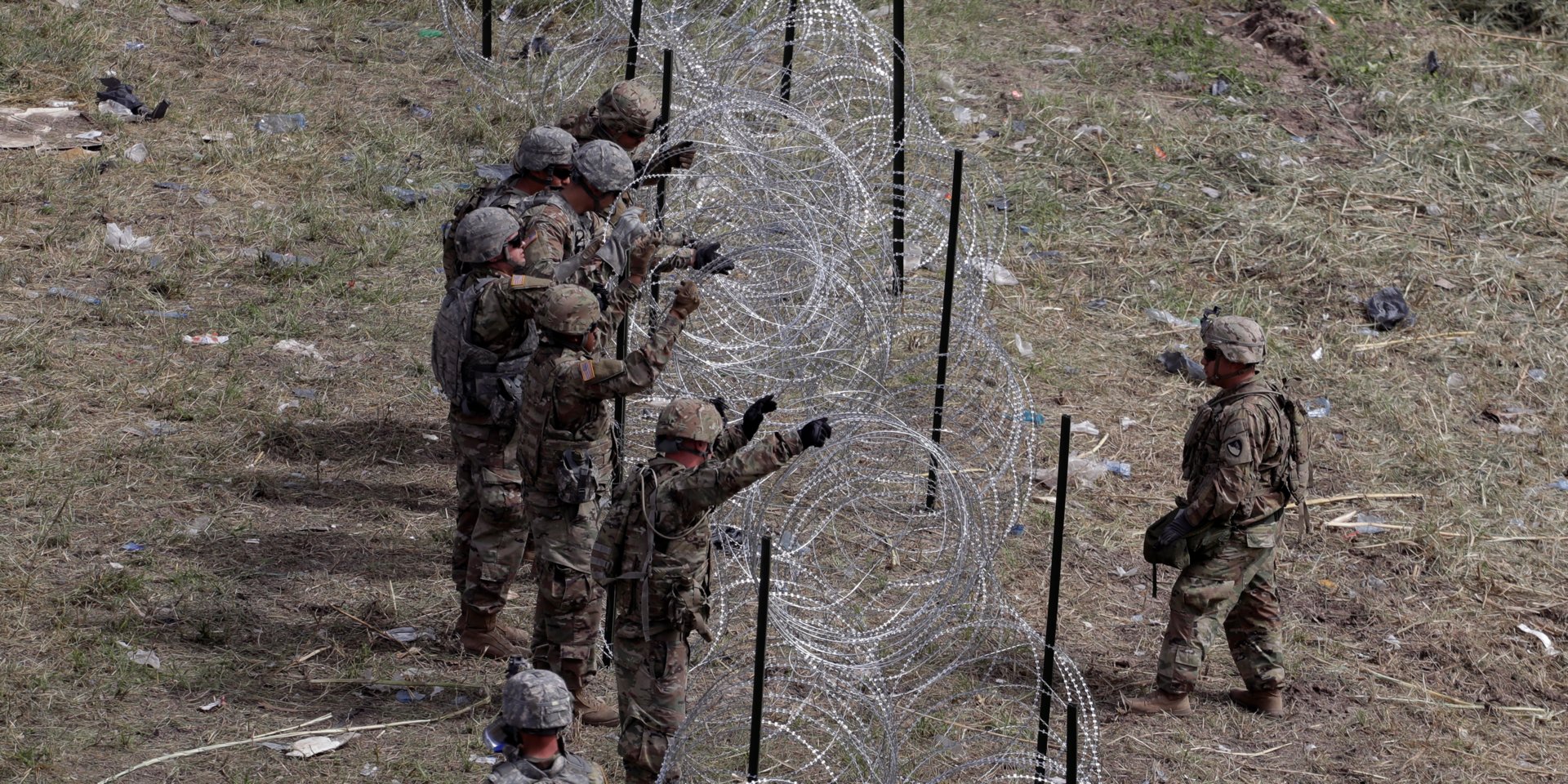
In 2018, the U.S. government deployed National Guard troops to the southern border, citing concerns about the surge in migrant arrivals. However, the deployment was met with controversy, with many arguing that it was a publicity stunt rather than a genuine effort to address the crisis.
The Use of Fencing and Barriers
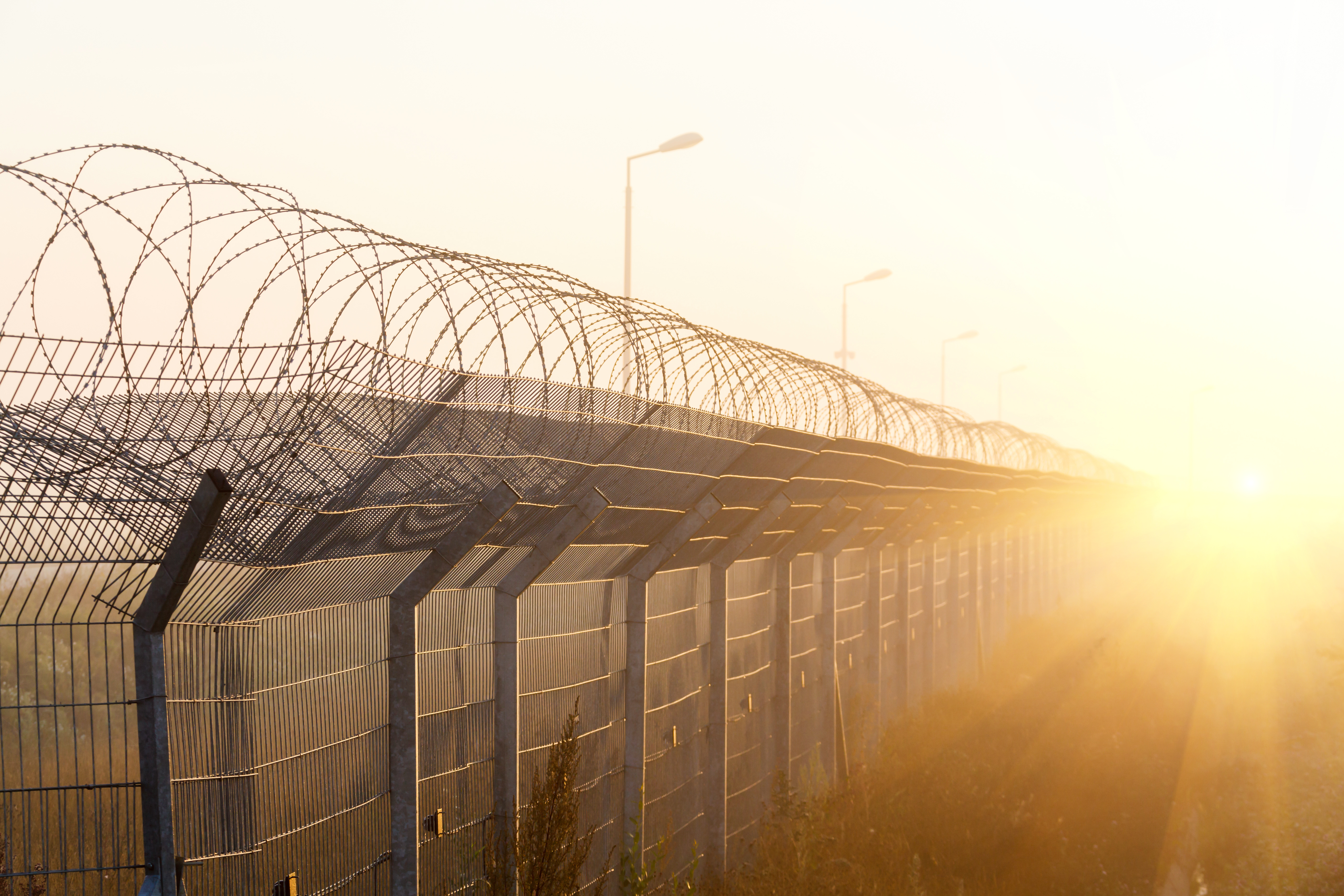
The U.S. government has constructed extensive fencing and barriers along the southern border, with the aim of preventing unauthorized crossings. However, the effectiveness of these barriers is debated, with some arguing that they are ineffective against determined smugglers and traffickers.
The Role of Economic Development in Border Security
Economic development is a critical factor in border security, as it can help to reduce the incentives for migrants and smugglers to operate in the region. The U.S. government has invested in various economic development initiatives, including infrastructure projects, job training programs, and business development services.
Potential Solutions and Strategies
Comprehensive Immigration Reform
Comprehensive immigration reform is a critical solution to the border security crisis, as it addresses the root causes of migration and asylum seeker flows. The reform would need to include provisions for a merit-based immigration system, increased border security measures, and improved economic development initiatives.
Increased Funding for Border Security
Increased funding for border security is essential to address the current crisis. The U.S. government should allocate more resources to border security, including funding for infrastructure, technology, and personnel.
Improved International Cooperation
Improved international cooperation is vital to address the border security crisis. The U.S. government should work closely with its international partners to develop joint strategies and initiatives to combat human trafficking, smuggling, and other illicit activities.
Enhanced Border Security Measures
Enhanced border security measures are necessary to prevent unauthorized crossings and detect illicit activity. The U.S. government should invest in advanced technologies, such as drones and sensors, and increase the presence of border agents and personnel.
Increased Support for Asylum Seekers and Migrants
Increased support for asylum seekers and migrants is essential to address the humanitarian crisis at the southern border. The U.S. government should provide more resources for refugee services, housing, and employment programs.
Strengthening Laws and Regulations
Strengthening laws and regulations is critical to prevent the exploitation of loopholes and weaknesses in the current system. The U.S. government should review and update existing laws and regulations to ensure they are effective
Recent Post
Unlocking The Secrets Of Menopause: Expert Insights On Navigating Life After 40 With Paolo Tantoco
Tensions Rise As Trump Officials Defend Tariffs Amid Market Volatility And Warnings For Savers And Retirees
Rosie O'Donnell Teases Trump Move, Posts Disruptive Selfie From Abroad
Wings For The Win: Capitals Edge Ducks 7-4 In Thrilling Matchup
Ducks Fall Short: Key Takeaways From Thrilling 7-4 Loss To Capitals
Article Recommendations
- Mark Davis: The Maverick Owner Behind The Legendary Las Vegas Raiders
- Hollywood's Rising Star: Uncovering The Enigmatic Alex Landi
- Rebecca Pritchard's Mysterious Illness: Unraveling The Enigma Behind A Life-Altering Condition