South Korea Cracks Down on Lithium-ion Batteries on Flights: What You Need to Know
In a move aimed at mitigating the risk of battery fires on commercial flights, South Korea has introduced strict new guidelines for carrying lithium-ion batteries on domestic and international flights. As of March 2023, passengers flying within Korea or to and from the country will be subject to enhanced regulations governing the transportation of these high-risk batteries. The new rules are part of a broader effort by the South Korean government to ensure the safety of air travel and protect passengers from potential hazards.
South Korea's decision to tighten its rules on lithium-ion batteries on flights is a response to growing concerns about the increasing use of portable electronics and electric devices on aircraft. With the proliferation of smartphones, laptops, and other lithium-ion powered devices, the risk of battery-related fires on planes has become a significant concern for regulators and airlines. In response, the South Korean Civil Aviation Authority (CAAS) has taken steps to reduce the risk of such incidents by introducing new guidelines for the transportation of lithium-ion batteries.
Understanding the Risks Associated with Lithium-ion Batteries
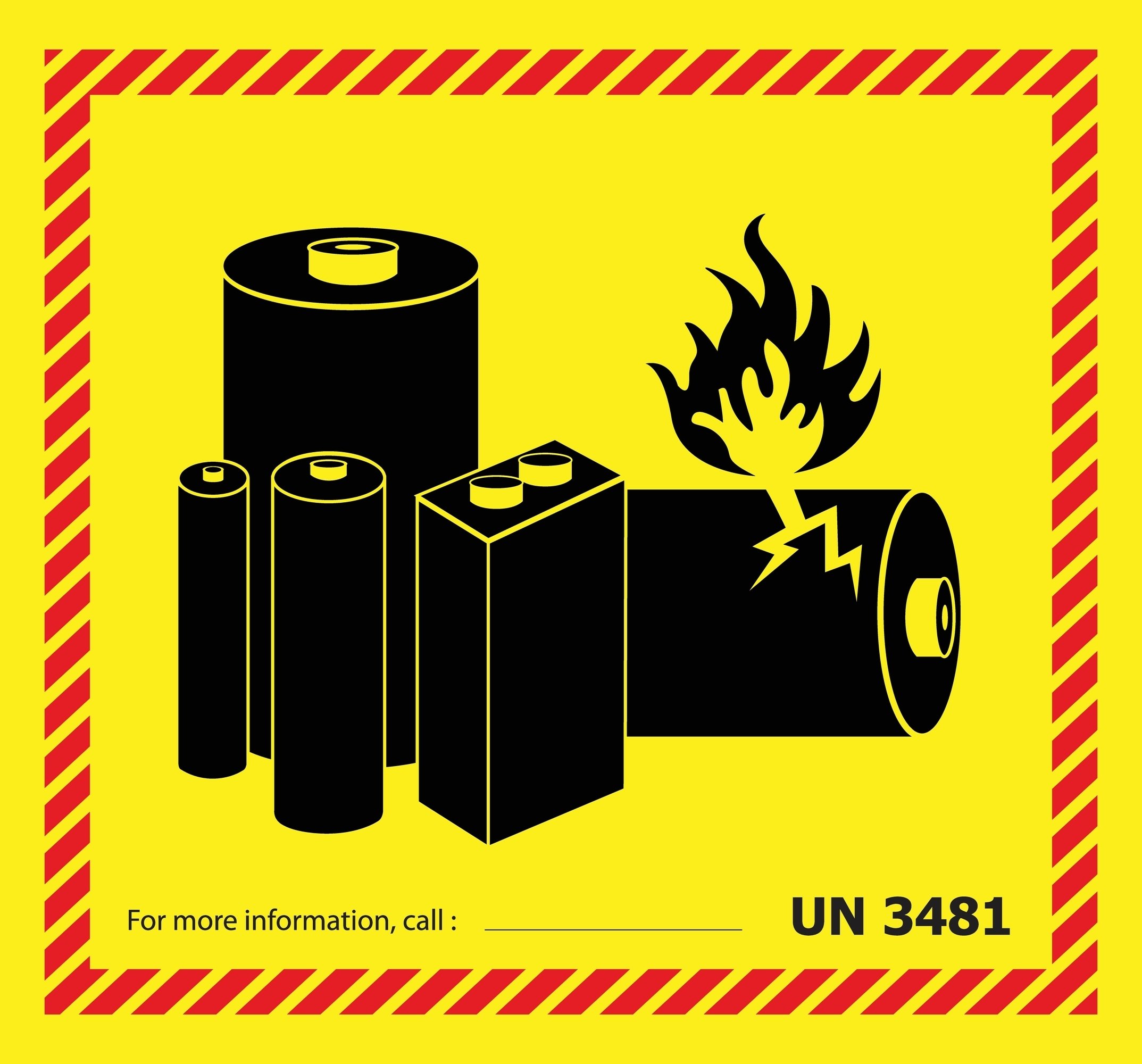
Lithium-ion batteries are widely used in portable electronics and electric devices due to their high energy density and long lifespan. However, these batteries also pose a significant risk to air travel safety due to their potential to overheat and catch fire. According to the International Air Transport Association (IATA), lithium-ion batteries are the leading cause of battery-related fires on aircraft, accounting for over 90% of all such incidents.
To put the risk into perspective, here are some key statistics related to lithium-ion battery fires on aircraft:
- Between 2013 and 2022, there were 142 reported cases of lithium-ion battery fires on commercial flights worldwide.
- In South Korea alone, there were 23 reported cases of lithium-ion battery fires on flights between 2018 and 2022.
- The majority of these fires (64%) occurred in cargo holds, while 21% occurred in passenger cabins.
What Are the New Guidelines?
The South Korean government has introduced several new guidelines for carrying lithium-ion batteries on flights within the country and to and from Korea. These guidelines are designed to reduce the risk of battery-related fires on aircraft and protect passengers and crew from potential hazards.
- Lithium-ion Battery Sizes: Passengers will be restricted from carrying lithium-ion batteries larger than 100Wh in their carry-on baggage. These batteries will be subject to additional screening and inspection by airport security personnel.
- Battery Type: Only spare lithium-ion batteries with a nominal voltage of 9V or less will be allowed in carry-on baggage. Spare lithium-ion batteries with a nominal voltage of 10V or more will only be permitted in checked baggage.
- Packaging Requirements: Spare lithium-ion batteries must be packaged in protective coverings, such as plastic or cloth, to prevent damage and short circuits.
- Rechargeable Batteries: Rechargeable lithium-ion batteries will be allowed in carry-on baggage, but passengers will be required to declare them and provide proof of ownership.
What Does This Mean for Travelers?
The new guidelines on lithium-ion batteries on flights in South Korea will require travelers to take extra precautions when carrying these devices. Here are some tips for passengers:
- Always check the size and type of lithium-ion battery you are carrying to ensure it complies with the new guidelines.
- Use protective coverings to prevent damage and short circuits on spare lithium-ion batteries.
- Declare spare lithium-ion batteries and provide proof of ownership when requested by airport security personnel.
- Be prepared to have your carry-on baggage inspected and screened by airport security personnel.
What Are the Penalties for Non-Compliance?
Passengers who fail to comply with the new guidelines on lithium-ion batteries on flights in South Korea may face penalties, including fines and confiscation of the device. Here are some potential penalties for non-compliance:
- Fines: Passengers who fail to comply with the new guidelines may be fined up to 1 million won (approximately $800 USD).
- Confiscation: Passengers who fail to comply with the new guidelines may have their lithium-ion battery confiscated by airport security personnel.
- Flight Disruption: In severe cases, passengers who fail to comply with the new guidelines may be refused boarding or have their flight delayed or disrupted.
Conclusion
South Korea's new guidelines on lithium-ion batteries on flights are an important step towards reducing the risk of battery-related fires on aircraft. By introducing stricter regulations and guidelines for the transportation of these high-risk batteries, the South Korean government aims to protect passengers and crew from potential hazards and ensure the safety of air travel. Travelers are encouraged to familiarize themselves with the new guidelines and take extra precautions when carrying lithium-ion batteries on flights.
Recent Post
Unlocking The Secrets Of Menopause: Expert Insights On Navigating Life After 40 With Paolo Tantoco
Tensions Rise As Trump Officials Defend Tariffs Amid Market Volatility And Warnings For Savers And Retirees
Rosie O'Donnell Teases Trump Move, Posts Disruptive Selfie From Abroad
Wings For The Win: Capitals Edge Ducks 7-4 In Thrilling Matchup
Ducks Fall Short: Key Takeaways From Thrilling 7-4 Loss To Capitals
Article Recommendations
- Hisashi Ouchi: The Horrific Story Of The Man Who Endured 83 Days Of Radiation Exposure
- Meet The Trailblazing Maureen Bates: An Inspirational Story Of Resilience And Determination
- Unveiling The Russell Family Connection: Is Keri Related To Kurt?