ASEAN: The Future of Southeast Asia's Economic Powerhouse
Southeast Asia's most coveted economic prize is ASEAN, a region where the fate of globalization is being written in a blur of changing tides. ASEAN is a powerful economic block that comprises ten countries, and it is no surprise that this massive market is gaining the attention of investors and companies worldwide. ASEAN is an acronym for the Association of Southeast Asian Nations, and it was formed in 1967 to foster economic cooperation and growth among its member states.
ASEAN's emergence as a regional economic powerhouse is not new, and it has been a key player in the global economy for several decades. However, the country's economic significance will only continue to grow in the coming years, thanks to a combination of factors that are driving the region's transformation. These factors include the increasing adoption of technology, a growing middle class, and a deepening integration of trade and investment flows.
One of the key reasons why ASEAN is poised to become a major economic force in the future is its rapidly growing population. The region's population is expected to reach 650 million by 2030, making it one of the most populous regions in the world. This growing population will create new opportunities for businesses and investors, who will be able to tap into the region's vast consumer market.
Another key driver of ASEAN's economic growth is its increasing adoption of technology. The region is seeing a rapid shift towards digitalization, with many countries investing heavily in digital infrastructure and innovation. This trend is expected to continue, with ASEAN's GDP growth rate projected to reach 5% in 2023.
History of ASEAN
ASEAN was formed in 1967, with the signing of the Bangkok Declaration. The declaration outlined the principles that would guide the region's economic cooperation, including the promotion of peace, stability, and economic growth. Since its inception, ASEAN has undergone several transformations, including the introduction of new member states and the expansion of its economic integration agenda.
One of the key milestones in ASEAN's history was the establishment of the ASEAN Economic Community (AEC) in 2015. The AEC is a framework that aims to create a single market and production base for the region, by removing trade barriers and promoting the free movement of goods, services, and investment.
ASEAN's Economic Structure
ASEAN's economic structure is highly diversified, with a mix of developing and developed economies. The region's economies are driven by a range of sectors, including manufacturing, services, and agriculture. However, the manufacturing sector is the largest contributor to ASEAN's GDP, accounting for around 40% of the region's total output.
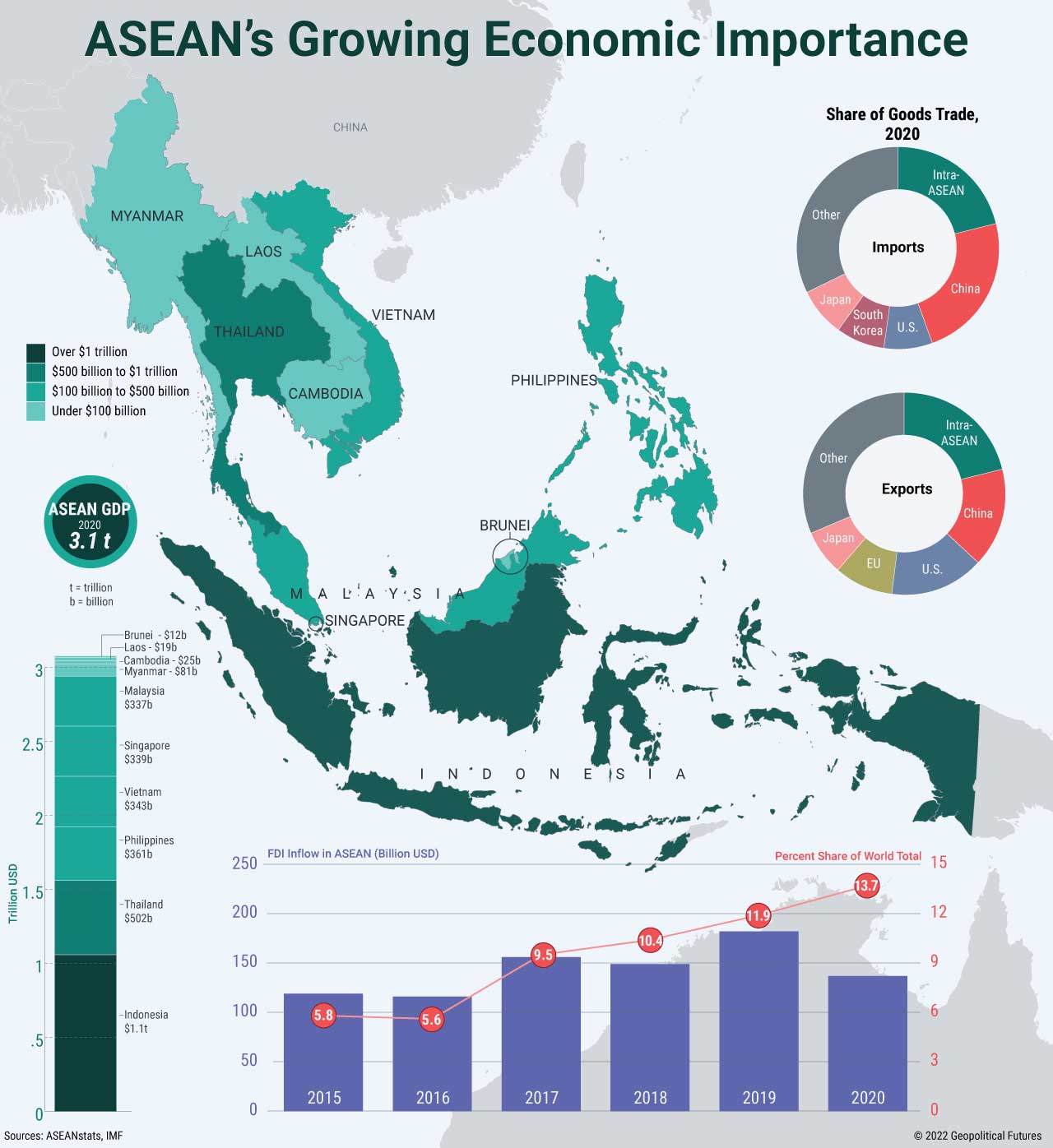
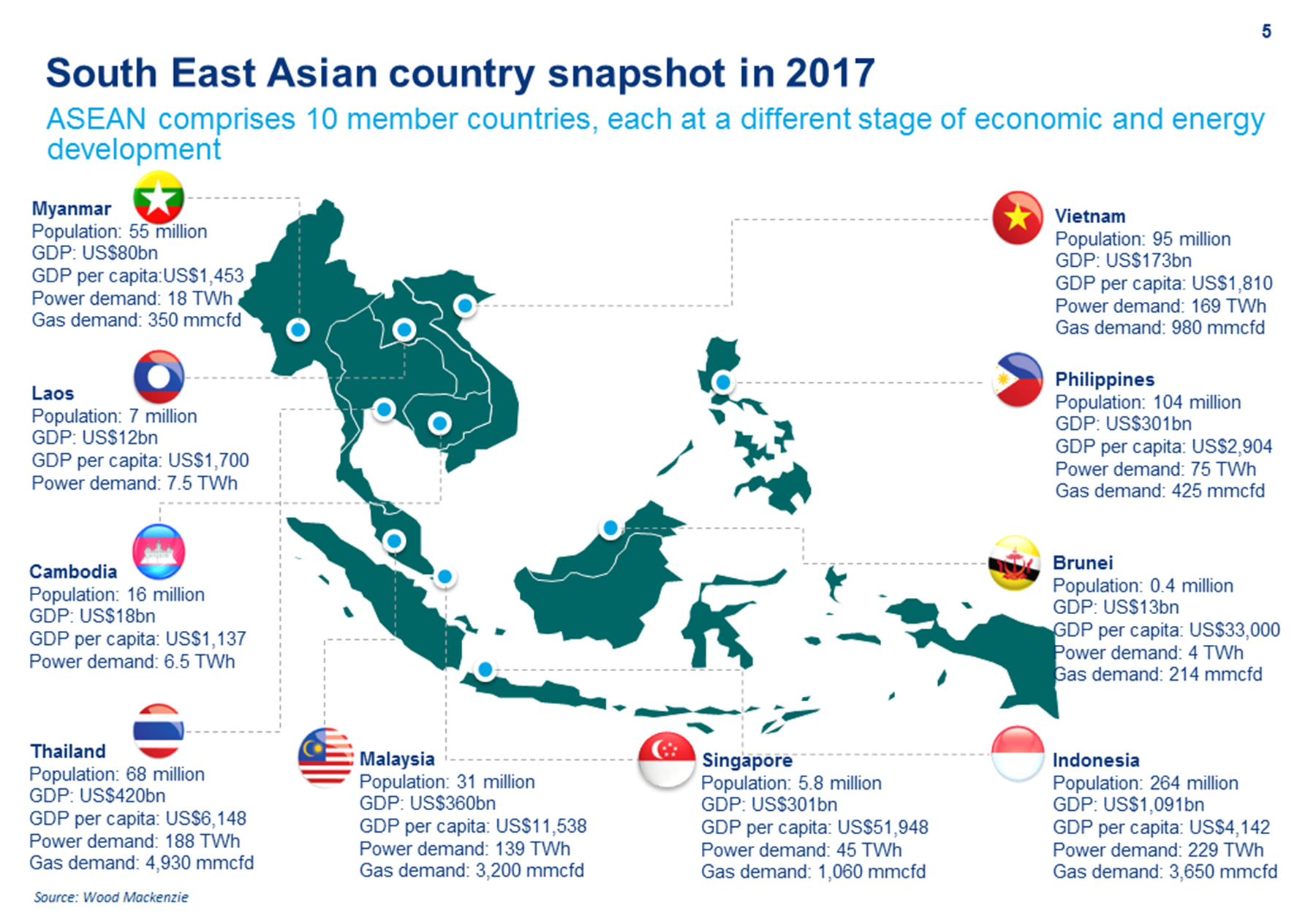
The region's largest economies are Singapore, Malaysia, and Indonesia, which account for around 70% of ASEAN's GDP. These countries have a strong tradition of manufacturing and are home to many world-class companies, including major electronics and automotive manufacturers.
ASEAN's Trade and Investment Agreements
ASEAN has a range of trade and investment agreements that are aimed at promoting regional economic integration. One of the key agreements is the ASEAN Free Trade Area (AFTA), which removes trade barriers and promotes the free movement of goods and services.
Another key agreement is the ASEAN Economic Community (AEC), which aims to create a single market and production base for the region. The AEC is expected to reduce trade barriers and promote the free movement of investment, goods, and services.
ASEAN's Economic Integration Agenda
ASEAN's economic integration agenda is aimed at promoting regional economic integration and cooperation. The region has several key initiatives, including the ASEAN Single Window, which aims to simplify trade procedures and reduce bureaucracy.
Another key initiative is the ASEAN Infrastructure Fund, which aims to promote infrastructure development and investment in the region. This fund is expected to play a key role in supporting ASEAN's economic integration agenda, by providing financing for infrastructure projects.
ASEAN's Challenges
ASEAN faces several challenges, including corruption, inadequate infrastructure, and environmental degradation. These challenges can have a negative impact on the region's economic growth, and they require urgent attention from policymakers and businesses.
Another key challenge facing ASEAN is the region's vulnerability to global economic trends. The region's economies are highly interconnected with those of other parts of the world, and they are subject to global economic fluctuations.
ASEAN's Opportunities
Despite the challenges facing the region, ASEAN is full of opportunities for businesses and investors. The region's vast consumer market, growing middle class, and increasing adoption of technology make it an attractive destination for companies looking to expand their operations.
ASEAN is also a key player in the global supply chain, with many major companies using the region as a production base. The region's strategic location, low labor costs, and favorable business environment make it an attractive destination for investors.
ASEAN's Role in the Global Economy
ASEAN plays a key role in the global economy, and it is an increasingly important player in the world of trade and investment. The region is a major trading partner for many countries, and it is home to many world-class companies.
ASEAN is also a key partner for countries in the region, and it has a range of agreements and initiatives aimed at promoting regional economic integration and cooperation. These agreements and initiatives are expected to play a key role in supporting ASEAN's economic integration agenda, by promoting trade and investment flows.
Conclusion
ASEAN is a powerful economic block that is poised to become a major economic force in the future. The region's growing population, increasing adoption of technology, and deepening integration of trade and investment flows make it an attractive destination for businesses and investors.
However, ASEAN also faces several challenges, including corruption, inadequate infrastructure, and environmental degradation. These challenges require urgent attention from policymakers and businesses, and they will only be overcome by working together to promote regional economic integration and cooperation
Recent Post
Unlocking The Secrets Of Menopause: Expert Insights On Navigating Life After 40 With Paolo Tantoco
Tensions Rise As Trump Officials Defend Tariffs Amid Market Volatility And Warnings For Savers And Retirees
Rosie O'Donnell Teases Trump Move, Posts Disruptive Selfie From Abroad
Wings For The Win: Capitals Edge Ducks 7-4 In Thrilling Matchup
Ducks Fall Short: Key Takeaways From Thrilling 7-4 Loss To Capitals
Article Recommendations
- Tony Hinchcliff: Unveiling The Stand-Up Star's Marital Status
- Yumieto: The Essential Guide To Revolutionary Protein Shakes
- Chudney Ross: Unmasking The Hidden Gems And Untold Stories