Unlocking the Future of Technology: The Transformative Power of Semiconductors
The world of technology is on the cusp of a revolution, and at the heart of this transformation lies a tiny, yet mighty, component: the semiconductor. From the smartphones in our pockets to the servers that power the internet, semiconductors are the unsung heroes that make modern technology tick. In this article, we'll delve into the fascinating world of semiconductors, exploring their history, functionality, applications, and the impact they'll have on the future of technology.
The semiconductor industry has come a long way since its inception in the 1950s. Initially used in electronic devices such as radios and computers, semiconductors have evolved to become the backbone of modern technology. Today, they're used in a wide range of applications, from consumer electronics to automotive systems, medical devices, and even space exploration. The semiconductor industry's growth has been nothing short of phenomenal, with sales projected to reach $500 billion by 2025.
One of the key factors driving the growth of the semiconductor industry is the increasing demand for smaller, faster, and more powerful devices. The rise of the Internet of Things (IoT) has created a new wave of demand for semiconductors, as manufacturers seek to create more connected devices. Additionally, the growing importance of artificial intelligence (AI) and machine learning (ML) has led to an increased focus on developing more advanced semiconductor materials and manufacturing processes.
Types of Semiconductors
There are several types of semiconductors, each with its own unique characteristics and applications. The most common types of semiconductors include:
- Diodes: These are essentially one-way switches that allow current to flow in one direction but block it in the other. Diodes are commonly used in electronic devices such as radios, TVs, and computers.
- Transistors: These are the building blocks of modern electronics, used to amplify or switch electronic signals. Transistors are used in a wide range of applications, from consumer electronics to industrial control systems.
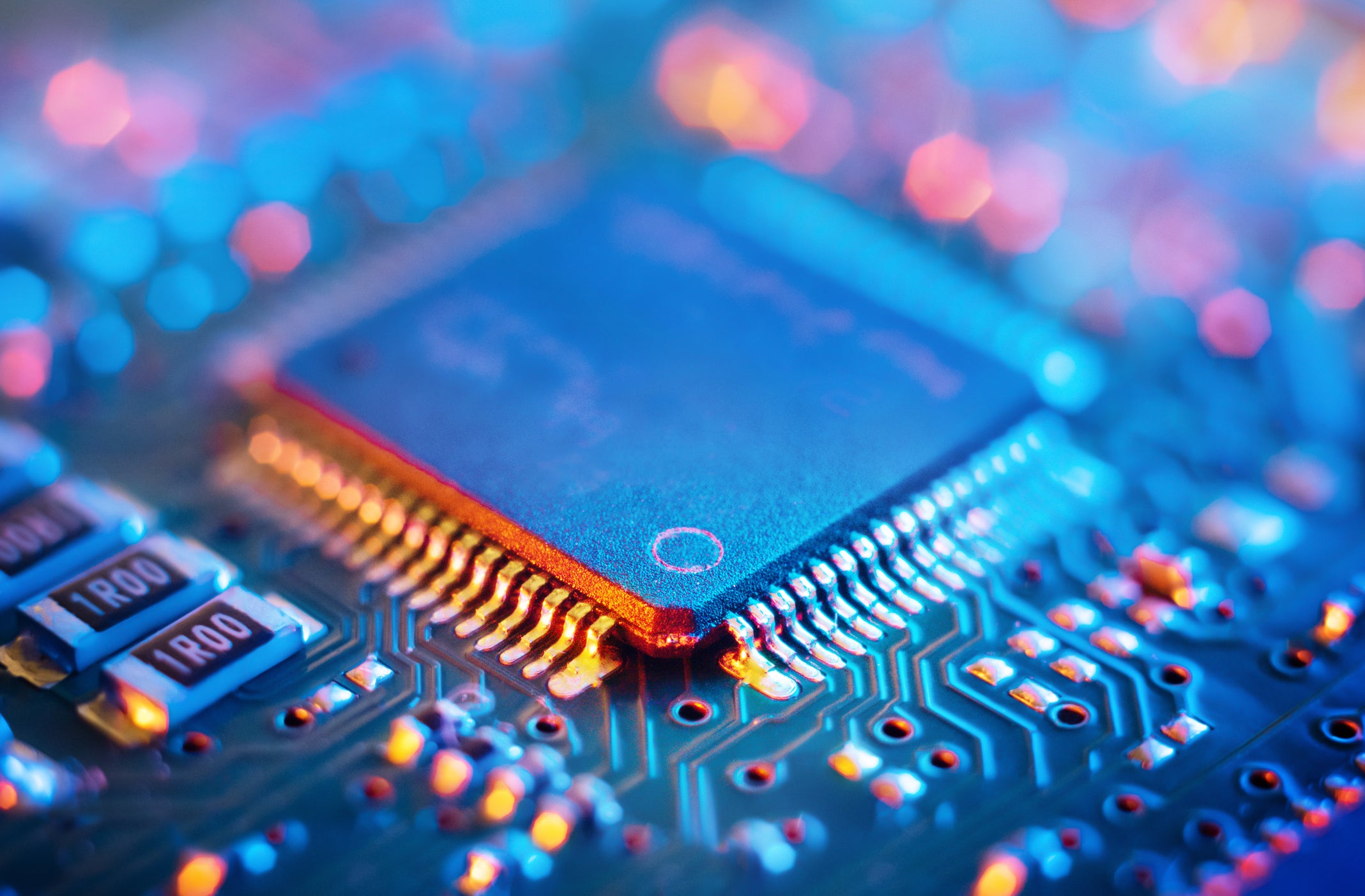
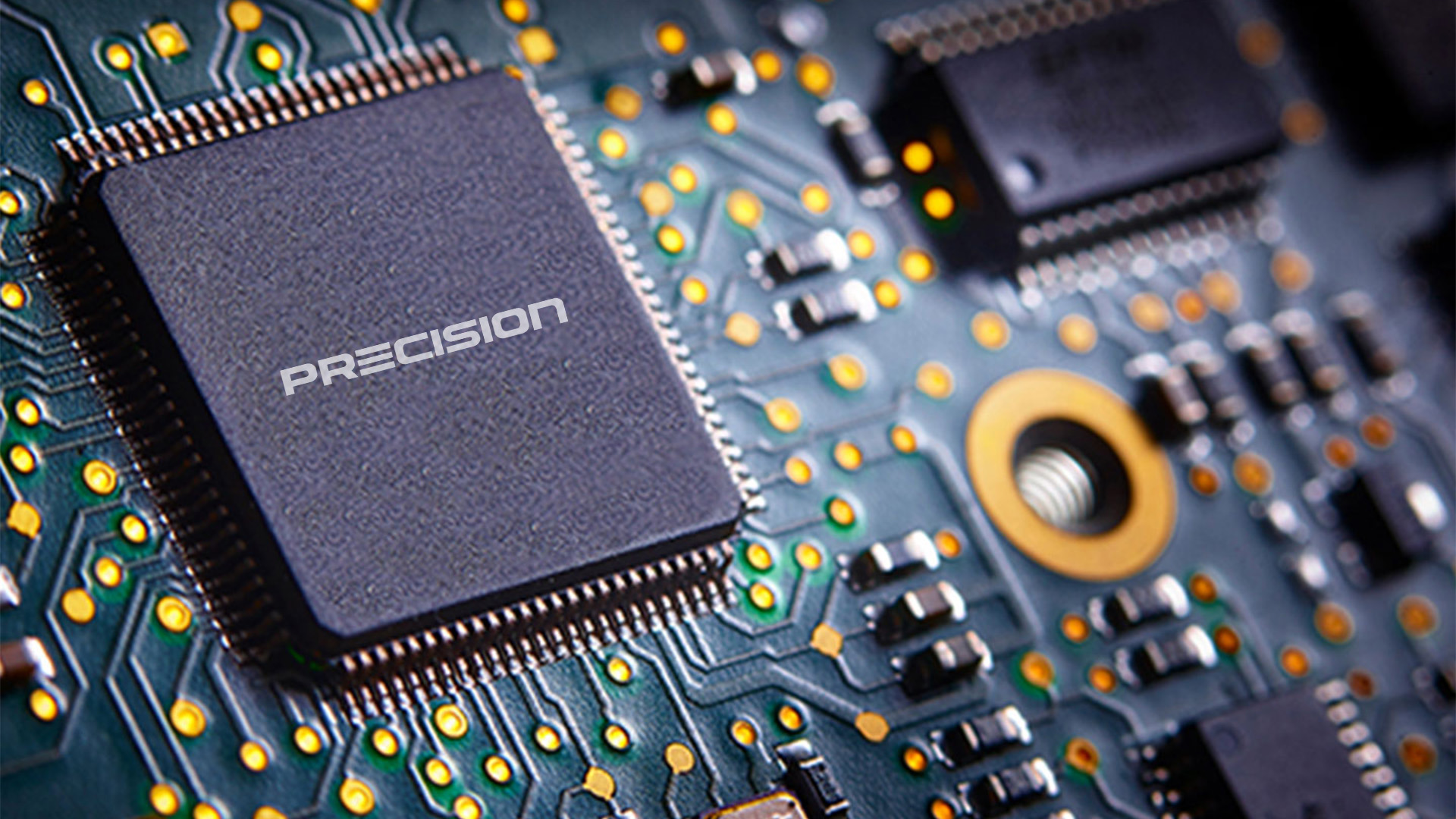
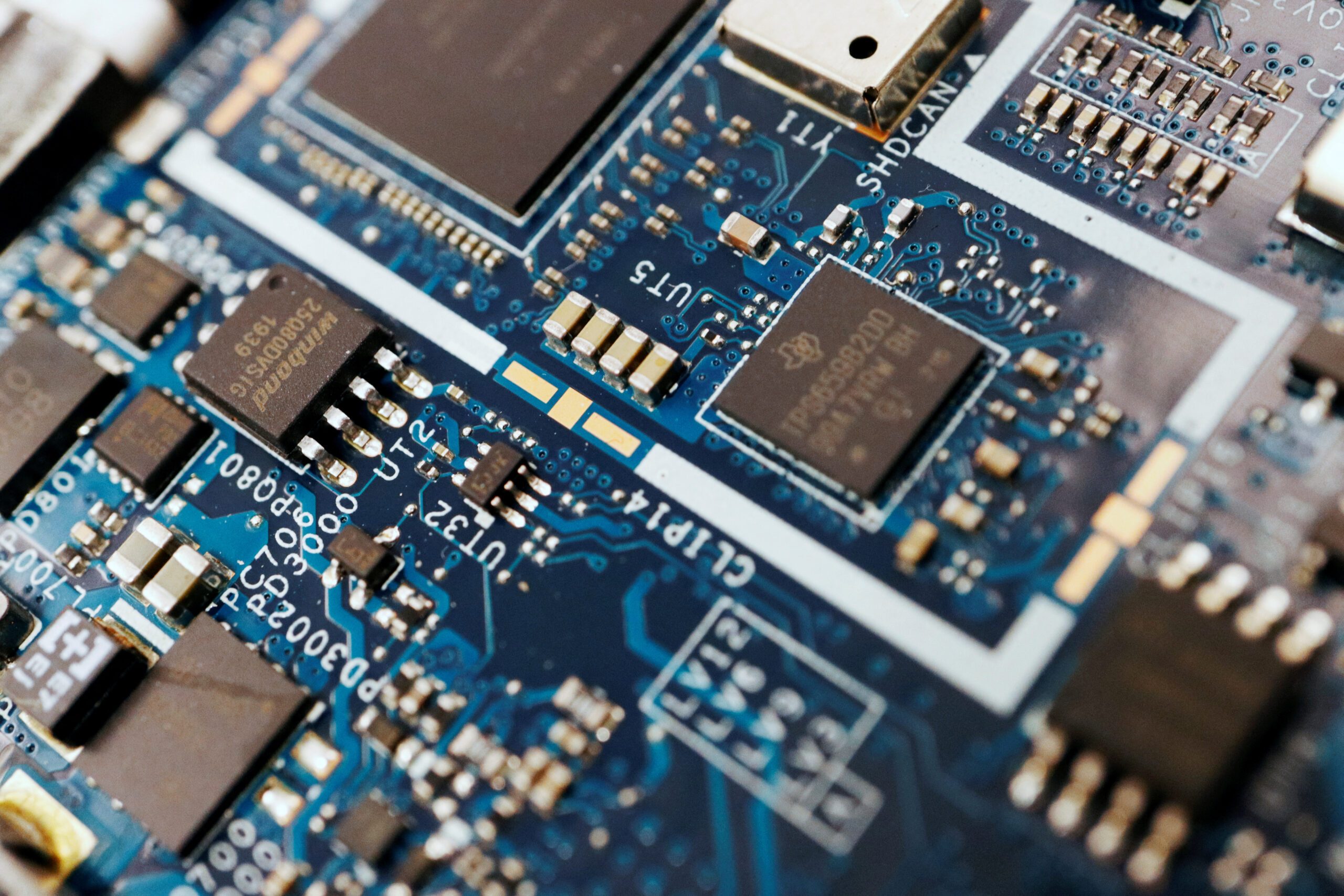
- Integrated Circuits (ICs): These are compact collections of electronic components, such as transistors, diodes, and resistors, that are fabricated onto a single piece of semiconductor material. ICs are used in everything from smartphones to supercomputers.
- Memory Chips: These are used to store data in electronic devices, such as computers, smartphones, and tablets. Memory chips are an essential component of modern technology.
Properties of Semiconductors
Semiconductors have several unique properties that make them ideal for a wide range of applications. Some of the key properties of semiconductors include:
- Conductivity: Semiconductors can conduct electricity under certain conditions, making them ideal for applications such as switches and amplifiers.
- Thermal Resistance: Semiconductors can withstand high temperatures, making them ideal for use in industrial control systems and automotive applications.
- Mechanical Strength: Semiconductors can withstand physical stress, making them ideal for use in devices such as smartphones and tablets.
Applications of Semiconductors
Semiconductors have a wide range of applications across various industries. Some of the most significant applications of semiconductors include:
- Consumer Electronics: Semiconductors are used in everything from smartphones and tablets to televisions and gaming consoles.
- Automotive Systems: Semiconductors are used in automotive systems, including engine control units, navigation systems, and driver assistance systems.
- Medical Devices: Semiconductors are used in medical devices, including portable defibrillators, insulin pumps, and MRI machines.
- Space Exploration: Semiconductors are used in space exploration, including satellite communications, navigation systems, and life support systems.
Advantages of Semiconductors
Semiconductors have several advantages that make them an attractive choice for a wide range of applications. Some of the key advantages of semiconductors include:
- Small Size: Semiconductors are incredibly small, making them ideal for use in portable devices.
- High Performance: Semiconductors can operate at extremely high speeds, making them ideal for applications such as computing and communication.
- Low Power Consumption: Semiconductors can operate with very low power consumption, making them ideal for use in battery-powered devices.
- High Reliability: Semiconductors are highly reliable, making them ideal for use in critical applications such as medical devices and automotive systems.
Challenges and Future Directions
Despite their many advantages, semiconductors also face several challenges and future directions. Some of the key challenges facing the semiconductor industry include:
- Manufacturing Complexity: The process of manufacturing semiconductors is becoming increasingly complex, making it more difficult to produce high-quality devices.
- Material Science Challenges: Researchers are continually working to develop new materials and manufacturing processes to improve the performance and efficiency of semiconductors.
- Economic Pressures: The semiconductor industry faces significant economic pressures, including competition from low-cost manufacturers and the need to develop new, high-performance devices.
In conclusion, semiconductors are the key to unlocking the future of technology. From their humble beginnings in the 1950s to their current status as the backbone of modern technology, semiconductors have come a long way. As the demand for smaller, faster, and more powerful devices continues to grow, the semiconductor industry will continue to play a critical role in shaping the future of technology.
The future of semiconductors is bright, with ongoing research and development focused on developing new materials and manufacturing processes to improve their performance and efficiency. Some of the emerging trends in the semiconductor industry include:
- Quantum Computing: Researchers are working on developing quantum computers that use semiconductors to perform complex
Recent Post
Unlocking The Secrets Of Menopause: Expert Insights On Navigating Life After 40 With Paolo Tantoco
Tensions Rise As Trump Officials Defend Tariffs Amid Market Volatility And Warnings For Savers And Retirees
Rosie O'Donnell Teases Trump Move, Posts Disruptive Selfie From Abroad
Wings For The Win: Capitals Edge Ducks 7-4 In Thrilling Matchup
Ducks Fall Short: Key Takeaways From Thrilling 7-4 Loss To Capitals
Article Recommendations
- Camilla Araujo: Unveiling The Secrets Of Her Captivating Fanbase
- Chris Mcnally: The SEO Expert Transforming Digital Marketing
- Patricia Arquette: An Eclectic Journey Through Film, Television, And Activism