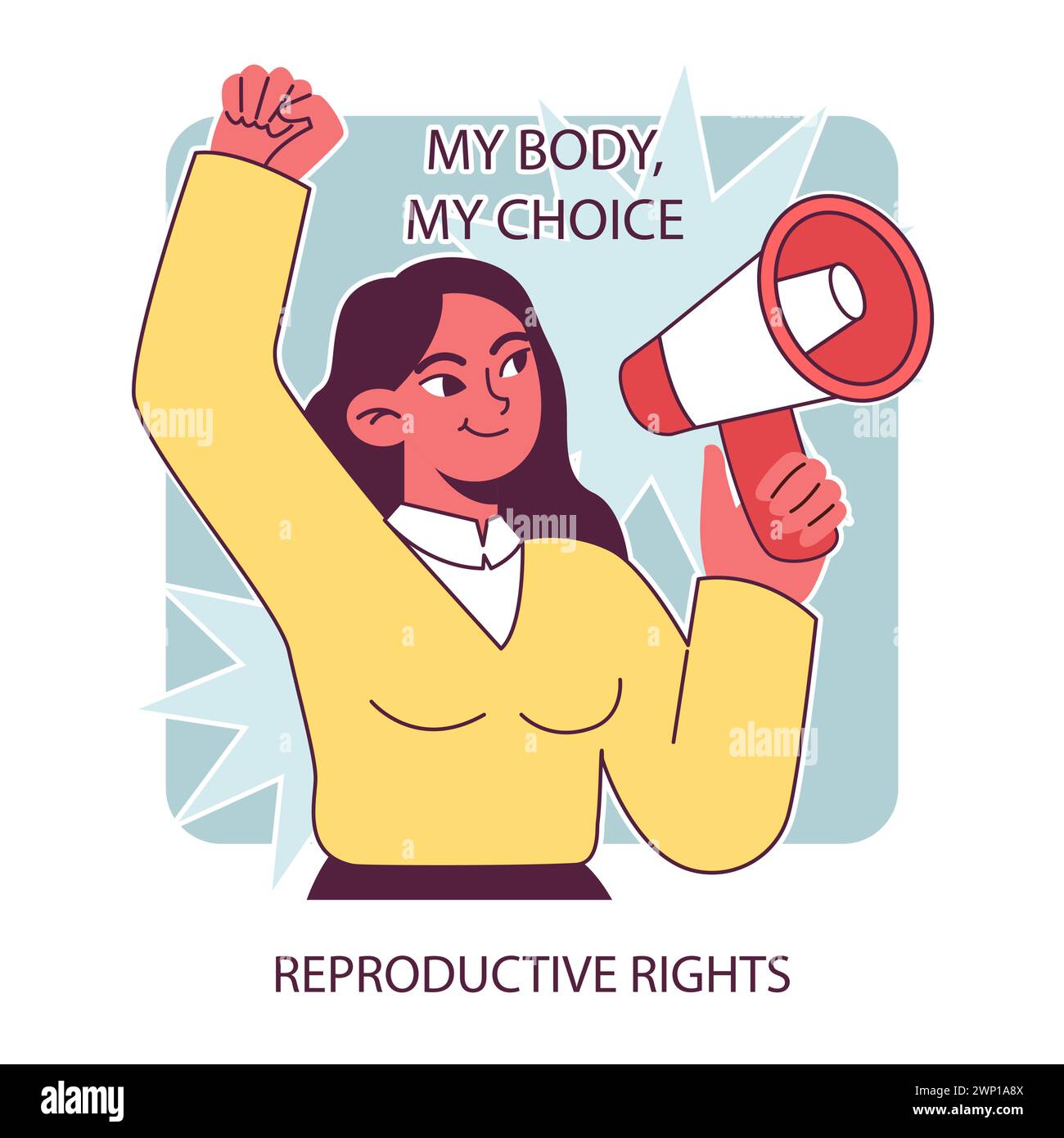
Respect for Reproductive Rights: Unlocking Bodily Autonomy for All
Reproductive rights have long been a contentious issue, sparking heated debates and impassioned discussions across the globe. The fight for bodily autonomy is not only a fundamental human right but also a crucial aspect of women's empowerment, equality, and social justice. This article delves into the complex world of reproductive rights, exploring the history, current state, and future prospects of this critical issue.
The fight for reproductive rights has its roots in the early 20th century, when feminist movements began to challenge patriarchal norms and societal expectations surrounding women's bodies and reproductive health. The landmark Roe v. Wade decision in 1973, which legalized abortion in the United States, marked a significant milestone in the struggle for reproductive autonomy. However, the decision was soon challenged by anti-abortion activists, leading to a decades-long battle for access to safe and legal abortion.
Today, reproductive rights remain a pressing concern, with many countries struggling to balance individual freedoms with government regulations and societal norms. The ongoing pandemic has only exacerbated the issue, as restrictions on reproductive healthcare have disproportionately affected marginalized communities, including low-income women, women of color, and LGBTQ+ individuals.
The History of Reproductive Rights
- Early 20th century: Feminist movements challenge patriarchal norms and advocate for women's reproductive rights
- 1973: Roe v. Wade decision legalizes abortion in the United States
- 1980s: Anti-abortion activism gains momentum, leading to a series of court cases and protests
- 1990s: Global reproductive rights movements emerge, advocating for access to safe and legal abortion
- 2010s: Access to reproductive healthcare is threatened by government restrictions and anti-abortion legislation
The history of reproductive rights is complex and multifaceted, reflecting the diverse experiences and perspectives of women across the globe. From the early 20th century feminist movements to the present day, reproductive rights activists have fought tirelessly to secure access to safe and legal abortion, as well as comprehensive reproductive healthcare.
The Impact of Restrictive Laws
Restrictive laws on reproductive rights have far-reaching consequences for individuals, communities, and society as a whole. These laws often perpetuate systemic inequalities, disproportionately affecting marginalized groups and exacerbating health disparities.
- Unintended pregnancies: Restrictive laws can lead to increased rates of unintended pregnancies, which can have devastating consequences for women's health and well-being
- Limited access to healthcare: Restrictive laws can limit access to reproductive healthcare, including prenatal care, abortion, and family planning services
- Increased mortality rates: Restrictive laws can contribute to increased mortality rates among women, particularly in low-income and marginalized communities
The Fight for Bodily Autonomy
Bodily autonomy is a fundamental aspect of reproductive rights, recognizing individuals' right to make decisions about their own bodies, health, and well-being. The fight for bodily autonomy is a critical aspect of social justice movements, as it intersects with issues of gender equality, women's empowerment, and human rights.
- Self-determination: Bodily autonomy recognizes individuals' right to self-determination, allowing them to make decisions about their own bodies and health
- Women's empowerment: Bodily autonomy is a key aspect of women's empowerment, enabling women to take control of their reproductive health and make informed decisions
- Human rights: Bodily autonomy is a fundamental human right, recognized by international law and human rights organizations
Current State of Reproductive Rights
The current state of reproductive rights is complex and dynamic, reflecting the ongoing efforts of activists, policymakers, and healthcare providers to advance access to reproductive healthcare.
- Access to abortion: Access to abortion remains a contentious issue, with many countries experiencing restrictions on reproductive healthcare
- Comprehensive reproductive healthcare: Comprehensive reproductive healthcare, including prenatal care, family planning services, and reproductive education, remains a pressing concern
- Reproductive justice: Reproductive justice, which prioritizes health equity and social justice, is gaining recognition as a critical aspect of reproductive rights
Future Prospects for Reproductive Rights
As the global landscape of reproductive rights continues to evolve, there are several future prospects that hold promise for advancing access to reproductive healthcare.
- Increased activism: Increased activism and advocacy efforts are likely to drive progress on reproductive rights, including the advancement of comprehensive reproductive healthcare
- Policy changes: Policy changes, such as the overturning of restrictive laws, are critical to advancing access to reproductive healthcare
- Global cooperation: Global cooperation and diplomacy are essential to addressing the global reproductive rights crisis, including promoting reproductive justice and advancing access to reproductive healthcare
The Role of Healthcare Providers
Healthcare providers play a critical role in advancing reproductive rights, providing essential services and information to individuals and communities.
- Comprehensive care: Comprehensive care, including prenatal care, family planning services, and reproductive education, is essential for advancing reproductive health
- Non-judgmental care: Non-judgmental care, including culturally sensitive and inclusive services, is critical for promoting trust and addressing the unique needs of individuals and communities
- Education and advocacy: Education and advocacy efforts, including training and support, are essential for promoting reproductive justice and advancing access to reproductive healthcare
The Importance of Education and Awareness
Education and awareness are critical components of advancing reproductive rights, promoting reproductive health, and reducing health disparities.
- Reproductive education: Comprehensive reproductive education, including sex education and reproductive health information, is essential for promoting reproductive health and autonomy
- Awareness-raising: Awareness-raising efforts, including advocacy and activism, are critical for promoting reproductive justice and advancing access to reproductive healthcare
- Community engagement: Community engagement, including outreach and support, is essential for promoting reproductive health and addressing the unique needs of individuals and communities
The Impact of Technology on Reproductive Rights
Technology has the potential to revolutionize reproductive rights, promoting access to reproductive healthcare and advancing reproductive justice.
Recent Post
Unlocking The Secrets Of Menopause: Expert Insights On Navigating Life After 40 With Paolo Tantoco
Tensions Rise As Trump Officials Defend Tariffs Amid Market Volatility And Warnings For Savers And Retirees
Rosie O'Donnell Teases Trump Move, Posts Disruptive Selfie From Abroad
Wings For The Win: Capitals Edge Ducks 7-4 In Thrilling Matchup
Ducks Fall Short: Key Takeaways From Thrilling 7-4 Loss To Capitals
Article Recommendations
- Explore The Enchanting World Of Eurome: Uncover Hidden Gems And Timeless Traditions
- Unveiling Dingdongantes Heights: A Pinnacle Of Nature And Adventure
- Paige VanZant: Unleashing Passion And Magnetism In The World Of Combat