- The Impact of Restrictive Abortion Laws
- The Role of Religious Interference
- The Importance of Access to Birth Control
- The Role of Activism and Advocacy
- The Importance of Intersectionality
- The Power of Policy Change
- The Use of Litigation
- The Role of Social Media
- The Importance of Community-Based Initiatives
- Resources
Reproductive Rights: The Fight for Bodily Autonomy and Choice - A Fundamental Human Right
Reproductive rights are a cornerstone of human dignity, enabling individuals to make informed decisions about their own bodies, health, and well-being. The fight for reproductive rights is not only a social justice issue but also a fundamental human right, as enshrined in the Universal Declaration of Human Rights and other international human rights instruments. In this article, we will explore the complexities of reproductive rights, the challenges faced by individuals and communities, and the ongoing efforts to protect and expand access to reproductive healthcare.
Reproductive rights are essential for women's and girls' empowerment, education, and economic participation. When individuals have control over their reproductive health, they are more likely to pursue education and career opportunities, participate in the workforce, and enjoy better overall health and well-being. Moreover, reproductive rights are critical for addressing issues such as maternal mortality, HIV/AIDS, and other health disparities that disproportionately affect marginalized communities.
The fight for reproductive rights is not a recent development, but it has gained significant momentum in recent years. In the United States, the landmark Roe v. Wade decision in 1973 established a woman's right to choose, while in other parts of the world, reproductive rights have been fought for and won through decades of activism and advocacy. Despite these progress, reproductive rights continue to be threatened by conservative and patriarchal forces that seek to restrict access to reproductive healthcare.
The Importance of Bodily Autonomy
Bodily autonomy is a fundamental aspect of reproductive rights, enabling individuals to make decisions about their own bodies, including the decision to carry a pregnancy to term or to undergo an abortion. The right to bodily autonomy is essential for protecting women's and girls' health, dignity, and well-being.
The Impact of Restrictive Abortion Laws
Restrictive abortion laws, such as those in Texas and Alabama, have had devastating consequences for individuals seeking reproductive healthcare. In Texas, the passage of Senate Bill 8 in 2021 led to a surge in out-of-state abortions, as individuals sought to escape the state's restrictive laws. In Alabama, the passage of Alabama Act 418 in 2019 made it a felony to provide medical abortions, leading to a significant increase in the number of individuals seeking abortion services in neighboring states.
The Role of Religious Interference
Religious interference in reproductive rights is a significant challenge, particularly in countries with strong patriarchal traditions. In some countries, conservative religious groups have launched campaigns to restrict access to reproductive healthcare, often citing biblical or cultural prohibitions against abortion and birth control.
The Importance of Access to Birth Control
Access to birth control is essential for reproductive rights, enabling individuals to plan their families, delay pregnancy, and prevent unintended pregnancies. However, birth control access has been threatened by conservative efforts to restrict funding for family planning programs and limit access to prescription birth control.
The Fight for Reproductive Rights
The fight for reproductive rights is a global movement, with individuals and organizations working to protect and expand access to reproductive healthcare. The movement is built on a foundation of solidarity, advocating for the rights of marginalized communities and amplifying the voices of those most impacted by reproductive injustices.
The Role of Activism and Advocacy
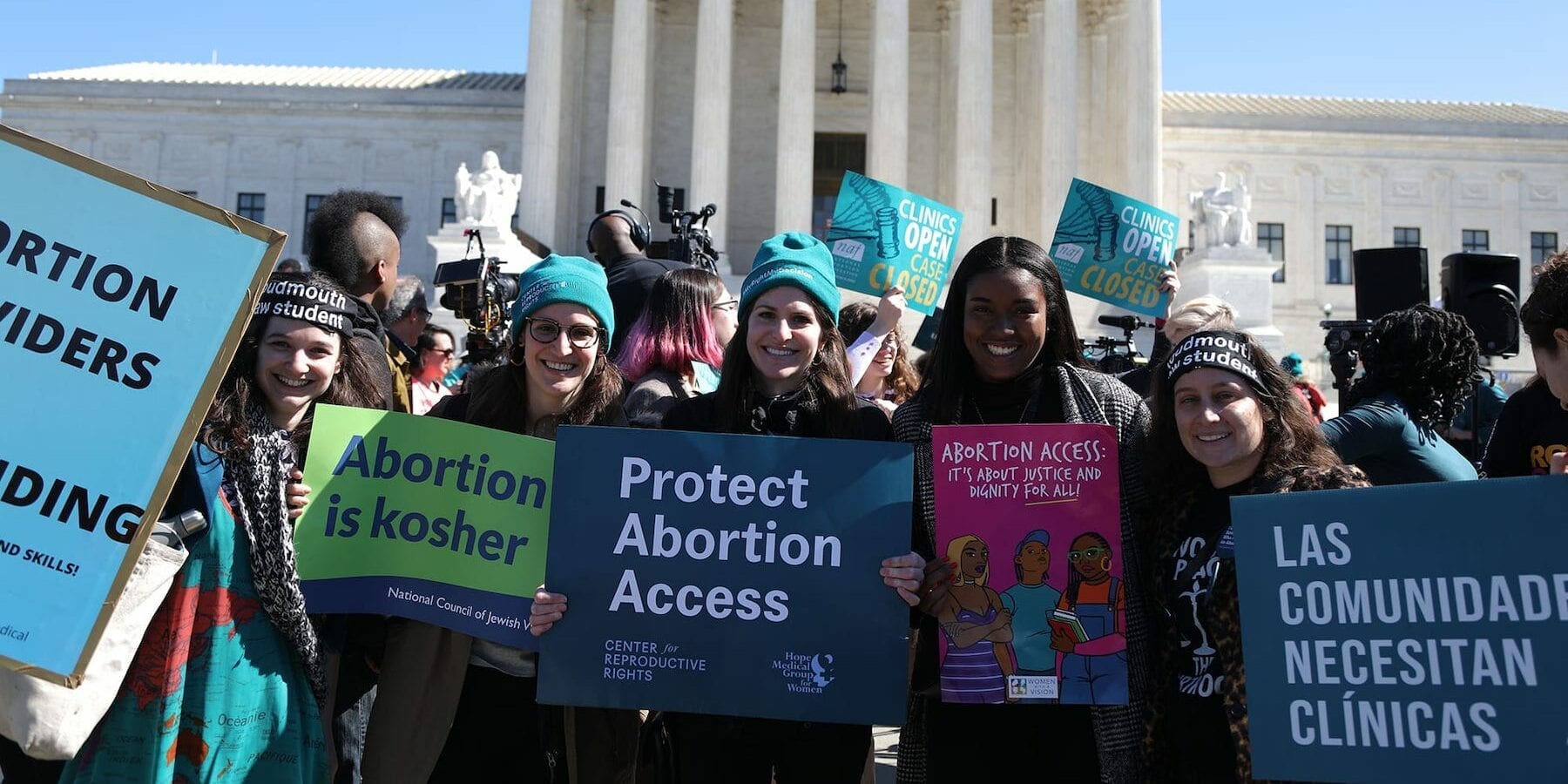
Activism and advocacy are critical components of the reproductive rights movement. Individuals and organizations are working to challenge restrictive laws and policies, promote access to reproductive healthcare, and provide support to those affected by reproductive injustices.
The Importance of Intersectionality
Intersectionality is a key principle of the reproductive rights movement, recognizing the multiple and intersecting forms of oppression that individuals experience. By centering the voices and experiences of marginalized communities, the movement is working to address the unique challenges and barriers faced by women of color, LGBTQ+ individuals, and other marginalized groups.
The Power of Policy Change
Policy change is a critical component of the reproductive rights movement, as governments and policymakers have the power to shape laws and regulations that impact reproductive healthcare. By advocating for policy change, individuals and organizations can help ensure that reproductive rights are protected and expanded.
Challenging Restrictive Laws and Policies
Restrictive laws and policies, such as those that restrict access to abortion and birth control, pose significant challenges to reproductive rights. Individuals and organizations are working to challenge these laws and policies, often using innovative and creative strategies.
The Use of Litigation
Litigation is a key strategy in challenging restrictive laws and policies. Courts have the power to review and challenge laws that violate human rights, including reproductive rights. By bringing cases to court, individuals and organizations can help protect and expand access to reproductive healthcare.
The Role of Social Media
Social media has become a powerful tool in the reproductive rights movement, enabling individuals and organizations to raise awareness, mobilize support, and challenge restrictive laws and policies. Social media campaigns, such as #ReproductiveRights and #MyBodyMyChoice, have helped to amplify the voices of marginalized communities and promote reproductive justice.
The Importance of Community-Based Initiatives
Community-based initiatives are critical in the reproductive rights movement, as they provide vital support and resources to individuals and families affected by reproductive injustices. By building community-based initiatives, individuals and organizations can help ensure that reproductive rights are respected and protected.
Conclusion
Reproductive rights are a fundamental human right, essential for women's and girls' empowerment, education, and economic participation. The fight for reproductive rights is a global movement, with individuals and organizations working to protect and expand access to reproductive healthcare. By recognizing the importance of bodily autonomy, challenging restrictive laws and policies, and promoting community-based initiatives, we can help ensure that reproductive rights are respected and protected for all.
Resources
- The American College of Obstetricians and Gynecologists (ACOG). (2020). Reproductive Rights.
- _The Centers for Disease Control and Prevention (CDC). (2020). Birth Control
Recent Post
Unlocking The Secrets Of Menopause: Expert Insights On Navigating Life After 40 With Paolo Tantoco
Tensions Rise As Trump Officials Defend Tariffs Amid Market Volatility And Warnings For Savers And Retirees
Rosie O'Donnell Teases Trump Move, Posts Disruptive Selfie From Abroad
Wings For The Win: Capitals Edge Ducks 7-4 In Thrilling Matchup
Ducks Fall Short: Key Takeaways From Thrilling 7-4 Loss To Capitals
Article Recommendations
- Unveiling The Secrets Of Karlan Connieenio: A Comprehensive Guide
- Elevate Your Local Presence: The Ultimate Google My Business Ranking Checker
- Unveiling The Secrets Of Pinoy Candal: A Cultural Exploration