Government Overreach: The Shocking Truth About Your Reproductive Rights
The Supreme Court's recent ruling on reproductive rights has left many Americans questioning the extent of government overreach in this sensitive issue. As the debate continues to heat up, it's essential to delve into the complexities of reproductive rights and explore the government's role in shaping this critical aspect of personal freedom. In this article, we'll examine the history of reproductive rights, the current state of affairs, and the government's efforts to exert control over this fundamental aspect of human life.
The history of reproductive rights in the United States is a long and tumultuous one, marked by numerous landmark cases and contentious debates. From the early days of forced sterilization to the present-day battles over abortion access, the government has consistently sought to balance individual rights with the interests of society as a whole. However, as the landscape of reproductive rights continues to shift, one thing remains clear: the government's reach extends far beyond the courts and into the daily lives of citizens.
The recent Supreme Court ruling has sparked widespread outrage and concern, with many arguing that the government is overstepping its bounds in its attempts to restrict access to reproductive healthcare. As we examine the government's efforts to exert control over reproductive rights, it becomes clear that this is not an isolated incident, but rather part of a broader pattern of government overreach.
The Current State of Reproductive Rights
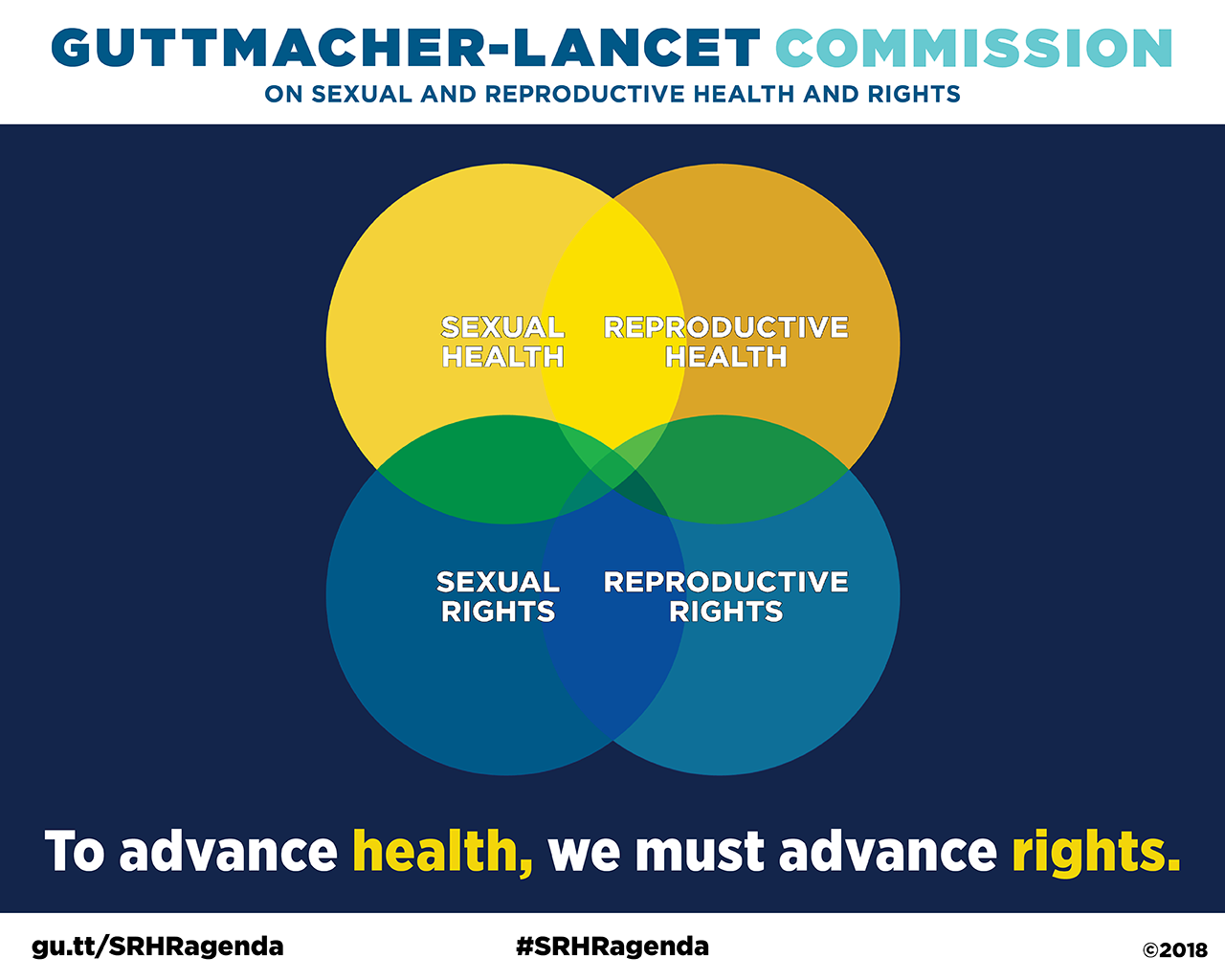
Reproductive rights in the United States are complex and multifaceted, with various laws and regulations governing different aspects of reproductive healthcare. At the federal level, the Affordable Care Act (ACA) requires health insurance plans to cover certain preventive services, including reproductive healthcare. However, despite these gains, many Americans continue to face significant barriers to accessing reproductive healthcare, particularly in rural and underserved areas.
Key Players in the Reproductive Rights Debate
The reproductive rights debate involves a range of stakeholders, including government agencies, healthcare providers, and advocacy groups. Some of the key players in this debate include:
- The Centers for Disease Control and Prevention (CDC), which provides funding and resources for reproductive healthcare programs
- The Planned Parenthood Federation of America, which operates a network of healthcare providers and advocates for reproductive rights
- The American College of Obstetricians and Gynecologists (ACOG), which provides guidance on reproductive healthcare and advocates for patient-centered care
These organizations, along with many others, play critical roles in shaping the reproductive rights landscape in the United States.
The Impact of Government Policies on Reproductive Rights
Government policies have a profound impact on reproductive rights, shaping access to healthcare, influencing public opinion, and impacting individuals' lives in meaningful ways. Some of the key policies that have affected reproductive rights include:
- Abortion restrictions: Laws and regulations that limit access to abortion, such as waiting periods and parental consent requirements
- Contraceptive access: Policies that restrict access to birth control, such as the Hyde Amendment
- Reproductive healthcare funding: Laws that determine how funding is allocated for reproductive healthcare programs
These policies have significant implications for reproductive rights, influencing not only access to healthcare but also individuals' autonomy and dignity.
Government Overreach: The Case for Caution
As we examine the government's role in reproductive rights, it becomes clear that there are valid concerns about government overreach. The current Supreme Court ruling has sparked debate about the limits of government power and the importance of protecting individual rights. However, the issue is more complex than a simple case of government overreach or the erosion of reproductive rights.
The History of Government Intervention in Reproductive Rights
The government's involvement in reproductive rights is a long-standing issue, with various laws and regulations governing different aspects of reproductive healthcare. From the Comstock laws of the 19th century to the present-day battles over abortion access, the government has consistently sought to balance individual rights with the interests of society as a whole.
The Role of Institutional Racism in Reproductive Rights
Institutional racism plays a significant role in reproductive rights, with many communities of color facing significant barriers to accessing reproductive healthcare. This is evident in the disproportionate rates of maternal mortality, infant mortality, and access to prenatal care in these communities.
Factors Contributing to Institutional Racism in Reproductive Rights
- Lack of culturally competent care: Healthcare providers often lack the training and resources needed to provide culturally competent care, leading to misdiagnoses and poor health outcomes
- Limited access to reproductive healthcare: Rural and underserved areas often lack access to reproductive healthcare providers, exacerbating existing health disparities
- Systemic inequality: Laws and policies that perpetuate systemic inequality, such as discriminatory policing and inadequate housing, contribute to health disparities in communities of color
The Importance of Community-Based Solutions
Community-based solutions are essential for addressing the complex issues surrounding reproductive rights. By working with local organizations and community leaders, individuals can develop tailored solutions that address the unique needs and challenges of their community.
Strategies for Community-Based Solutions
- Peer-led education: Peer-led education programs can provide critical information and support to individuals navigating reproductive healthcare
- Community health worker programs: Community health worker programs can provide culturally competent care and connect individuals with necessary resources
- Advocacy and activism: Advocacy and activism efforts can raise awareness about reproductive rights and push for policy changes that support community needs
Conclusion
The government's role in reproductive rights is complex and multifaceted, with various laws and regulations governing different aspects of reproductive healthcare. While there are valid concerns about government overreach, it's essential to consider the broader context and the factors that contribute to the current state of reproductive rights. By examining the history of reproductive rights, the impact of government policies, and the importance of community-based solutions, we can work towards a more nuanced understanding of this critical issue.
As we move forward, it's essential to
Recent Post
Unlocking The Secrets Of Menopause: Expert Insights On Navigating Life After 40 With Paolo Tantoco
Tensions Rise As Trump Officials Defend Tariffs Amid Market Volatility And Warnings For Savers And Retirees
Rosie O'Donnell Teases Trump Move, Posts Disruptive Selfie From Abroad
Wings For The Win: Capitals Edge Ducks 7-4 In Thrilling Matchup
Ducks Fall Short: Key Takeaways From Thrilling 7-4 Loss To Capitals
Article Recommendations
- Lee Majors: The Six Million Dollar Man From TV To The Big Screen
- Unveiling The Mystery: Meet The Wife Of Renowned Actor Isavid Muir
- Unveiling The Mystery: Who's The Woman Beside The Rising Star Markavis?