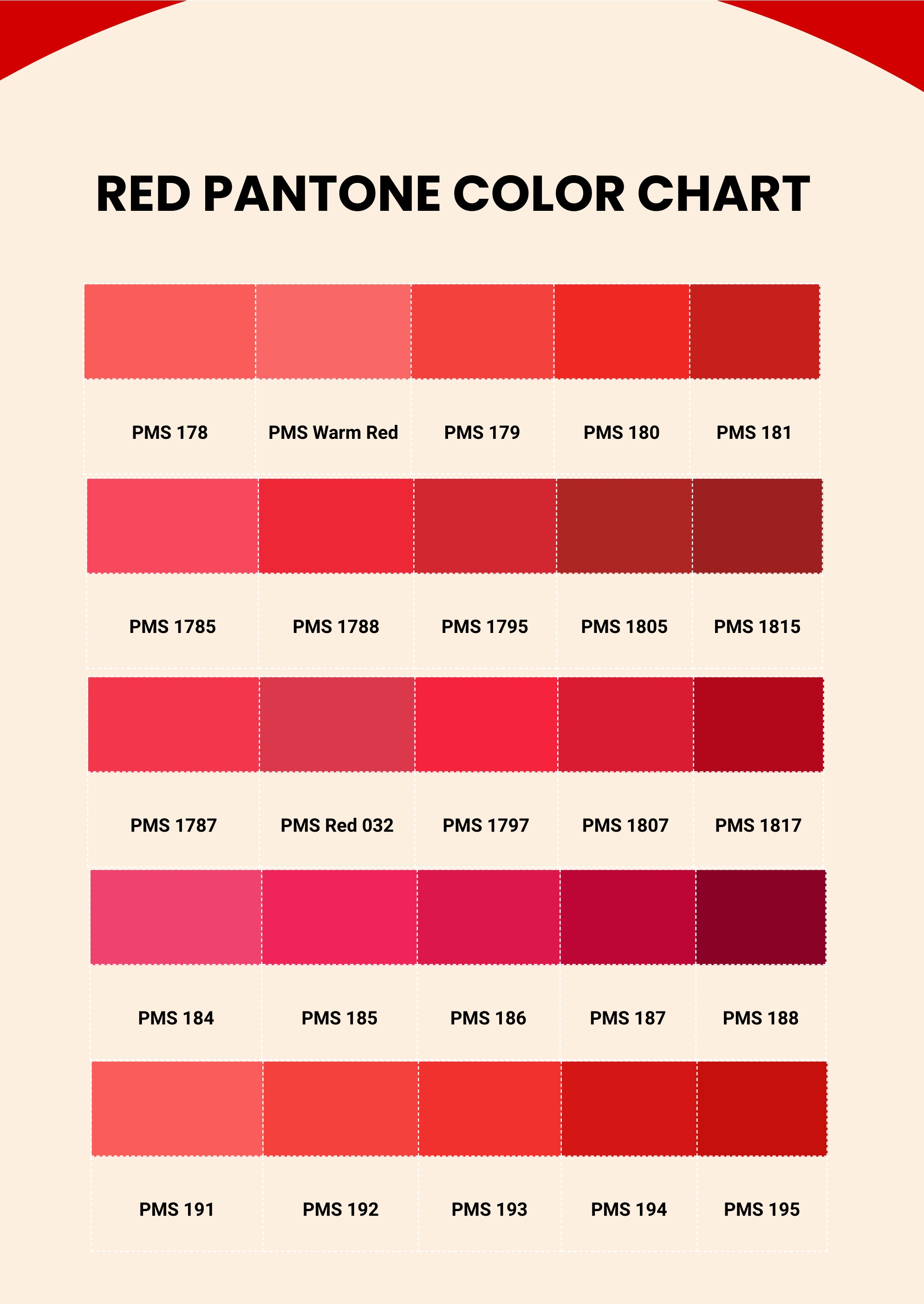
Red Alert: The Hidden Dangers of Artificial Colors
As we rush through our daily lives, sipping on brightly colored drinks, munching on packaged snacks, and scrolling through our social media feeds, it's easy to overlook the subtle yet sinister forces at play. The artificial colors that surround us, masquerading as harmless hues, are actually a ticking time bomb, waiting to unleash a cocktail of adverse effects on our bodies. From disrupted sleep patterns to increased risk of hyperactivity, the health consequences of artificial colors are far-reaching and alarming.
In recent years, the scientific community has sounded the alarm on the dangers of artificial colors, which are often used to enhance the appearance of food products, cosmetics, and pharmaceuticals. But despite the mounting evidence, many of these colors remain widely accepted, hiding in plain sight in our daily lives. In this article, we'll delve into the world of artificial colors, exploring their history, the chemicals behind them, and the devastating effects they can have on our health.
History of Artificial Colors
Artificial colors have been a staple of modern industry for over a century, with the first synthetic dyes emerging in the late 19th century. Initially, these colors were used to enhance the appearance of food products and textiles, but it wasn't until the mid-20th century that they began to be used in pharmaceuticals and cosmetics. Today, artificial colors are used in a staggering array of products, from breakfast cereals to children's toys.
The Most Common Artificial Colors
While there are numerous artificial colors on the market, some of the most common ones include:
- Red 40 (Allura Red)
- Yellow 5 (Tartrazine)
- Yellow 6 (Sunset Yellow FCF)
- Blue 1 (Brilliant Blue FCF)
- Blue 2 (Indigo Carmine)
These colors are often used to create a range of hues, from bright reds and oranges to vibrant yellows and blues.
Chemical Composition of Artificial Colors
Artificial colors are typically made from a cocktail of chemicals, including petrochemicals, sulfur compounds, and metallic salts. These chemicals are often derived from fossil fuels, which are not only finite resources but also contribute to climate change. The chemical composition of artificial colors can vary widely, depending on the specific product and manufacturer.
The Health Risks of Artificial Colors
The health risks associated with artificial colors are numerous and varied. Some of the most concerning effects include:
- Hyperactivity: Artificial colors, particularly Red 40 and Yellow 5, have been linked to hyperactivity in children. This is often manifested as restlessness, impulsivity, and an inability to focus.
- Allergic Reactions: Some individuals may be allergic to certain artificial colors, which can trigger a range of symptoms, from mild hives to life-threatening anaphylaxis.
- Cancer Risk: Some studies have suggested that certain artificial colors, particularly Red 40, may increase the risk of cancer in laboratory animals. However, human studies have been inconsistent, and more research is needed to confirm these findings.
- Digestive Problems: Artificial colors can cause a range of digestive problems, from stomach upset to irritable bowel syndrome (IBS).
Case Studies: The Consequences of Artificial Colors
While the health risks associated with artificial colors are well-documented, the consequences of their use can be devastating. Here are a few case studies that illustrate the impact of artificial colors on human health:
- Tylenol Recall: In 1998, Johnson & Johnson recalled its entire line of Tylenol products due to contamination with artificial colors. The recall was the result of a batch of ingredients that contained the chemical cadmium, which is known to be toxic to humans.
- Fruit Smack: In the 1970s, a popular children's snack called Fruit Smack was contaminated with artificial colors and preservatives. The snack was later recalled due to concerns over its potential health risks.
- Vegemite Recall: In 2006, Kraft Foods recalled its Vegemite brand due to contamination with the artificial color Red 3. The recall was the result of a batch of ingredients that contained the chemical ethyl carbamate, which is known to be a carcinogen.
The Alternative: Natural Colors
In recent years, there has been a growing trend towards the use of natural colors in food products, cosmetics, and pharmaceuticals. Natural colors are derived from plants, fruits, and vegetables, and are generally considered to be safer and more sustainable than artificial colors.
Benefits of Natural Colors
The benefits of natural colors are numerous, including:
- Reduced health risks: Natural colors are less likely to cause adverse reactions or health problems compared to artificial colors.
- Environmental benefits: Natural colors are often derived from sustainable sources, reducing the environmental impact of the color manufacturing process.
- Increased consumer acceptance: Many consumers are increasingly demanding more natural and sustainable products, and natural colors are seen as a key differentiator in this market.
Regulation of Artificial Colors
The regulation of artificial colors varies widely depending on the country and region. In the United States, the Food and Drug Administration (FDA) regulates the use of artificial colors in food products, while in the European Union, the European Food Safety Authority (EFSA) plays a key role in assessing the safety of artificial colors.
Challenges in Regulating Artificial Colors
Regulating artificial colors is a complex and challenging task, with numerous stakeholders involved. Some of the key challenges include:
- Limited scientific understanding: The long-term health effects of artificial colors are not yet fully understood, making it difficult to establish safe limits.
- Conflicting regulatory approaches: Different countries and regions have different approaches to regulating artificial colors, which can lead to confusion and inconsistencies.
- Pressure from industry: The food and pharmaceutical industries are significant users of artificial colors, and there is often pressure to reduce or eliminate regulatory controls.
Recent Post
Unlocking The Secrets Of Menopause: Expert Insights On Navigating Life After 40 With Paolo Tantoco
Tensions Rise As Trump Officials Defend Tariffs Amid Market Volatility And Warnings For Savers And Retirees
Rosie O'Donnell Teases Trump Move, Posts Disruptive Selfie From Abroad
Wings For The Win: Capitals Edge Ducks 7-4 In Thrilling Matchup
Ducks Fall Short: Key Takeaways From Thrilling 7-4 Loss To Capitals
Article Recommendations
- Unveiling The Wayans Brothers: Unraveling The Number Of Sibling Comedians
- Unveiling The Beloved Husband Of Batya Ungar Sargon: A Journey Of Love And Inspiration
- Unveiling The Enigmatic Sophie Rainpiderman: From The Depths Of The Web To The Heights Of Google Discover