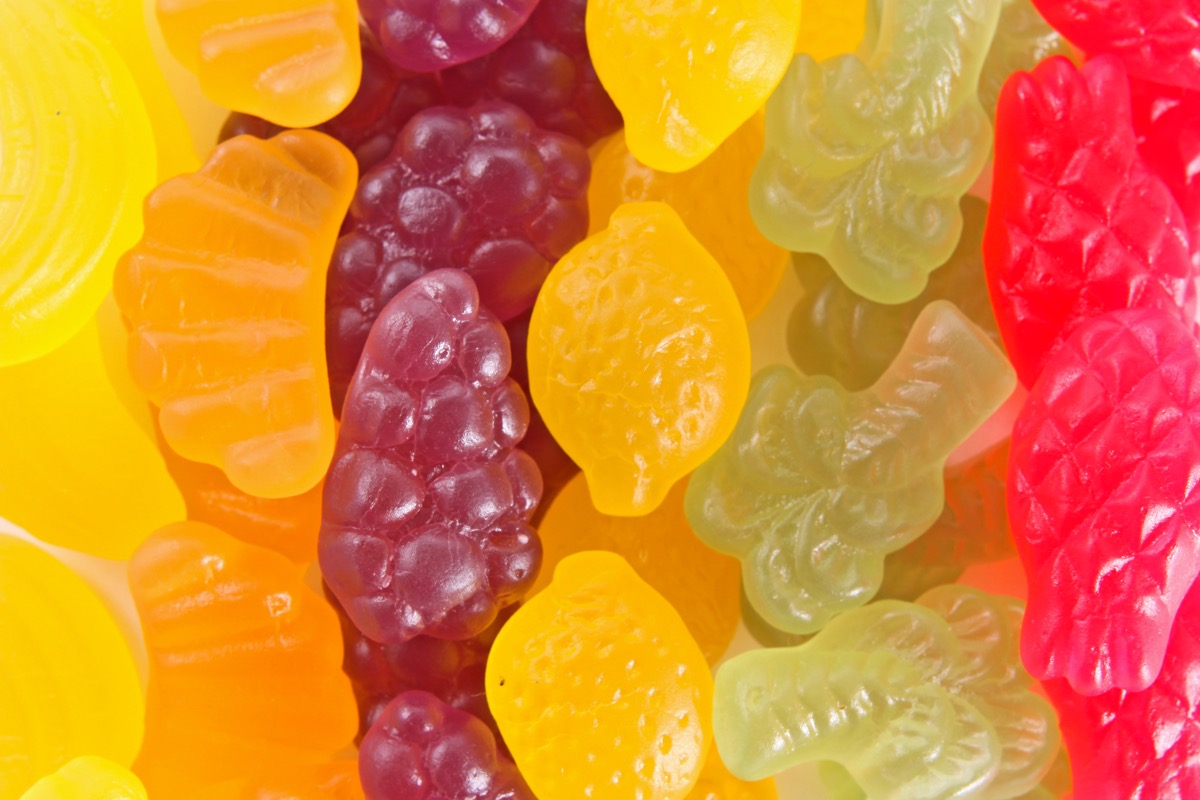
The Hidden Danger Lurking in Your Kids' Favourite Coloured Drinks
Are you aware of the alarming truth behind the most commonly used food colourings in the food industry? Red food dye, also known as Allura Red AC, has been a subject of controversy and debate for decades. While many food manufacturers claim that these colourings are safe, research has revealed a shocking truth that could leave you questioning the safety of your kids' favourite coloured drinks.
The Rise of Artificial Food Colourings
Artificial food colourings have become a staple in many processed foods, including yogurts, candies, and fruit juices. These colourings are often derived from petroleum byproducts, which have been linked to a range of health problems. The demand for artificial colourings has grown exponentially in recent years, with manufacturers relying on these cheap and efficient alternatives to natural colourings.
What is Red Food Dye?
Red food dye, also known as Allura Red AC, is a synthetic colouring that is commonly used in food products, particularly in the manufacture of fruit juices, candies, and soft drinks. This colouring is produced through a chemical reaction that involves the reaction of petroleum-based chemicals with other substances. The resulting colour is a deep red shade that is often used to give products a bright and appealing appearance.
The Health Risks of Red Food Dye
Research has revealed a range of potential health risks associated with the consumption of red food dye. Some of the most significant concerns include:
• Allergic reactions: Some people may be allergic to red food dye, which can cause a range of symptoms, including hives, itching, and difficulty breathing.
• Cancer risk: Some studies have suggested that long-term consumption of red food dye may increase the risk of cancer, particularly in children.
• Hyperactivity: Red food dye has been linked to hyperactivity in some individuals, with a study published in the Journal of Attention Disorders finding that children who consumed products containing the colouring were more likely to exhibit hyperactive behaviour.
• Neurological problems: Some research has suggested that red food dye may contribute to neurological problems, including headaches, migraines, and tremors.
The Lack of Regulation
Despite the growing number of concerns surrounding red food dye, the regulation of these colourings remains lax. In the United States, for example, the FDA has approved the use of red food dye in food products, despite the fact that it has been linked to a range of health problems. Similarly, in the European Union, the European Food Safety Authority (EFSA) has approved the use of red food dye, despite concerns about its safety.
The Natural Alternatives to Red Food Dye
Fortunately, there are natural alternatives to red food dye that can be used to achieve a similar colour without the potential health risks. Some of the most effective natural colourings include:
• Beetroot juice: Beetroot juice is a rich source of natural colour and can be used to give products a deep red shade.
• Pomegranate juice: Pomegranate juice is another natural colouring that can be used to give products a range of colours, including red and pink.
• Turmeric: Turmeric is a natural colouring that has been used for centuries in traditional medicine and cooking.
Using Natural Colourings in Your Cooking
Using natural colourings can be a simple and effective way to avoid the potential health risks associated with artificial colourings. Here are some tips for using natural colourings in your cooking:
• Use beetroot juice as a natural alternative to red food dye.
• Experiment with different types of juice, such as pomegranate or carrot juice, to achieve a range of colours.
• Try using turmeric or annatto to add a natural yellow or orange colour to your dishes.
The Impact on Children's Health
Children are particularly vulnerable to the potential health risks associated with red food dye. Young children are more likely to consume foods and drinks that contain artificial colourings, and they may be more susceptible to the potential health effects of these colourings. Here are some reasons why children's health is particularly at risk:
• Children's brains are still developing: Children's brains are still developing, and exposure to artificial colourings may interfere with this process.
• Children are more likely to consume processed foods: Children are more likely to consume processed foods and drinks that contain artificial colourings, which can increase their exposure to these colourings.
• Children may be more sensitive to food colourings: Children may be more sensitive to food colourings than adults, which can increase the risk of adverse reactions.
How to Protect Your Children's Health
To protect your children's health, here are some tips:
• Read food labels carefully: Check food labels carefully to ensure that they do not contain artificial colourings.
• Choose natural alternatives: Choose natural alternatives to red food dye, such as beetroot juice or pomegranate juice.
• Cook at home: Cooking at home allows you to control the ingredients that go into your children's food, reducing the risk of exposure to artificial colourings.
The Call to Action
The use of red food dye is a serious issue that requires attention and action. While manufacturers may claim that these colourings are safe, the evidence suggests that they may pose a risk to our health. By choosing natural alternatives and reading food labels carefully, we can protect our health and the health of our children. It is time to take a stand against the use of artificial colourings and demand safer, healthier alternatives.
What You Can Do
To make a difference, here are some steps you can take:
• Educate yourself: Learn more about the potential health risks associated with red food dye and other artificial colourings.
• Choose natural alternatives: Choose natural alternatives to red food dye, such as beetroot juice or pomegranate juice.
• Read food labels carefully: Check food labels carefully to ensure that they do not contain
Recent Post
Unlocking The Secrets Of Menopause: Expert Insights On Navigating Life After 40 With Paolo Tantoco
Tensions Rise As Trump Officials Defend Tariffs Amid Market Volatility And Warnings For Savers And Retirees
Rosie O'Donnell Teases Trump Move, Posts Disruptive Selfie From Abroad
Wings For The Win: Capitals Edge Ducks 7-4 In Thrilling Matchup
Ducks Fall Short: Key Takeaways From Thrilling 7-4 Loss To Capitals
Article Recommendations
- Storage Wars: Brandi's Treasure Trove Unlocks Hidden Riches
- Pamibaby: The Ultimate Guide To Pampering Your Little One
- Matthew Labyorteaux: The Story Behind The Former Child Star