BCPs: Your Ultimate Guide to Disaster Recovery & Business Continuity
In today's fast-paced business world, the risk of unexpected disruptions and disasters is always looming. From natural disasters to cyber attacks, the potential for business interruptions is high. However, with the right disaster recovery and business continuity plan in place, organizations can minimize downtime, protect their assets, and ensure their continued operation. Business Continuity Plans (BCPs) are essential for any business looking to mitigate the impact of disruptions and stay ahead of the competition.
A well-crafted BCP is not just about reacting to a disaster; it's about preventing it from happening in the first place. It involves identifying potential risks, developing strategies to mitigate them, and establishing procedures to ensure business continuity in the event of a disaster. By implementing a BCP, organizations can ensure that their business operations continue uninterrupted, and their customers, employees, and stakeholders are protected.
In this article, we will delve into the world of BCPs, exploring the importance of disaster recovery and business continuity, the benefits of implementing a BCP, and providing a comprehensive guide on how to develop and implement a successful BCP.
Understanding Disaster Recovery and Business Continuity
Disaster recovery and business continuity are closely related concepts that are often used interchangeably. However, they are not exactly the same thing.
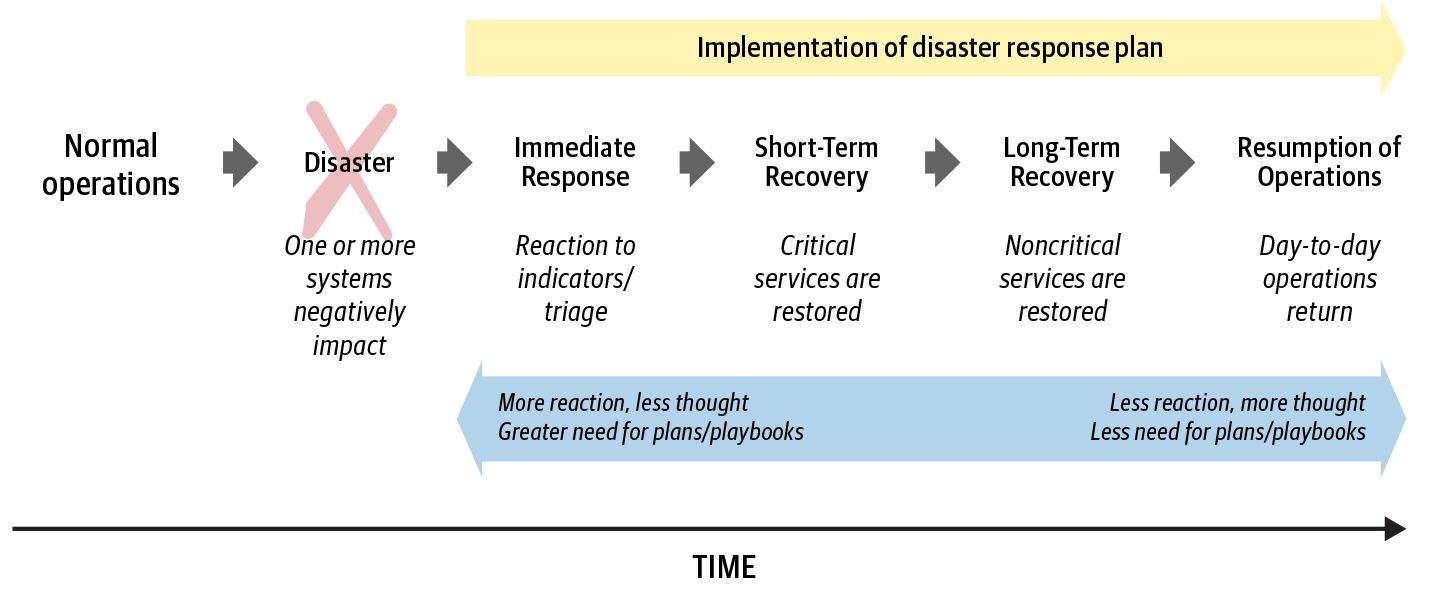
Disaster recovery refers to the process of restoring systems, data, and applications after a disaster has occurred. It involves using backup systems, disaster recovery services, and other technologies to quickly restore business operations.
Business continuity, on the other hand, refers to the ability of an organization to continue operating and delivering its services and products despite disruptions or disasters. It involves a holistic approach to managing risk, including planning, preparation, and response to disasters.
Benefits of Implementing a BCP
Implementing a BCP offers numerous benefits to organizations, including:
- Reduced downtime and losses
- Improved customer satisfaction and loyalty
- Increased business resilience and adaptability
- Enhanced reputation and brand protection
- Compliance with regulatory requirements and industry standards
By implementing a BCP, organizations can minimize the impact of disruptions and stay ahead of the competition.
Key Components of a BCP
A BCP typically involves several key components, including:
- Risk assessment and analysis: Identifying potential risks and vulnerabilities that could impact business operations.
- Business impact analysis: Assessing the impact of a disaster on business operations and identifying critical business processes.
- Strategy development: Developing strategies to mitigate risks and ensure business continuity.
- Procedure development: Developing procedures for responding to disasters and restoring business operations.
- Training and awareness: Training employees on BCP procedures and raising awareness about disaster recovery and business continuity.
BCP Development Process
Developing a BCP involves several steps, including:
- Identifying business critical assets and processes
- Assessing risks and vulnerabilities
- Developing strategies to mitigate risks
- Creating procedures for responding to disasters
- Conducting regular drills and exercises
BCP Maintenance and Review
BCPs require regular maintenance and review to ensure they remain effective and up-to-date. This involves:
- Conducting regular risk assessments and updates
- Reviewing and updating procedures and protocols
- Conducting training and awareness programs for employees
- Testing and evaluating the BCP regularly
Implementing a BCP
Implementing a BCP involves several steps, including:
- Identifying stakeholders and roles: Identifying key stakeholders and roles involved in the BCP process.
- Developing a BCP framework: Developing a BCP framework that outlines procedures and protocols for responding to disasters.
- Creating a BCP plan: Creating a BCP plan that outlines specific procedures and protocols for responding to disasters.
- Testing and evaluating the BCP: Testing and evaluating the BCP regularly to ensure it remains effective and up-to-date.
BCP Implementation Tools
BCPs can be implemented using a variety of tools, including:
- Disaster recovery software: Software designed to facilitate disaster recovery and business continuity planning.
- BCP templates: Pre-built templates that can be used to develop a BCP.
- BCP software: Software designed to support BCP development, implementation, and maintenance.
Best Practices for BCP Implementation
Implementing a BCP effectively requires careful planning and attention to detail. Here are some best practices to consider:
- Involve stakeholders: Involve key stakeholders and employees in the BCP development process.
- Develop a comprehensive plan: Develop a comprehensive BCP plan that outlines procedures and protocols for responding to disasters.
- Test and evaluate regularly: Test and evaluate the BCP regularly to ensure it remains effective and up-to-date.
- Maintain accurate records: Maintain accurate records of BCP activities, including testing and evaluation results.
Conclusion
Business Continuity Plans (BCPs) are essential for any business looking to mitigate the impact of disruptions and stay ahead of the competition. By implementing a BCP, organizations can ensure that their business operations continue uninterrupted, and their customers, employees, and stakeholders are protected. In this article, we have explored the importance of disaster recovery and business continuity, the benefits of implementing a BCP, and provided a comprehensive guide on how to develop and implement a successful BCP. By following the best practices and guidelines outlined in this article, organizations can ensure that their BCP is effective and helps them achieve business continuity and disaster recovery.
Recent Post
Unlocking The Secrets Of Menopause: Expert Insights On Navigating Life After 40 With Paolo Tantoco
Tensions Rise As Trump Officials Defend Tariffs Amid Market Volatility And Warnings For Savers And Retirees
Rosie O'Donnell Teases Trump Move, Posts Disruptive Selfie From Abroad
Wings For The Win: Capitals Edge Ducks 7-4 In Thrilling Matchup
Ducks Fall Short: Key Takeaways From Thrilling 7-4 Loss To Capitals
Article Recommendations
- Unveiling The Age Of Katiana Kay: Behind The Curtain Of A Rising Star
- Pamibaby: The Ultimate Guide To Pampering Your Little One
- Discover The Enchanting World Of Maligoshik: A Hidden Gem Awaits