The Iconic Faces of American History: Unveiling the Secrets Behind Presidential Portraits
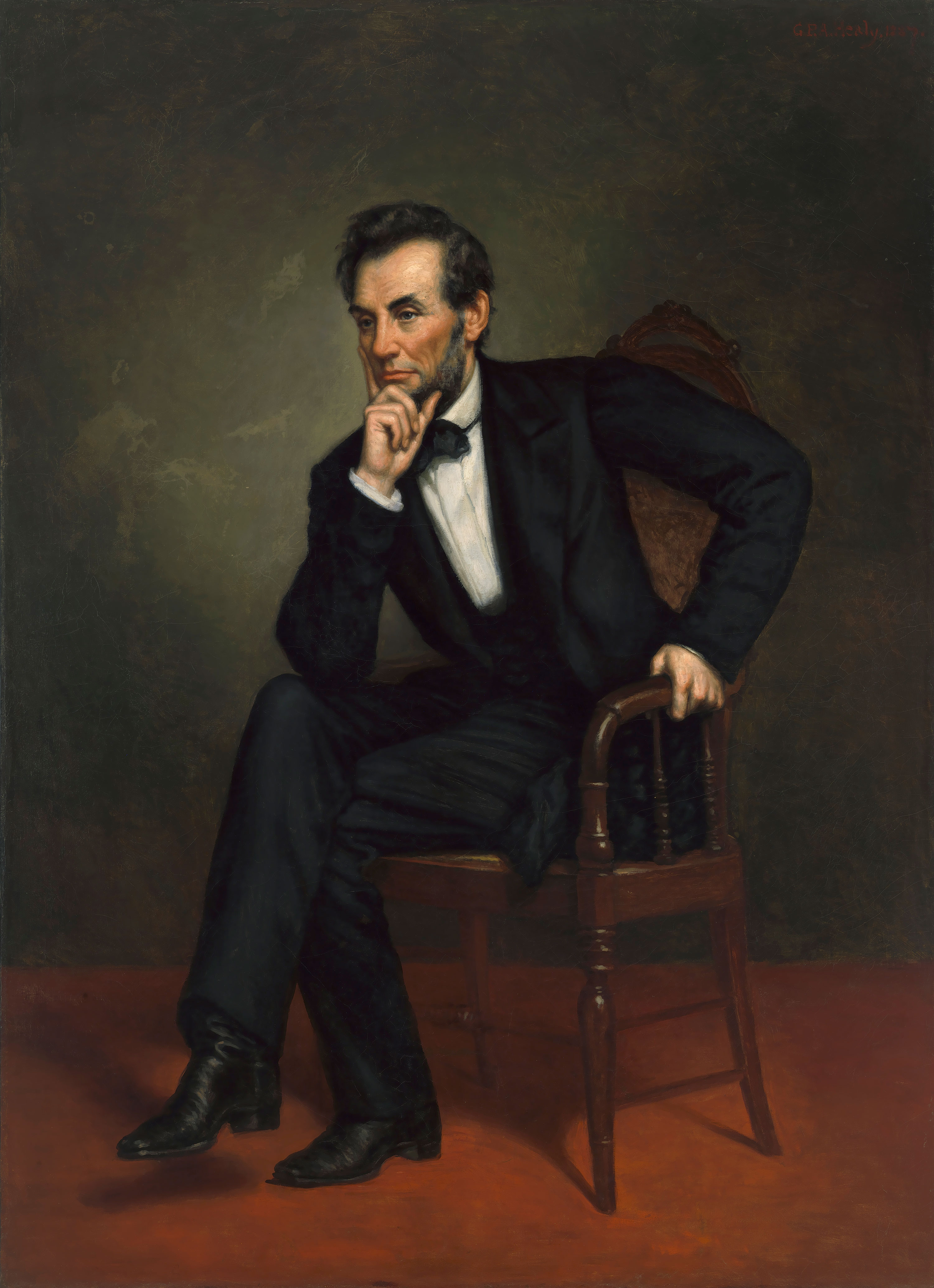
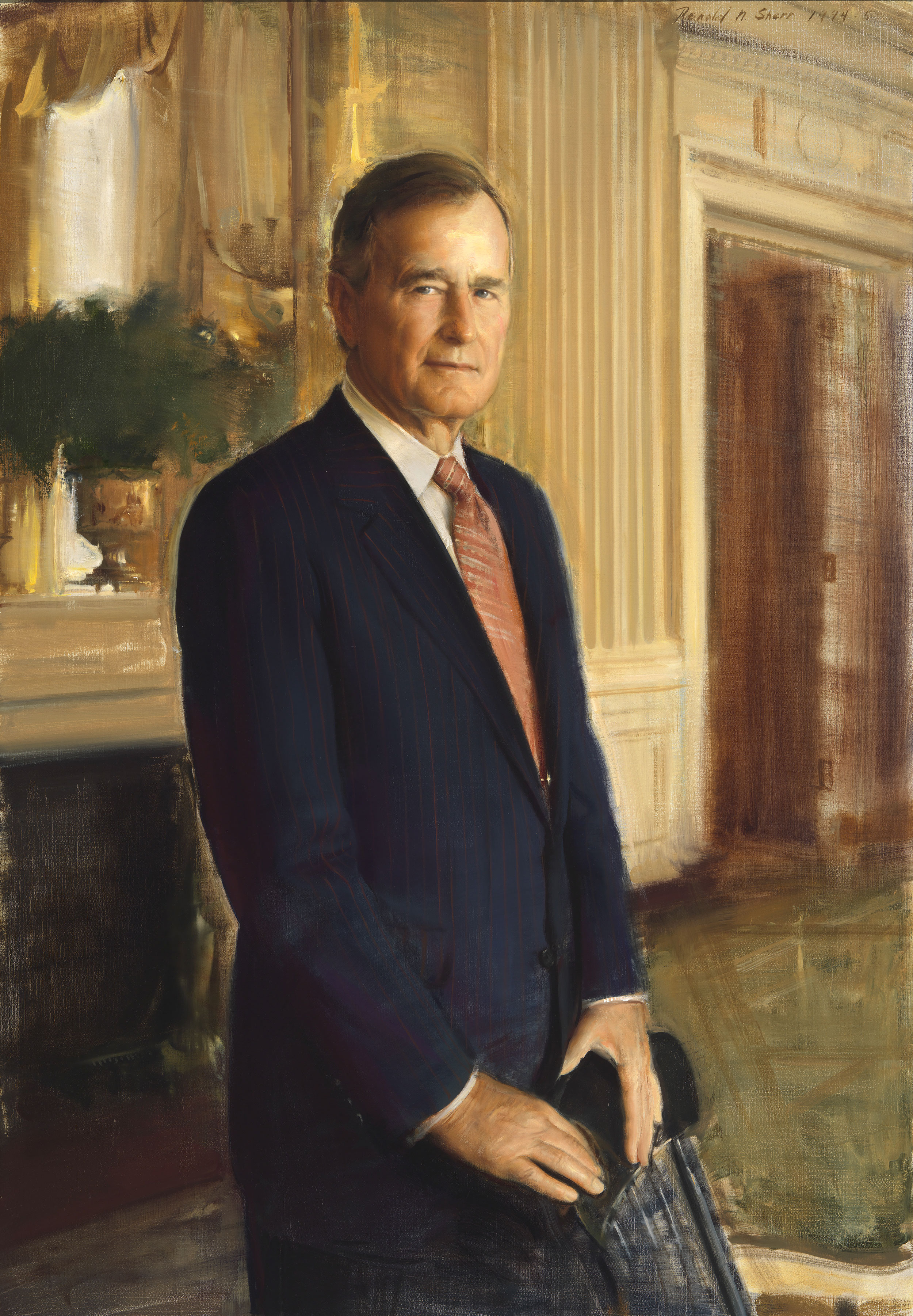
The presidential portraits that adorn the walls of the White House are more than just iconic images – they are a testament to the power of history and the art of portraiture. From George Washington's dignified expression to Donald Trump's...let's say, unique visage, these portraits have captivated the American public for centuries. But behind the canvas lies a world of intrigue, politics, and even controversy. In this article, we will delve into the secrets behind the presidential portraits, exploring the historical context, artistic techniques, and behind-the-scenes stories that make these images so enduringly fascinating.
Presidential portraits are more than just representations of the President's physical appearance; they are also a reflection of the nation's values, hopes, and fears. Each portrait is a product of its time, influenced by the social, cultural, and artistic currents of the era in which it was created. Whether it's the formal, stately poses of the 18th century or the more informal, photo-realistic portraits of the 20th century, each presidential portrait offers a unique window into the past.
The Art of Portraiture: A Brief History
The art of portraiture has a long and storied history, with depictions of famous figures appearing in ancient civilizations such as Egypt, Greece, and Rome. However, it was not until the 18th century that the modern concept of presidential portraiture began to take shape. This was an era of great change and upheaval in America, with the Revolution having recently ended and the young nation struggling to establish its identity. It was during this time that the first presidential portraits were commissioned, often as part of grand official ceremonies and state dinners.
The Artisans Behind the Portraits
The artists who created these portraits were often renowned for their skill and craftsmanship, drawing on a range of techniques and styles to capture the likeness of their subjects. Some, such as Gilbert Stuart, were known for their meticulous attention to detail, using methods such as layering and glazing to achieve an incredibly lifelike effect. Others, like Thomas Sully, were masters of the more formal, stately pose, using classical techniques to convey a sense of dignity and gravitas.
Key Factors Influencing Presidential Portraits
Several key factors have influenced the creation of presidential portraits over the years, including:
• The President's personality and character: Each President's unique personality and style has left its mark on their portrait, with some, like Theodore Roosevelt, being depicted as robust and energetic, while others, like George Washington, are shown as calm and dignified.
• The art historical context: The cultural and artistic currents of the era in which the portrait was created have played a significant role in shaping its style and composition.
• The commissioning process: The way in which the portrait was commissioned, and the relationships between the artist, the President, and the patron, have all had an impact on the final product.
Painting Presidential Portraits: A Time-Consuming Process
The process of painting a presidential portrait was often a time-consuming and labor-intensive one, requiring hours, even days, of careful planning and execution. The artist would typically begin by studying the President's features and personality, using these to inform their composition and color palette. The painting itself would then involve a range of techniques, from layering and glazing to texture and shading.
The Role of the Artist's Choices
The artist's choices played a crucial role in shaping the final portrait, with factors such as the medium, the subject's attire, and the background all contributing to the overall effect. For example, the use of color can convey a range of emotions and moods, while the subject's attire can reveal their social status and position within society.
The Evolution of Presidential Portraits Over Time
Over the centuries, presidential portraits have evolved significantly, reflecting changing societal values, artistic techniques, and the demands of the presidency. From the formal, stately poses of the 18th century to the more informal, photo-realistic portraits of the 20th century, each era has brought its own unique characteristics and styles to the table.
The Impact of Photography on Presidential Portraits
The advent of photography in the 19th century revolutionized the art of portraiture, allowing for more accurate and naturalistic representations of the President. However, this also led to a shift away from traditional painting techniques, as artists began to rely more heavily on photographic images to inform their work.
The Role of Modern Technology
In recent years, modern technology has continued to play a significant role in shaping presidential portraits, with advances in digital imaging and printing allowing for greater precision and accuracy. This has led to a more polished and refined final product, with many contemporary portraits featuring intricate details and textures that were previously impossible to achieve.
The Legacy of Presidential Portraits
Presidential portraits have played a significant role in shaping American history and culture, offering a unique window into the past and the nation's values and aspirations. From the dignified expression of George Washington to the more informal pose of Barack Obama, each portrait has its own unique character and charm.
The Iconic Status of Presidential Portraits
Presidential portraits have become iconic images in American culture, symbolizing the power and authority of the presidency. They are often reproduced and disseminated widely, appearing on everything from coins and currency to posters and t-shirts.
The Symbolism of Presidential Portraits
Presidential portraits are imbued with symbolism and meaning, conveying a range of values and ideas about the President and their role in society. For example, a portrait of a strong and confident leader might convey a sense of power and authority, while a more formal and stately portrait might suggest a sense of tradition and continuity.
Conclusion
The presidential portraits that adorn the walls of the White House
Recent Post
Unlocking The Secrets Of Menopause: Expert Insights On Navigating Life After 40 With Paolo Tantoco
Tensions Rise As Trump Officials Defend Tariffs Amid Market Volatility And Warnings For Savers And Retirees
Rosie O'Donnell Teases Trump Move, Posts Disruptive Selfie From Abroad
Wings For The Win: Capitals Edge Ducks 7-4 In Thrilling Matchup
Ducks Fall Short: Key Takeaways From Thrilling 7-4 Loss To Capitals
Article Recommendations
- Kaitlyn Krems: The Rise Of A TikTok Sensation And Her Devoted Fans
- Unveiling The Enigmatic Charm Of Mara Corday: From Hollywood Starlet To Mysterious Icon
- Unveiling The Towering Stature: The Extraordinary Height Of Lorne Greene