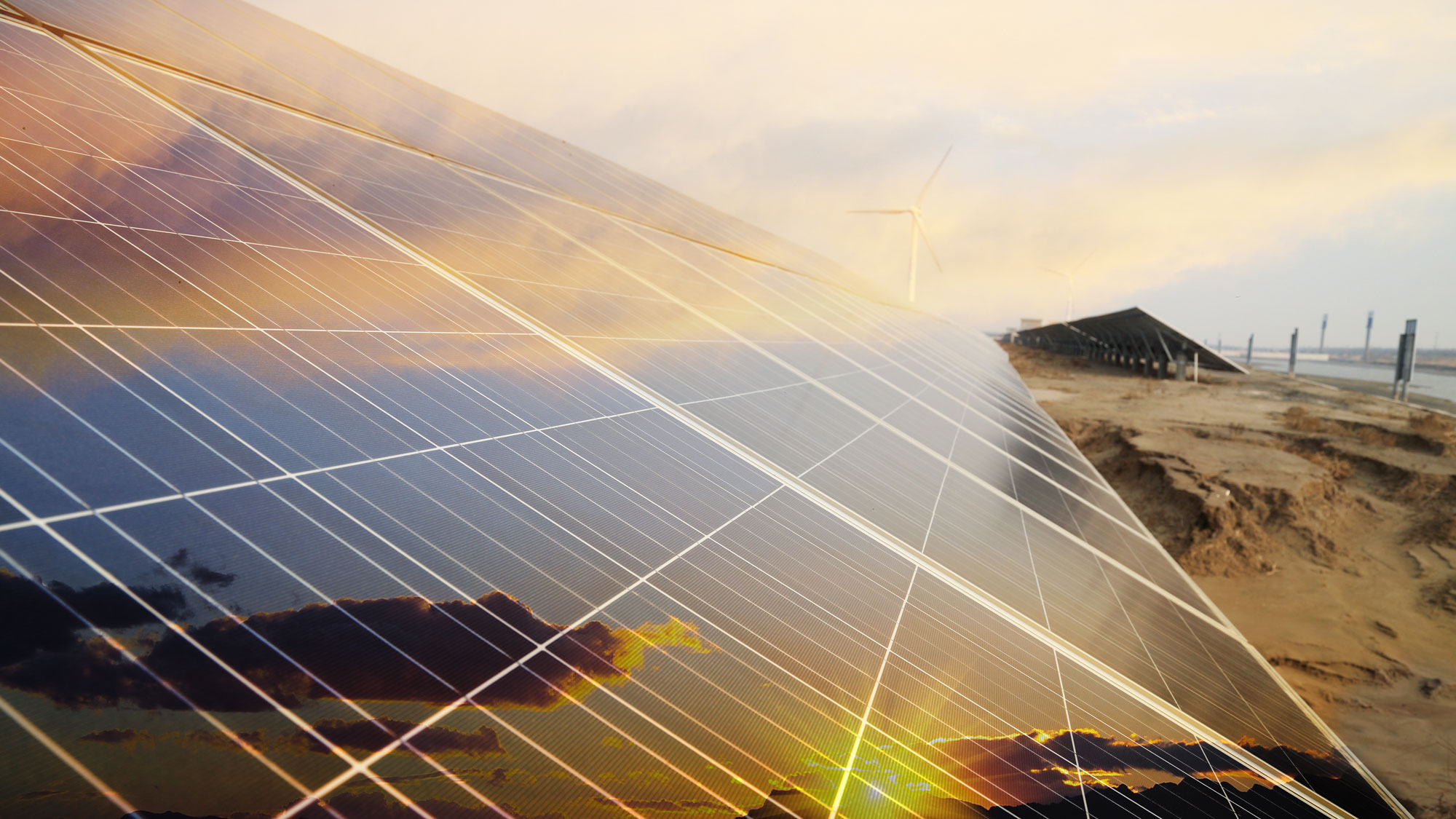
Unlock the Power of the Sun: Harnessing the Energy of Our Solar System
As we continue to grapple with the challenges of climate change, energy sustainability, and environmental degradation, it's becoming increasingly clear that we need to rethink our reliance on traditional energy sources. One promising solution is harnessing the power of the sun, the lifeblood of our solar system. From photovoltaic panels to solar thermal systems, the sun's energy is being harnessed in innovative ways to power our homes, our cars, and our industries. In this article, we'll delve into the world of solar energy, exploring its benefits, applications, and the latest technologies driving the transition to a sun-powered future.
The sun's energy is the driving force behind our planet's climate, weather patterns, and natural cycles. Without it, life as we know it wouldn't be possible. From the water that evaporates to form clouds, to the heat that drives global circulation patterns, the sun's energy is the foundation of our ecosystem. So, why not harness some of that energy for ourselves? With the sun shining brightly every day, there's no better time to explore the world of solar energy.
Benefits of Solar Energy
Solar energy offers a multitude of benefits, making it an attractive alternative to traditional fossil fuels. Some of the key advantages of solar energy include:
- Zero greenhouse gas emissions: Solar energy is a clean and renewable source of energy, producing no emissions or pollution that contribute to climate change.
- Abundant resource: The sun shines brightly every day, making solar energy an abundant and accessible resource.
- Low maintenance: Solar panels require minimal maintenance, with no fuel costs or infrastructure needed to generate energy.
- Energy independence: With solar energy, you can generate your own electricity and reduce your reliance on the grid.
Types of Solar Energy Systems
There are several types of solar energy systems, each designed to harness the sun's energy in a specific way. Some of the most common types of solar energy systems include:
Photovoltaic (PV) Systems
PV systems convert sunlight into electricity using photovoltaic cells. These cells are made from semiconducting materials that release electrons when exposed to sunlight, generating an electrical current.
- Advantages: PV systems are flexible, lightweight, and can be used in a variety of applications, from residential rooftops to commercial buildings.
- Disadvantages: PV systems are expensive, with high upfront costs, and may not be suitable for areas with low sunlight.
Solar Thermal Systems
Solar thermal systems use the sun's heat to generate energy. These systems use mirrors or lenses to focus sunlight onto a heat exchanger, producing steam that drives a turbine to generate electricity.
- Advantages: Solar thermal systems are highly efficient, with the potential to generate more energy per unit of surface area than PV systems.
- Disadvantages: Solar thermal systems require a significant amount of land and infrastructure, making them less suitable for small-scale applications.
Solar Energy Applications
Solar energy is being used in a wide range of applications, from powering homes and businesses to driving industrial processes and electric vehicles. Some of the most common solar energy applications include:
Residential Solar Energy
Residential solar energy systems are becoming increasingly popular, with many homeowners and businesses choosing to install solar panels on their rooftops or in their backyards.
- Advantages: Residential solar energy systems offer energy independence, reduced energy costs, and a clean source of energy.
- Disadvantages: Residential solar energy systems may require additional infrastructure, such as inverters and mounting systems, to ensure safe and efficient operation.
Commercial Solar Energy
Commercial solar energy systems are used to power large-scale industrial processes, including manufacturing, mining, and agriculture.
- Advantages: Commercial solar energy systems offer high energy savings, reduced energy costs, and a clean source of energy.
- Disadvantages: Commercial solar energy systems require significant upfront costs, infrastructure, and maintenance.
Solar Energy for Electric Vehicles
Solar energy is being used to power electric vehicles, reducing greenhouse gas emissions and dependence on fossil fuels.
- Advantages: Solar energy offers a clean and renewable source of energy for electric vehicles, reducing emissions and operating costs.
- Disadvantages: Solar energy can be intermittent, requiring additional energy storage or charging infrastructure to ensure reliable operation.
Solar Energy for Agriculture
Solar energy is being used to power agricultural processes, including irrigation, crop drying, and livestock cooling.
- Advantages: Solar energy offers a clean and renewable source of energy for agricultural processes, reducing energy costs and greenhouse gas emissions.
- Disadvantages: Solar energy can be intermittent, requiring additional energy storage or backup systems to ensure reliable operation.
Latest Solar Energy Technologies
The solar energy industry is rapidly evolving, with new technologies and innovations emerging regularly. Some of the latest solar energy technologies include:
Bifacial Solar Panels
Bifacial solar panels can generate electricity from both the front and back sides of the panel, increasing energy output by up to 25%.
- Advantages: Bifacial solar panels offer improved energy efficiency, reduced costs, and increased energy output.
- Disadvantages: Bifacial solar panels require specialized mounting systems and tracking systems to ensure optimal performance.
Concentrated Solar Power (CSP) Systems
CSP systems use mirrors or lenses to focus sunlight onto a heat exchanger, generating steam to drive a turbine and produce electricity.
- Advantages: CSP systems offer high energy efficiency, reduced costs, and increased energy output.
- Disadvantages: CSP systems require significant upfront costs, infrastructure, and maintenance.
Perovskite Solar Cells
Perovskite solar cells are a new type of solar cell that offers improved energy efficiency, reduced costs, and increased durability.
- Advantages: Perovskite solar cells offer improved energy efficiency, reduced costs, and increased durability.
- Disadvantages: Perovskite solar cells are still in the early
Recent Post
Unlocking The Secrets Of Menopause: Expert Insights On Navigating Life After 40 With Paolo Tantoco
Tensions Rise As Trump Officials Defend Tariffs Amid Market Volatility And Warnings For Savers And Retirees
Rosie O'Donnell Teases Trump Move, Posts Disruptive Selfie From Abroad
Wings For The Win: Capitals Edge Ducks 7-4 In Thrilling Matchup
Ducks Fall Short: Key Takeaways From Thrilling 7-4 Loss To Capitals
Article Recommendations
- Unleash The Sweet & Colorful World Of Jelly Beans: Exploring Flavors, Shapes, And Origins
- Unveiling The Extraordinary Journey Of Prichard Colón: A Triumphant Comeback After Tragedy
- Diddy: The Hip-Hop Mogul's Journey From The Bottom To The Top