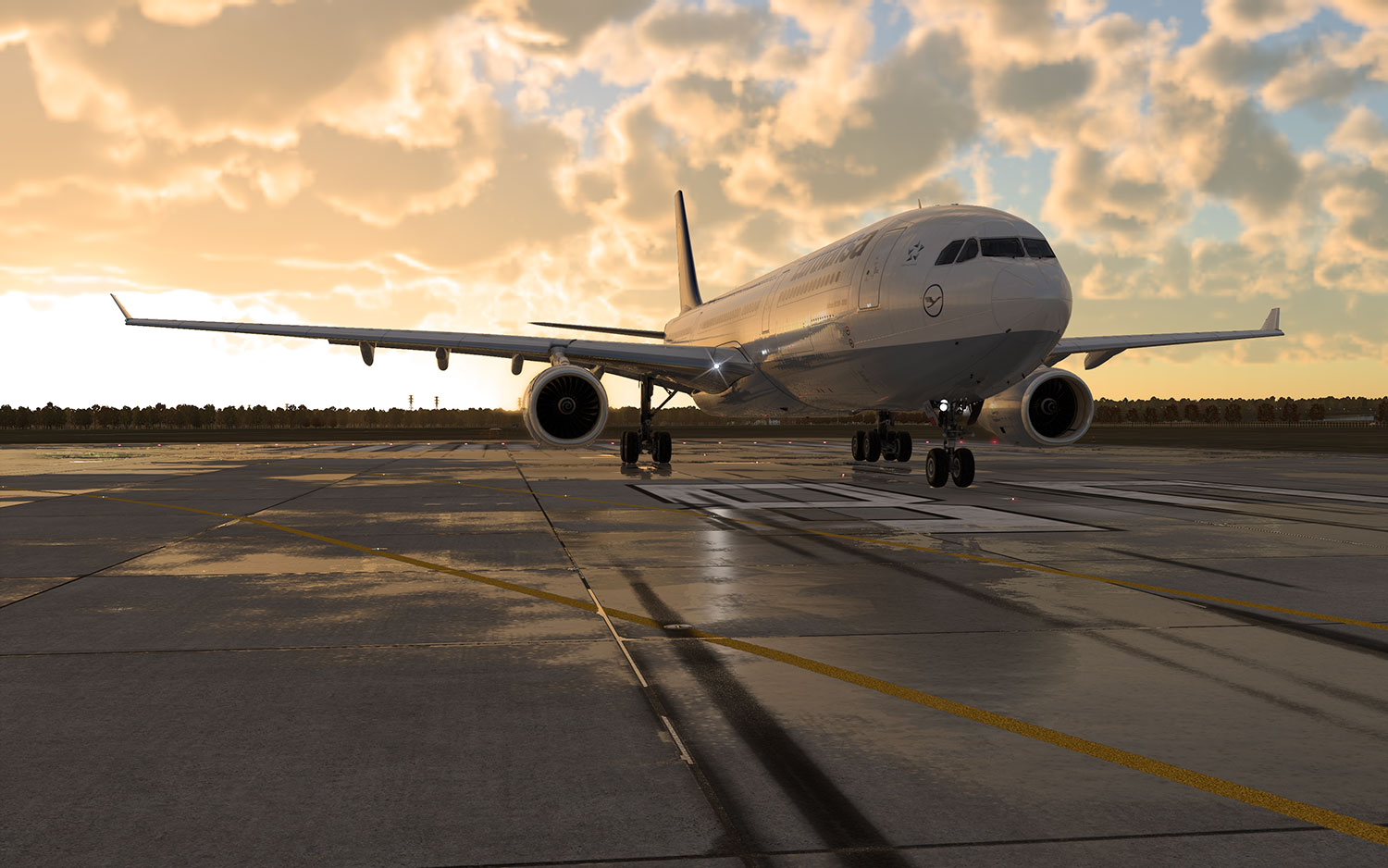
The Thrill of Flight: A Comprehensive Guide to Planes
Air travel has revolutionized the way we explore the world, allowing us to traverse vast distances in a matter of hours. The plane, or aircraft, is the vehicle that makes this possible. From its humble beginnings to the sophisticated machines of today, the plane has undergone a remarkable transformation over the years. In this article, we will delve into the world of planes, exploring their history, types, components, and the science behind flight.
The first powered, controlled, and sustained flight of an aircraft was made by the Wright brothers on December 17, 1903. Orville and Wilbur Wright designed, built, and tested the first successful airplane, the Wright Flyer, which was a biplane made of wood and fabric. The Wright brothers' achievement marked the beginning of a new era in aviation, and their design paved the way for the development of modern planes.
The early 20th century saw the introduction of monoplanes, which replaced the biplane design. The monoplane was lighter, more efficient, and easier to fly. The Douglas DC-3, introduced in 1935, was one of the first commercially successful airliners. It was a significant improvement over earlier aircraft, offering greater comfort, range, and speed.
Over the years, planes have evolved to meet the changing needs of the aviation industry. The development of jet engines in the 1950s revolutionized air travel, enabling planes to fly faster and farther than ever before. The Boeing 707, introduced in 1958, was the first commercial jet airliner, and it set the standard for future designs.
Types of Planes
There are several types of planes, each designed for specific purposes. Here are some of the main types of planes:
General Aviation
General aviation planes are designed for private flying, business, and recreational purposes. These planes are typically smaller and more maneuverable than commercial aircraft. The Cessna 172, Cessna 300, and Beechcraft Bonanza are popular general aviation planes.
Characteristics of General Aviation Planes
- Smaller size and lower wing loading
- Lighter weight and lower fuel consumption
- More maneuverable and easier to handle
- Generally less expensive to purchase and maintain
Commercial Airliners
Commercial airliners are designed to carry large numbers of passengers and cargo over long distances. These planes are typically larger and more powerful than general aviation planes. The Boeing 737, Airbus A320, and Boeing 777 are popular commercial airliners.
Characteristics of Commercial Airliners
- Larger size and higher wing loading
- Heavier weight and higher fuel consumption
- Less maneuverable and more difficult to handle
- Generally more expensive to purchase and maintain
Military Aircraft
Military aircraft are designed for military purposes, such as transportation, reconnaissance, and combat. These planes are typically larger and more powerful than commercial airliners. The F-16 Fighting Falcon, F-22 Raptor, and C-130 Hercules are popular military aircraft.
Characteristics of Military Aircraft
- Larger size and higher wing loading
- Heavier weight and higher fuel consumption
- More maneuverable and highly advanced avionics
- Generally more expensive to purchase and maintain
Components of a Plane
A plane consists of several key components, each playing a crucial role in its operation. Here are some of the main components of a plane:
Wing
The wing is the most critical component of a plane, responsible for generating lift and propelling the aircraft forward. The wing is designed to produce a smooth, continuous flow of air over its surface, which creates an area of lower air pressure above the wing and an area of higher air pressure below.
How the Wing Produces Lift
- The curved upper surface of the wing deflects air downward, creating a region of lower air pressure above the wing.
- The flat lower surface of the wing deflects air upward, creating a region of higher air pressure below the wing.
- The difference in air pressure between the upper and lower surfaces creates an upward force, or lift, that counteracts the weight of the plane.
Engine
The engine is responsible for generating the power needed to propel the plane forward. There are several types of engines used in planes, including piston engines, turbine engines, and jet engines.
How the Engine Works
- The engine uses fuel to generate combustion, which produces a high-pressure gas.
- The gas is then expelled through a turbine, which converts the energy into rotational energy.
- The rotational energy is transferred to a propeller or fan, which produces thrust.
Control Surfaces
Control surfaces are critical components of a plane, responsible for controlling its direction and attitude. The main control surfaces are the ailerons, elevators, and rudder.
How the Control Surfaces Work
- The ailerons control roll, or rotation around the longitudinal axis.
- The elevators control pitch, or rotation around the lateral axis.
- The rudder controls yaw, or rotation around the vertical axis.
Science Behind Flight
The science behind flight is complex and fascinating. It involves the interaction of several key factors, including lift, drag, thrust, and weight.
Lift
Lift is the upward force that opposes the weight of the plane. It is created by the wing, which deflects air downward, creating a region of lower air pressure above the wing.
The Four Forces of Flight
- Lift: the upward force that opposes weight
- Weight: the downward force that is the combined weight of the plane and its occupants
- Thrust: the forward force that propels the plane forward
- Drag: the backward force that opposes motion
Thrust
Thrust is the forward force that propels the plane forward. It is created by the engine
Recent Post
Unlocking The Secrets Of Menopause: Expert Insights On Navigating Life After 40 With Paolo Tantoco
Tensions Rise As Trump Officials Defend Tariffs Amid Market Volatility And Warnings For Savers And Retirees
Rosie O'Donnell Teases Trump Move, Posts Disruptive Selfie From Abroad
Wings For The Win: Capitals Edge Ducks 7-4 In Thrilling Matchup
Ducks Fall Short: Key Takeaways From Thrilling 7-4 Loss To Capitals
Article Recommendations
- Unveiling The Nationality Of Chaun Woo's Parents: A Detailed Investigation
- Unveiling The Enchanting World Of Chloandmatt: A Journey Into Love, Adventure, And Inspiration
- Discover+The+Joy+Of+Gifting%3A+Free+Crochet+Patterns+For+Loving+Aunties