The Polarized World of Congress: Understanding the Partisan Politics That Divide America
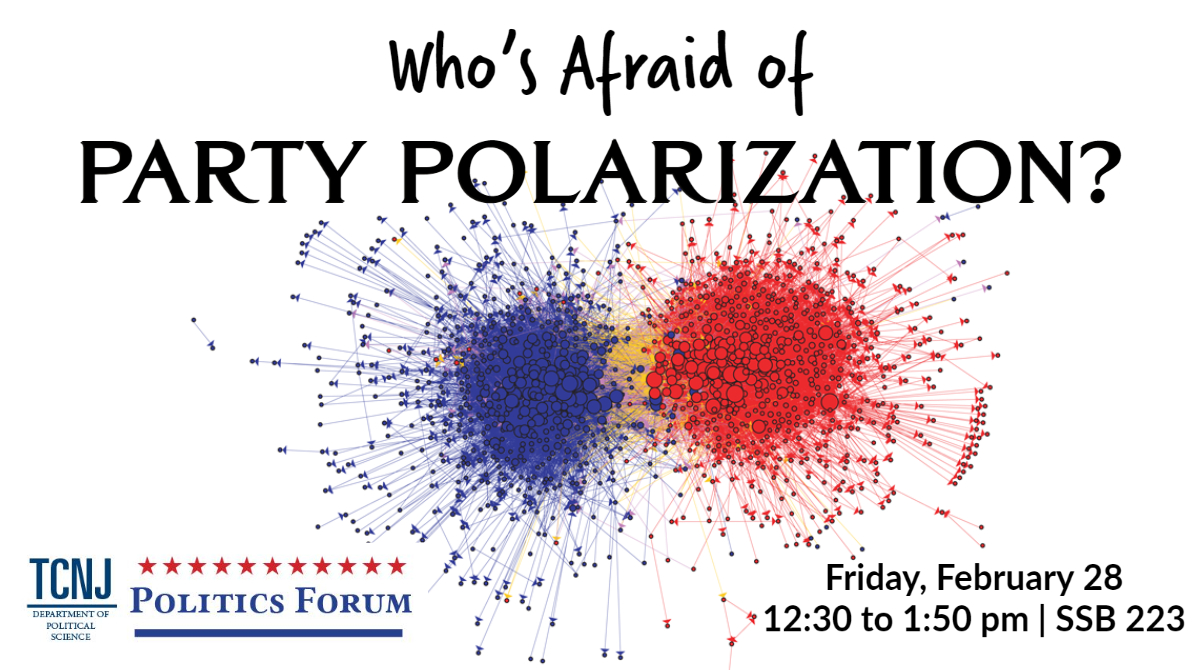
In recent years, the United States Congress has become increasingly polarized, with members of both parties sharply dividing over issues such as healthcare, taxes, and national security. This polarization has led to a significant breakdown in civility and cooperation, making it challenging for lawmakers to pass legislation and address the country's pressing problems. As the current political climate continues to be shaped by partisan politics, it is essential to understand the underlying causes of this phenomenon and its consequences for American democracy.
The partisan divide in Congress is not a new phenomenon, but it has intensified in recent years. A 2020 survey by the Pew Research Center found that 74% of Americans believe that the two-party system in the United States is becoming more extreme, while 63% believe that Congress is becoming more dysfunctional. These statistics underscore the gravity of the partisan polarization in Congress and its impact on the country's political system.
One of the primary causes of partisan polarization is the changing nature of the American electorate. As the country has become increasingly diverse, party affiliations have become more entrenched. According to a 2020 report by the Brookings Institution, the percentage of Americans identifying as Democrats or Republicans has increased significantly since the 1980s. This shift has led to a more ideologically driven party system, where lawmakers are less willing to compromise and work across party lines.
Another factor contributing to partisan polarization is the influence of money in politics. The Citizens United decision in 2010, which allowed unlimited corporate spending on campaign ads, has enabled wealthy donors to exert significant influence over the political process. This has led to a situation where lawmakers are beholden to their donors and are less willing to take risks or challenge the status quo. As a result, the political debate has become increasingly homogenized, with lawmakers and candidates forced to toe the party line in order to attract funding and support.
The effects of partisan polarization in Congress are far-reaching and multifaceted. One of the most significant consequences is the inability of lawmakers to pass meaningful legislation. With each party deeply entrenched in its ideological positions, compromise and cooperation are in short supply. This has led to a stagnation of policy innovation, as lawmakers are unable to address pressing issues such as climate change, healthcare reform, and economic inequality.
Furthermore, partisan polarization has eroded trust in institutions and democratic norms. A 2020 survey by the Gallup Organization found that 64% of Americans believe that government is no longer interested in working for the public interest. This erosion of trust has significant implications for American democracy, as it undermines the legitimacy of institutions and undermines the ability of citizens to participate in the democratic process.
The consequences of partisan polarization in Congress extend beyond the political realm to have significant social and economic implications. For example, the inability of lawmakers to pass comprehensive immigration reform has led to a humanitarian crisis, with thousands of undocumented immigrants facing deportation and detention. Similarly, the failure to address the opioid epidemic has resulted in thousands of deaths and widespread suffering.
The Key Players in Partisan Politics
Congressional Parties
The two main parties in the US Congress are the Democrats and the Republicans. While both parties have their strengths and weaknesses, they are fundamentally different in their ideological orientations.
- Democratic Party: The Democratic Party is generally associated with liberal or left-leaning policies. Democrats tend to support government intervention in the economy, social welfare programs, and environmental protection.
- Republican Party: The Republican Party is generally associated with conservative or right-leaning policies. Republicans tend to support limited government intervention, free market economics, and traditional social values.
Party Leaders
Party leaders play a crucial role in shaping the legislative agenda and promoting their party's interests. In recent years, the influence of party leaders has grown, with many lawmakers relying on their leaders to dictate their policy positions and voting decisions.
The Impact of Social Media on Partisan Politics
Social media has transformed the way politicians communicate with their constituents and opponents alike. While social media has enabled politicians to reach a wider audience and build a stronger connection with voters, it has also contributed to the polarization of American politics.
- Echo Chambers: Social media platforms have created echo chambers where people are only exposed to information that confirms their pre-existing views. This has led to a breakdown in constructive debate and dialogue, as lawmakers and citizens are less willing to engage with opposing viewpoints.
- Misinformation and Disinformation: Social media has also enabled the spread of misinformation and disinformation, which can have serious consequences for American democracy. The 2016 presidential election, for example, was marred by widespread disinformation and fake news, which contributed to the outcome of the election.
The Role of Special Interest Groups in Partisan Politics
Special interest groups have long played a significant role in shaping American politics. While they can provide valuable expertise and advocacy, they can also contribute to the polarization of American politics.
- Donations and Influence: Special interest groups can exert significant influence over lawmakers and politicians, through donations and lobbying efforts. This can lead to the prioritization of special interests over the public interest.
- Advocacy and Activism: Special interest groups can also play a critical role in promoting policy change and social justice. For example, environmental groups have advocated for climate action and conservation efforts, while advocacy groups have pushed for immigration reform and LGBTQ+ rights.
The Future of American Politics
As the US Congress continues to grapple with the challenges of partisan polarization, it is essential to consider the future of American politics. While the road ahead will be difficult, there are steps that can be taken to promote greater civic engagement, reduce partisanship, and foster a more inclusive and representative democracy.
- Civic Education and Engagement: Educating citizens about the democratic process and promoting civic engagement can help to increase trust in institutions and reduce partisanship.
- Campaign Finance Reform:
Recent Post
Unlocking The Secrets Of Menopause: Expert Insights On Navigating Life After 40 With Paolo Tantoco
Tensions Rise As Trump Officials Defend Tariffs Amid Market Volatility And Warnings For Savers And Retirees
Rosie O'Donnell Teases Trump Move, Posts Disruptive Selfie From Abroad
Wings For The Win: Capitals Edge Ducks 7-4 In Thrilling Matchup
Ducks Fall Short: Key Takeaways From Thrilling 7-4 Loss To Capitals
Article Recommendations
- Unveiling The Extraordinary Life And Legacy Of Melissa Ann Piavis
- Tony Hinchcliffe's Marital Status: Unveiled!
- Stranger Things: The Epic Return Of Billy Hargrove
/cdn.vox-cdn.com/uploads/chorus_asset/file/3636420/journal.pone.0123507.g002.0.PNG)