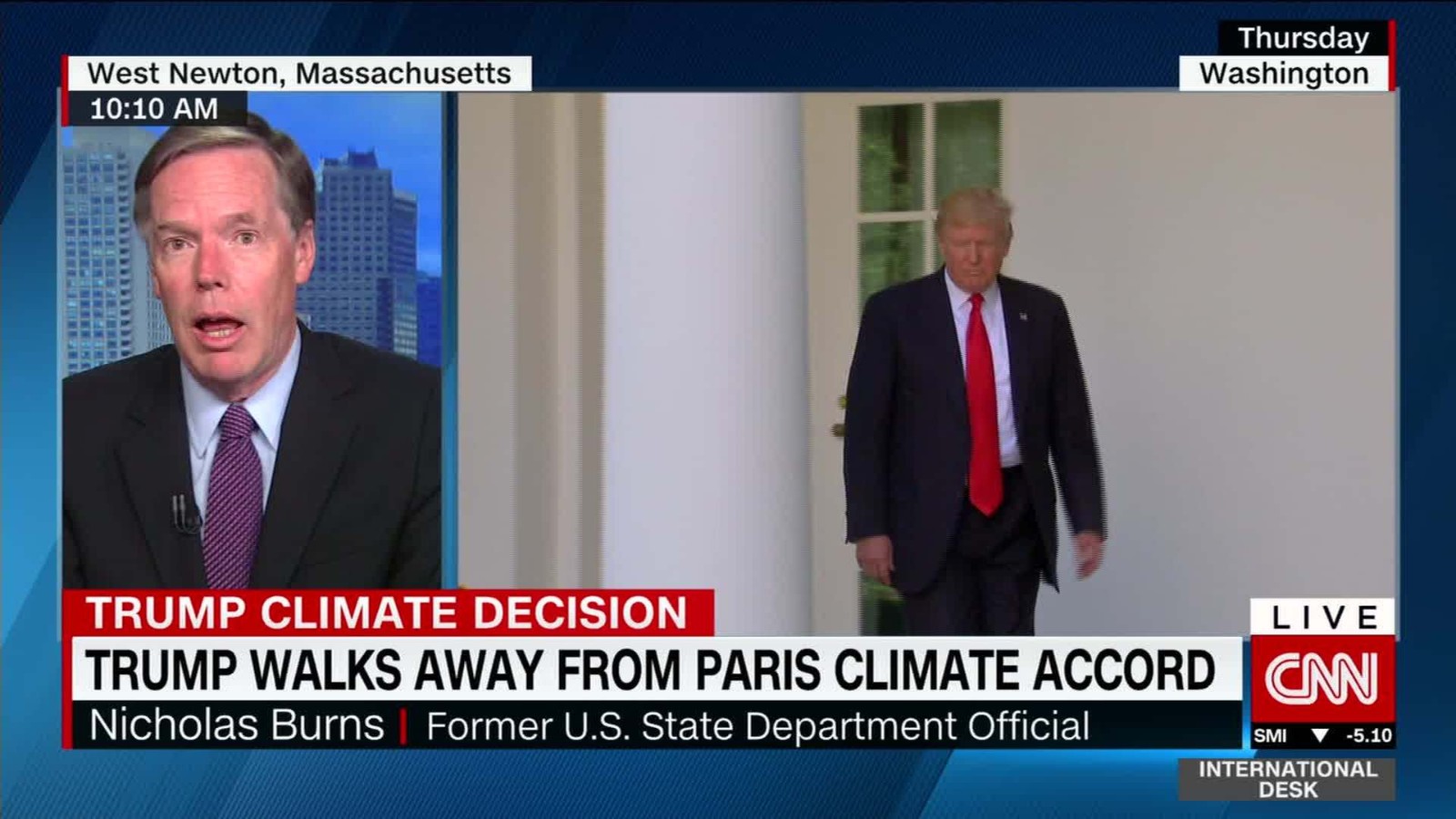
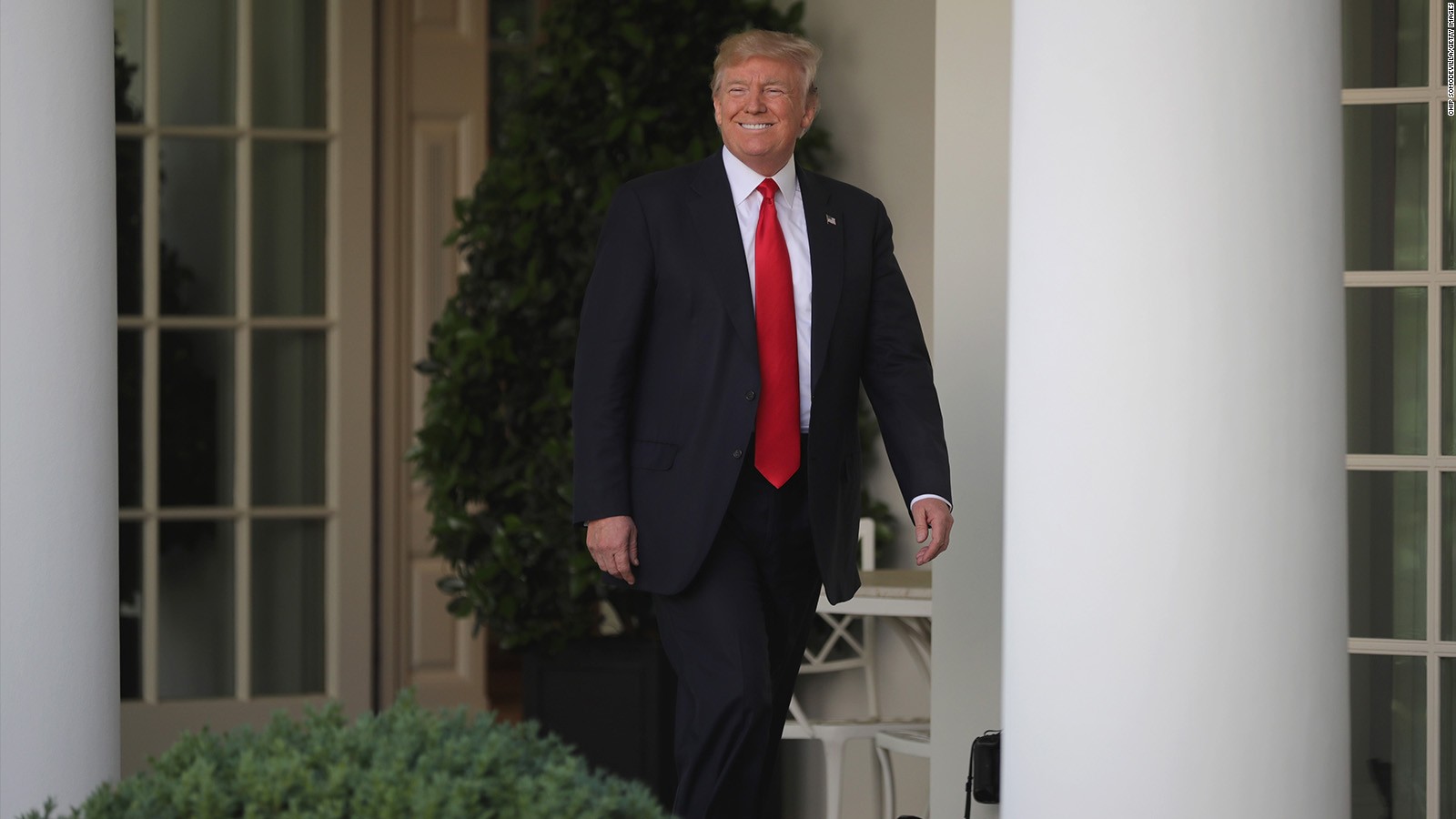
The Trump Administration's Paris Accord Exit: A Turning Point for Global Climate Policy
The exit of the United States from the Paris Accord has sent shockwaves throughout the global community, sparking intense debate and concern about the long-term implications for the environment, economy, and international relations. The move, announced by President Donald Trump in June 2017, marked a significant shift in the country's climate policy, sending a signal that the US was no longer committed to reducing greenhouse gas emissions and meeting the targets set by the accord.
As the world grapples with the consequences of this decision, it's essential to examine the motivations behind the Trump administration's actions and the potential consequences of their departure from the Paris Accord. In this article, we'll delve into the history of the Paris Accord, the reasons behind the US exit, and the reactions of global leaders and experts.
Understanding the Paris Accord
The Paris Accord, officially known as the Paris Agreement, was adopted by 196 parties at the 21st Conference of the Parties (COP 21) in Paris in December 2015. The agreement set a universal goal to limit global warming to well below 2°C and pursue efforts to limit it to 1.5°C above pre-industrial levels. The accord also established a framework for countries to reduce their greenhouse gas emissions and provide financial support to developing nations to adapt to the impacts of climate change.
Key Provisions of the Paris Accord
• A binding framework for reducing greenhouse gas emissions
• A goal to limit global warming to well below 2°C
• A mechanism for countries to share knowledge, technologies, and financial resources
• A call for countries to increase their ambition to reduce emissions
• A provision for countries to provide financial support to developing nations
The Reasons Behind the US Exit
The Trump administration's decision to exit the Paris Accord was met with surprise and criticism from many quarters. The reasons behind this decision are multifaceted and complex, but some of the key factors include:
Economic Interests
• The US coal industry, which has been heavily impacted by the shift towards renewable energy, saw the Paris Accord as a threat to its livelihoods
• The Trump administration believed that the Paris Accord's climate targets and regulations would harm the US economy and lead to job losses
• The US was concerned that the accord's focus on reducing emissions would lead to a loss of competitiveness in the global market
Environmental Concerns
• The Trump administration was skeptical about the scientific consensus on human-caused climate change
• The US had already reduced its greenhouse gas emissions under the Clean Power Plan, and the administration felt that the Paris Accord was not achieving its goals
• Some critics argued that the Paris Accord's approach to addressing climate change was too weak and would not lead to sufficient reductions in emissions
The Reactions of Global Leaders and Experts
The reactions to the US exit from the Paris Accord have been swift and varied. Many world leaders and experts have condemned the decision, citing the potential consequences for the environment, economy, and international relations.
International Criticism
• Many countries, including Canada, the European Union, and Australia, have expressed disappointment and concern about the US exit
• The European Union has called for the US to reconsider its decision, citing the potential consequences for the global economy
• China has taken a more neutral stance, but has hinted that it may revisit its own climate commitments in response to the US withdrawal
Expert Analysis
• Many climate experts argue that the US exit from the Paris Accord is a reckless gamble that will have severe consequences for the environment and global security
• Some experts have pointed out that the Paris Accord was designed to be a long-term agreement, and that the US exit sets back global efforts to address climate change by several years
• Others have argued that the US can still achieve its climate goals through domestic policy and international cooperation, even without the Paris Accord
The Impact on US Climate Policy
The US exit from the Paris Accord has significant implications for US climate policy, both domestically and internationally.
Domestic Policy
• The Clean Power Plan, a key part of the Obama administration's climate policy, is no longer in effect
• The Trump administration has proposed rolling back other climate regulations, including those related to fuel efficiency and greenhouse gas emissions
• The US has also withdrawn from the Paris Accord's clean energy and energy efficiency programs
International Policy
• The US is no longer part of the Paris Accord's climate finance program, which aims to provide support to developing nations
• The US is also no longer participating in the accord's technology transfer program, which facilitates the sharing of clean energy technologies
• The US exit has also led to a re-evaluation of its relationship with other countries on climate issues, including trade and diplomatic relationships
The Way Forward
As the world grapples with the consequences of the US exit from the Paris Accord, it's clear that there is still much work to be done to address the challenges of climate change. In this article, we've explored the history of the Paris Accord, the reasons behind the US exit, and the reactions of global leaders and experts.
A Call to Action
• The international community must come together to address the challenges of climate change
• Developed countries must provide financial support to developing nations to help them adapt to the impacts of climate change
• We must prioritize climate action and take immediate steps to reduce greenhouse gas emissions and transition to a low-carbon economy
• The US must reconsider its decision to exit the Paris Accord and re-engage with the global community on climate issues
• We must prioritize domestic climate policy and take steps to reduce greenhouse gas emissions and promote clean energy development
• The world needs a new approach to addressing climate change, one that prioritizes cooperation, coordination, and collective action. The US exit from the Paris Accord has shown us that this approach is more necessary than ever.
Recent Post
Unlocking The Secrets Of Menopause: Expert Insights On Navigating Life After 40 With Paolo Tantoco
Tensions Rise As Trump Officials Defend Tariffs Amid Market Volatility And Warnings For Savers And Retirees
Rosie O'Donnell Teases Trump Move, Posts Disruptive Selfie From Abroad
Wings For The Win: Capitals Edge Ducks 7-4 In Thrilling Matchup
Ducks Fall Short: Key Takeaways From Thrilling 7-4 Loss To Capitals
Article Recommendations
- Discover The Enchanting World Of Yumieto: A Culinary Journey Through Exquisite Japanese Cuisine
- NASCAR Legend Dale Jarrett: A Retrospective Of His Unforgettable Career
- Unleash Your SEO Dominance With The Ultimate Competitor Tracker