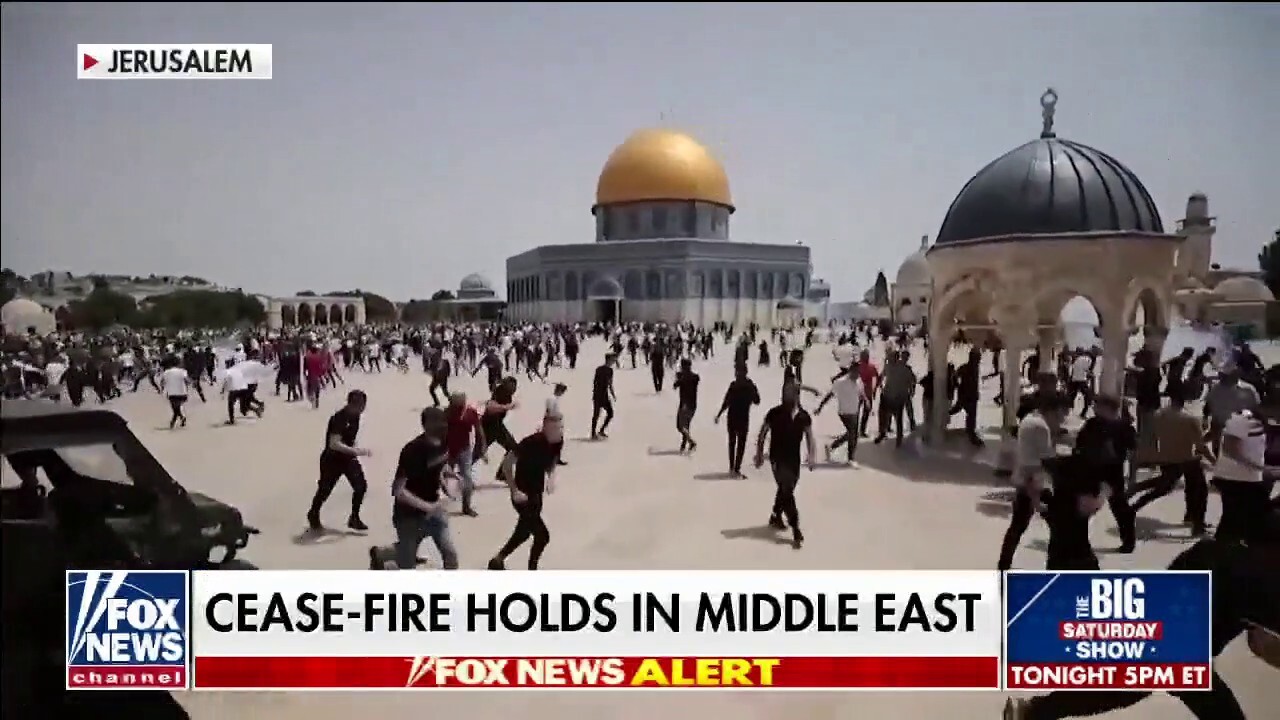
Breaking the Cycle of Violence: A Call for Ceasefire in the Middle East
The Middle East, a region rich in history, culture, and natural resources, has been plagued by conflict and violence for decades. The ongoing wars in Syria, Yemen, and Gaza, as well as the persistent tensions between Israel and Palestine, have created a dire need for peace and stability in the region. As the world watches, it is imperative that we take a stand and demand a ceasefire in the Middle East. The time has come to put an end to the cycle of violence and work towards a more peaceful future for all.
The root causes of the Middle East conflict are complex and multifaceted. However, at the core of it all is a deep-seated dispute over land, resources, and identity. The Israeli-Palestinian conflict, in particular, has been ongoing for generations, with both sides claiming a right to the same land. The recent escalation of violence in Gaza and the ongoing occupation of Palestinian territories have only exacerbated the situation, leading to widespread suffering and displacement.
To achieve a lasting peace, it is essential that we address the underlying issues driving the conflict. This requires a comprehensive approach that includes diplomatic efforts, economic development, and social justice. We must work together to create a framework for dialogue and negotiations that allows both sides to express their concerns and work towards a mutually acceptable solution.
International Response
The international community has a critical role to play in promoting peace and stability in the Middle East. The United Nations, in particular, has a responsibility to act as a mediator and advocate for a peaceful resolution to the conflict.
• The UN has been involved in peace negotiations between Israel and Palestine for decades, but progress has been slow and incomplete.
• The UN's two-state solution, which calls for the creation of an independent Palestinian state alongside the State of Israel, remains the most widely accepted framework for peace.
• However, the recent developments in Gaza and the ongoing settlement expansion in the West Bank have raised concerns about the viability of this solution.
Economic Development
Economic development is critical to addressing the underlying causes of the conflict in the Middle East. By investing in infrastructure, education, and healthcare, we can create a more stable and prosperous region that is better equipped to manage its resources and challenges.
• The Middle East is home to some of the world's most valuable natural resources, including oil, gas, and water.
• However, the region's economies are often hindered by corruption, mismanagement, and inadequate governance.
• By promoting economic development and good governance, we can reduce poverty, inequality, and conflict in the region.
Social Justice
Social justice is another critical aspect of addressing the conflict in the Middle East. By promoting human rights, social equality, and justice, we can create a more inclusive and tolerant society that is better equipped to manage its differences.
• The Middle East is home to some of the world's most diverse and vibrant cultures, with a rich history of tolerance and coexistence.
• However, the region has also experienced periods of extreme intolerance and violence, particularly towards minority groups such as Christians, Jews, and Shia Muslims.
• By promoting social justice and human rights, we can create a more inclusive and tolerant society that values diversity and promotes coexistence.
The Way Forward
Achieving a lasting peace in the Middle East will require a comprehensive approach that addresses the underlying causes of the conflict. This will involve diplomatic efforts, economic development, social justice, and international cooperation.
The Role of the United States
The United States has a critical role to play in promoting peace and stability in the Middle East. As a major world power, the US has the leverage and influence to bring both sides to the negotiating table and push for a comprehensive peace agreement.
The Role of the European Union
The European Union also has a critical role to play in promoting peace and stability in the Middle East. As a major economic power, the EU has the resources and influence to support economic development and good governance in the region.
The Role of Civil Society
Civil society organizations and individuals have a critical role to play in promoting peace and stability in the Middle East. By working together and using their unique skills and expertise, we can create a more peaceful and just society.
Conclusion
The Middle East conflict is a complex and multifaceted issue that requires a comprehensive approach to address. By working together, we can promote peace and stability in the region and create a more just and equitable society for all. It is time for us to take a stand and demand a ceasefire in the Middle East.
Key Takeaways
• The Middle East conflict is driven by complex and multifaceted issues, including land, resources, and identity.
• A comprehensive approach is required to address the underlying causes of the conflict.
• Diplomatic efforts, economic development, social justice, and international cooperation are critical to achieving a lasting peace.
• The international community, including the United Nations, the European Union, and the United States, has a critical role to play in promoting peace and stability in the region.
• Civil society organizations and individuals have a critical role to play in promoting peace and stability in the Middle East.
Further Reading
• The United Nations Office for the Coordination of Humanitarian Affairs (OCHA) provides a comprehensive overview of the humanitarian situation in the Middle East.
• The Brookings Institution has published a series of reports on the economic and social implications of the Middle East conflict.
• The International Crisis Group has published a report on the role of civil society in promoting peace and stability in the Middle East.
Related Topics
• The Israeli-Palestinian conflict
• The Syrian civil war
• The Yemen conflict
• The Gaza Strip
• The Middle East peace process
Recent Post
Unlocking The Secrets Of Menopause: Expert Insights On Navigating Life After 40 With Paolo Tantoco
Tensions Rise As Trump Officials Defend Tariffs Amid Market Volatility And Warnings For Savers And Retirees
Rosie O'Donnell Teases Trump Move, Posts Disruptive Selfie From Abroad
Wings For The Win: Capitals Edge Ducks 7-4 In Thrilling Matchup
Ducks Fall Short: Key Takeaways From Thrilling 7-4 Loss To Capitals
Article Recommendations
- Unveiling The Towering Stature: The Extraordinary Height Of Lorne Greene
- Discover The Rising Star Of C-Drama: Zhao Lusi's Charismatic Performances
- Unveiling The Enchanting Life And Career Of Joan Van Ark


