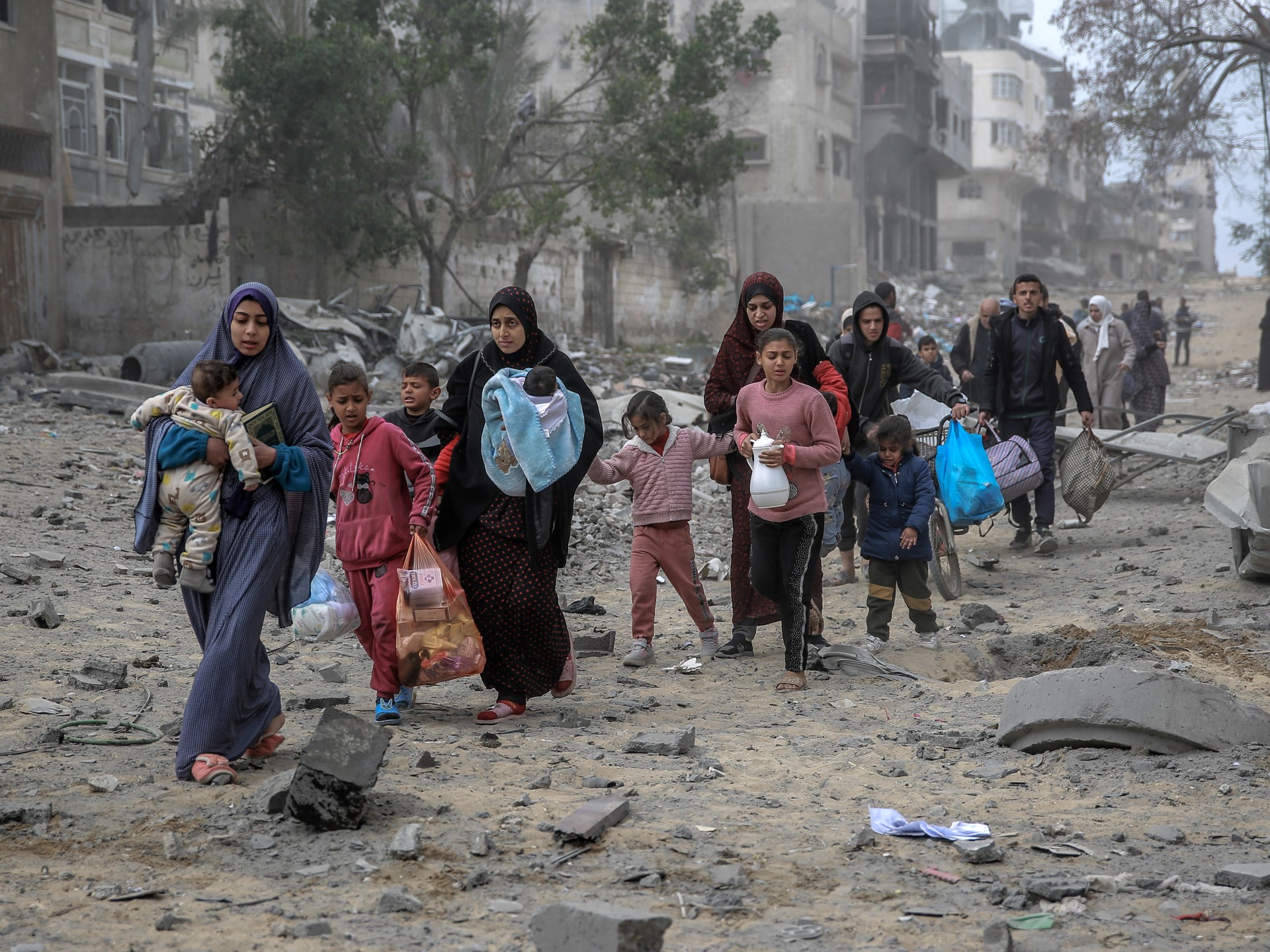
Palestine Ceasefire: A Beacon of Hope Amidst the Conflict
The Gaza Strip and the West Bank have been embroiled in a longstanding conflict for decades, with periods of relative calm punctuated by bursts of violence. The latest ceasefire, brokered by Egypt and mediated by the United States, has brought a sense of hope to the already beleaguered Palestinian territories. As the world watches and waits, hopes are high that this ceasefire will mark a turning point in the conflict, one that will bring an end to the suffering and bloodshed that has plagued the region for so long.
For decades, the Israeli-Palestinian conflict has been a focal point of international attention, with millions of people around the world following the developments with bated breath. The conflict has been fueled by a complex mix of historical, cultural, and political factors, including the displacement of Palestinians from their homes, the construction of Israeli settlements, and the ongoing struggle for Palestinian statehood. Despite the many efforts to broker a peace agreement, the conflict has remained unresolved, with periodic outbreaks of violence that have left countless civilians dead or injured.
The current ceasefire, which began on August 1, has brought a welcome lull to the fighting, with both sides agreeing to a fragile and tenuous agreement to cease hostilities. The ceasefire has been hailed as a major breakthrough, one that offers a glimmer of hope that the conflict may finally be coming to an end. However, many experts warn that the road ahead will be fraught with challenges, and that the ceasefire may be short-lived if it is not accompanied by meaningful concessions and commitments from both sides.
Understanding the Background of the Conflict
To understand the complexities of the conflict, it is essential to delve into the historical background of the Israeli-Palestinian conflict. The conflict has its roots in the late 19th century, when Zionist Jews began to immigrate to Palestine, then under Ottoman rule, in search of a homeland. Following World War I, the British took control of the territory and, in 1917, issued the Balfour Declaration, which expressed support for the establishment of a Jewish homeland in Palestine.
However, this promise was not universally accepted, and many Arabs in the region saw the declaration as a threat to their own rights and claims to the land. In 1948, Israel declared independence, leading to the displacement of hundreds of thousands of Palestinians, known as the Nakba or "catastrophe" in Arabic. This event set the stage for the ongoing conflict, which has been marked by periodic outbreaks of violence and failed attempts at peace negotiations.
Key Players in the Conflict
The Israeli-Palestinian conflict is a complex and multifaceted issue, involving a range of key players and stakeholders. Some of the most significant players include:
- Israel: The Israeli government has long been seen as the main obstacle to a two-state solution, with many critics arguing that it has failed to make sufficient concessions to the Palestinian people.
- Hamas: The Islamist group has been designated as a terrorist organization by many countries, including the United States and the European Union. However, it has also been recognized by some as a legitimate representative of the Palestinian people.
- Fatah: The dominant faction of the Palestine Liberation Organization (PLO), Fatah has long been seen as a key player in the peace process. However, its relationship with Hamas has been strained in recent years.
- Egypt: Egypt has played a key role in mediating the ceasefire, with its president, Abdel Fattah el-Sisi, hosting a summit with Israeli Prime Minister Benjamin Netanyahu and Palestinian President Mahmoud Abbas.
Ceasefire Negotiations: A Complex Process
The ceasefire negotiations have been a complex and delicate process, involving a range of technical and diplomatic challenges. Some of the key issues that have been at the center of the negotiations include:
- Border control: One of the major sticking points has been the issue of border control, with Israel demanding strict security measures to prevent Palestinian militants from launching attacks.
- Settlements: The construction of Israeli settlements in the West Bank has been a major source of contention, with many Palestinians and international observers viewing it as an obstacle to a two-state solution.
- Jerusalem: The status of Jerusalem, which is considered holy by both Jews and Muslims, has been a major point of contention, with both sides claiming it as their capital.
Key Terms and Concepts
- Self-determination: The right of the Palestinian people to determine their own future and destiny.
- Two-state solution: A solution to the conflict that involves the establishment of an independent Palestinian state alongside the state of Israel.
- Occupation: The situation in which one country occupies the territory of another, in this case, the West Bank and Gaza Strip.
- Refugees: People who have been displaced from their homes as a result of the conflict, many of whom are still living in refugee camps in Gaza and the West Bank.
The Impact of the Ceasefire
The ceasefire has had a significant impact on the people of Gaza and the West Bank, who have been living under the threat of violence for decades. Some of the key benefits of the ceasefire include:
- Reduced violence: The ceasefire has brought a welcome reduction in violence, with both sides agreeing to a fragile and tenuous agreement to cease hostilities.
- Improved living conditions: The ceasefire has also led to an improvement in living conditions, with aid agencies and international organizations able to provide essential services such as food, water, and healthcare to those in need.
- Hope for the future: For many Palestinians, the ceasefire offers a glimmer of hope that the conflict may finally be coming to an end, and that a better future may be within reach.
However, the ceasefire has also been criticized for its limitations, with many arguing that it does not go far enough to address the underlying issues driving the conflict. Some of the key criticisms include
Recent Post
Unlocking The Secrets Of Menopause: Expert Insights On Navigating Life After 40 With Paolo Tantoco
Tensions Rise As Trump Officials Defend Tariffs Amid Market Volatility And Warnings For Savers And Retirees
Rosie O'Donnell Teases Trump Move, Posts Disruptive Selfie From Abroad
Wings For The Win: Capitals Edge Ducks 7-4 In Thrilling Matchup
Ducks Fall Short: Key Takeaways From Thrilling 7-4 Loss To Capitals
Article Recommendations
- Meet Janice Nichole Rivera: Social Media Marketing Trailblazer And Thought Leader
- Da Vine Joy Randolph Transforms Her Body With Inspirational Weight Loss Journey
- Unveiling The Tragic Fate Of Hisashi Ouchi: The Real Story Behind The Horrific Nuclear Accident